Three Stages of Success
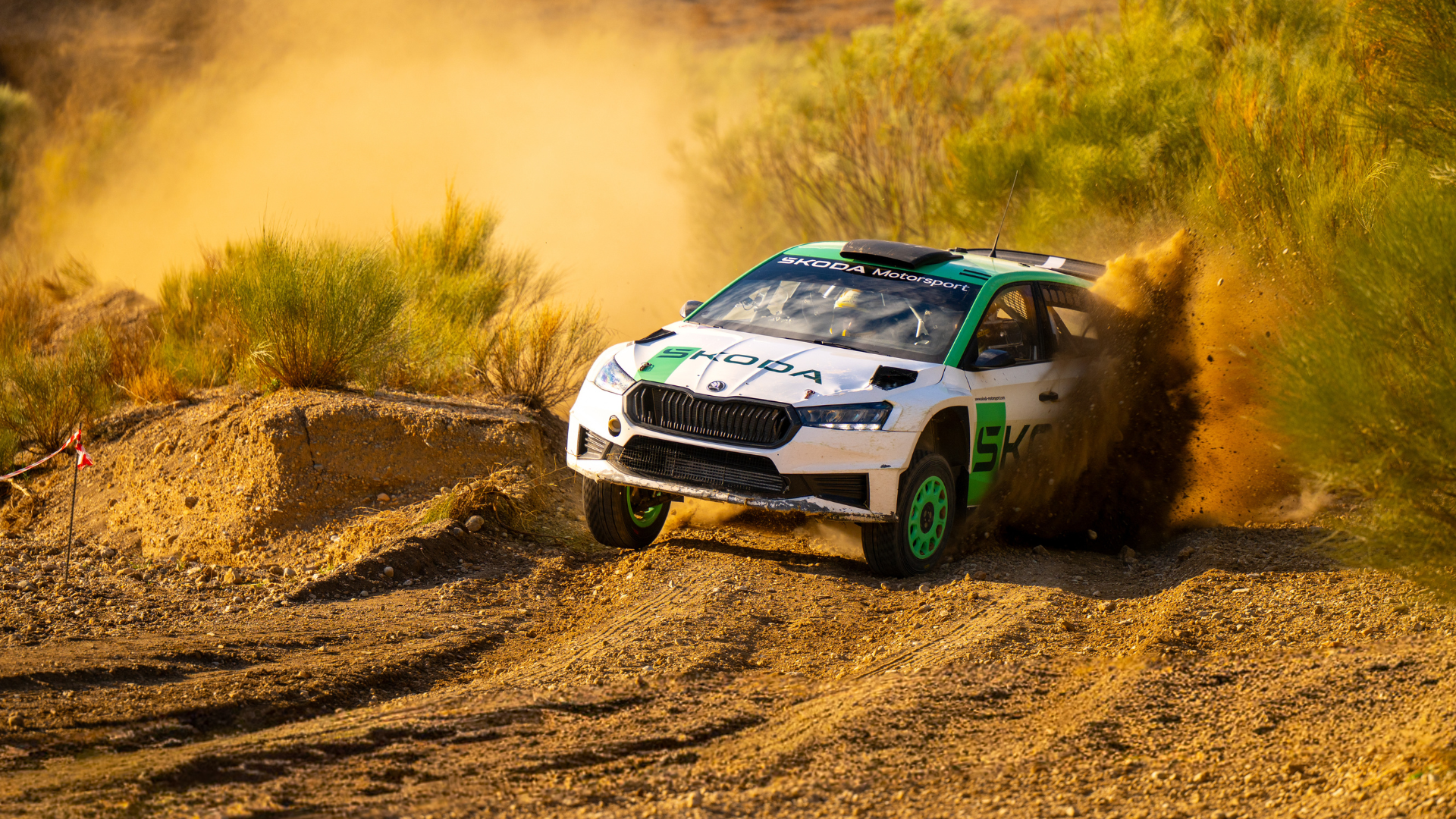
The Škoda Fabia RS Rally2 builds upon the proven development philosophy of its predecessors. Its testing programme can be divided into several stages. The first is the vehicle development phase, during which new components are validated and their functionality and performance optimised. This stage typically lasts approximately one and a half years and is critically important, as it culminates in the vehicle specification submitted for homologation by the Fédération Internationale de l’Automobile (FIA). The objective is to homologate a thoroughly tested and solid base package that performs reliably under all possible conditions. For this reason, even at this early stage, the Fabia RS Rally2 was tested at 14 locations across Europe, including specific climatic and aerodynamic tests. During this phase, some development prototypes covered more than 10,000 competitive kilometres, equivalent to the distance of 28 FIA World Rally Championship events. However, successful homologation by no means marks the end of development. Continuous development testing follows, focusing on the ongoing improvement of the car.
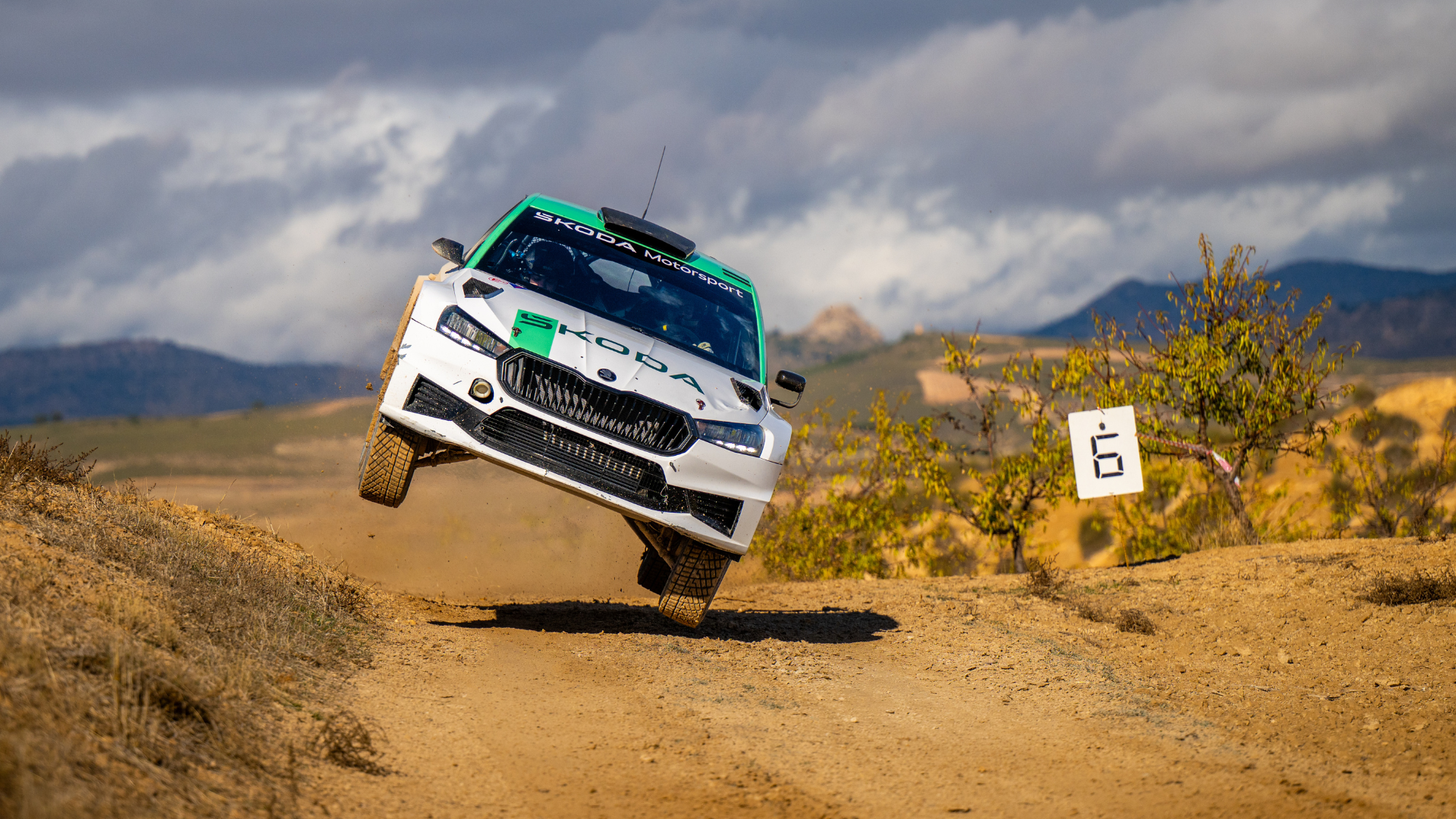
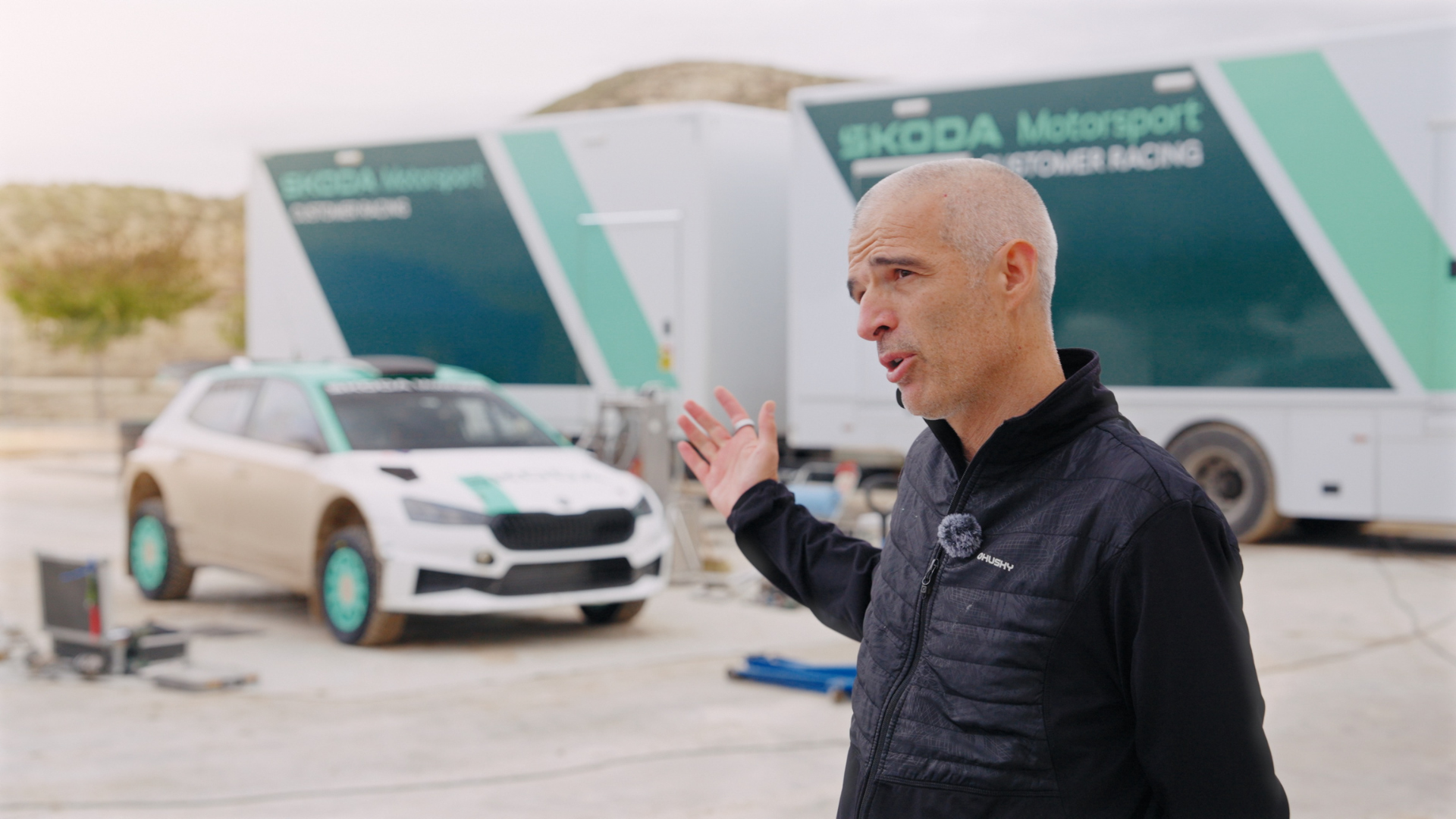
The increasing level of competition in the WRC2 category in recent seasons clearly demonstrates the importance of this type of testing for overall competitiveness. “Our test plan sometimes includes items that might seem insignificant at first glance. For example, we once tested new door seals in the extremely dusty environment of southern Spain. Under extreme conditions, we needed to verify the performance of a new material that was significantly lighter than the previous one. Every gram matters to us, which is why we also focus on such details,” Mommey adds.
Thanks to these tests, the car remains at the highest level throughout its homologation cycle. Not only small details are tested, but also new damper specifications, aerodynamic components, cooling modifications and further improvements. The third type consists of set-up tests, primarily supporting customer teams competing with Škoda cars. During these sessions, the team prepares baseline vehicle set-ups ahead of key FIA World Rally Championship events across various special stage surfaces. For crews, this represents invaluable support, saving both time and financial resources. As a result, teams have recommended base set-ups available for individual rallies, regardless of where they compete worldwide. The range of possible vehicle set-up configurations is extensive, and each rally requires an optimal configuration to ensure peak performance. Drivers can then fine-tune the set-up according to their individual driving style and preferences.
A full rally distance in a single day
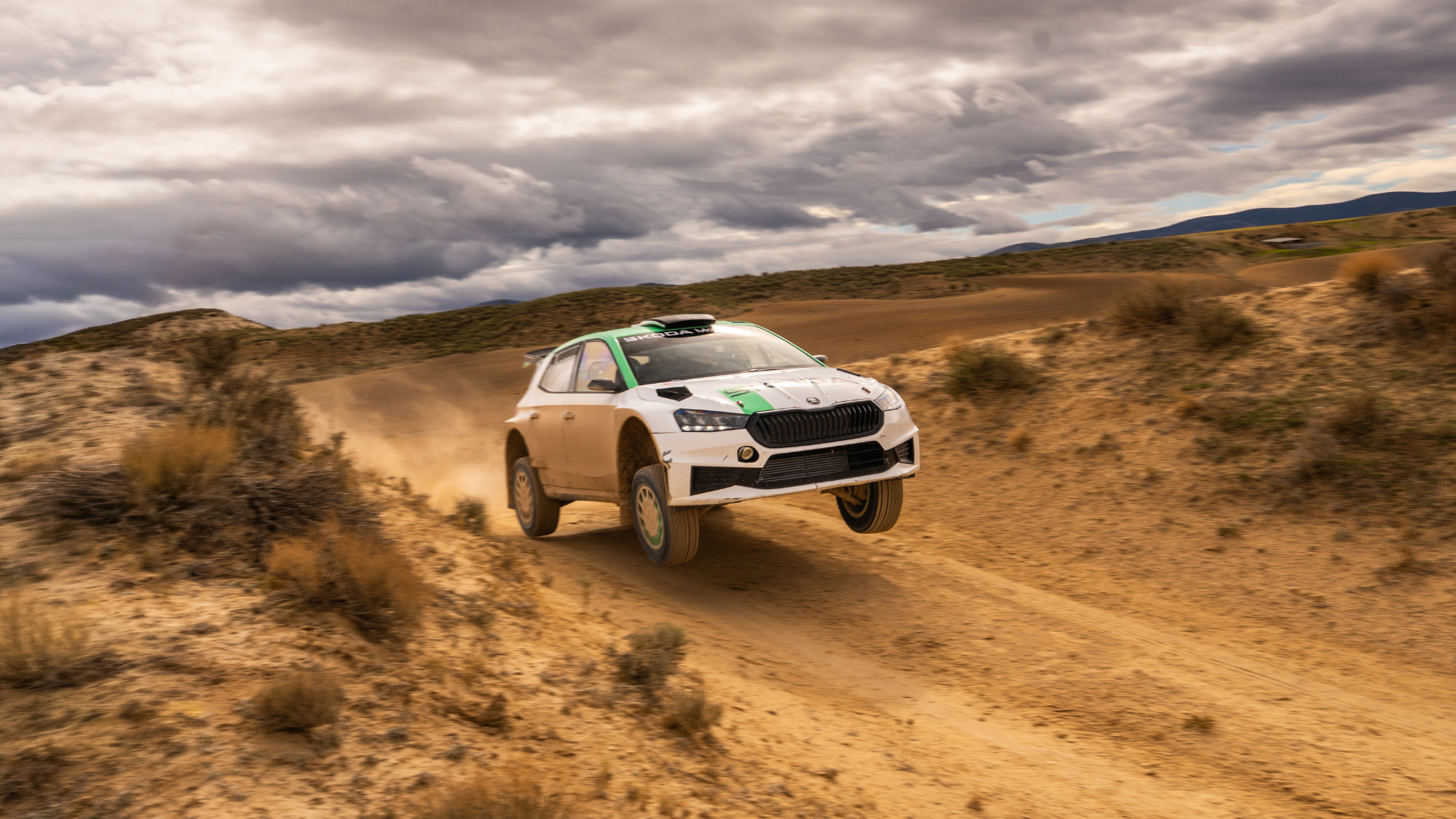
The team’s testing schedule is therefore highly demanding. “Throughout the year, we conduct up to 40 days of testing in various parts of Europe, typically in three- to four-day test sessions. During these, we alternate between stages and crews to obtain the most comprehensive feedback possible. Depending on the scope of the test, preparation takes approximately two months, during which we coordinate with organisers on the final stage selection, permits, logistics and the overall test plan,” Eric Mommey describes the preparations.
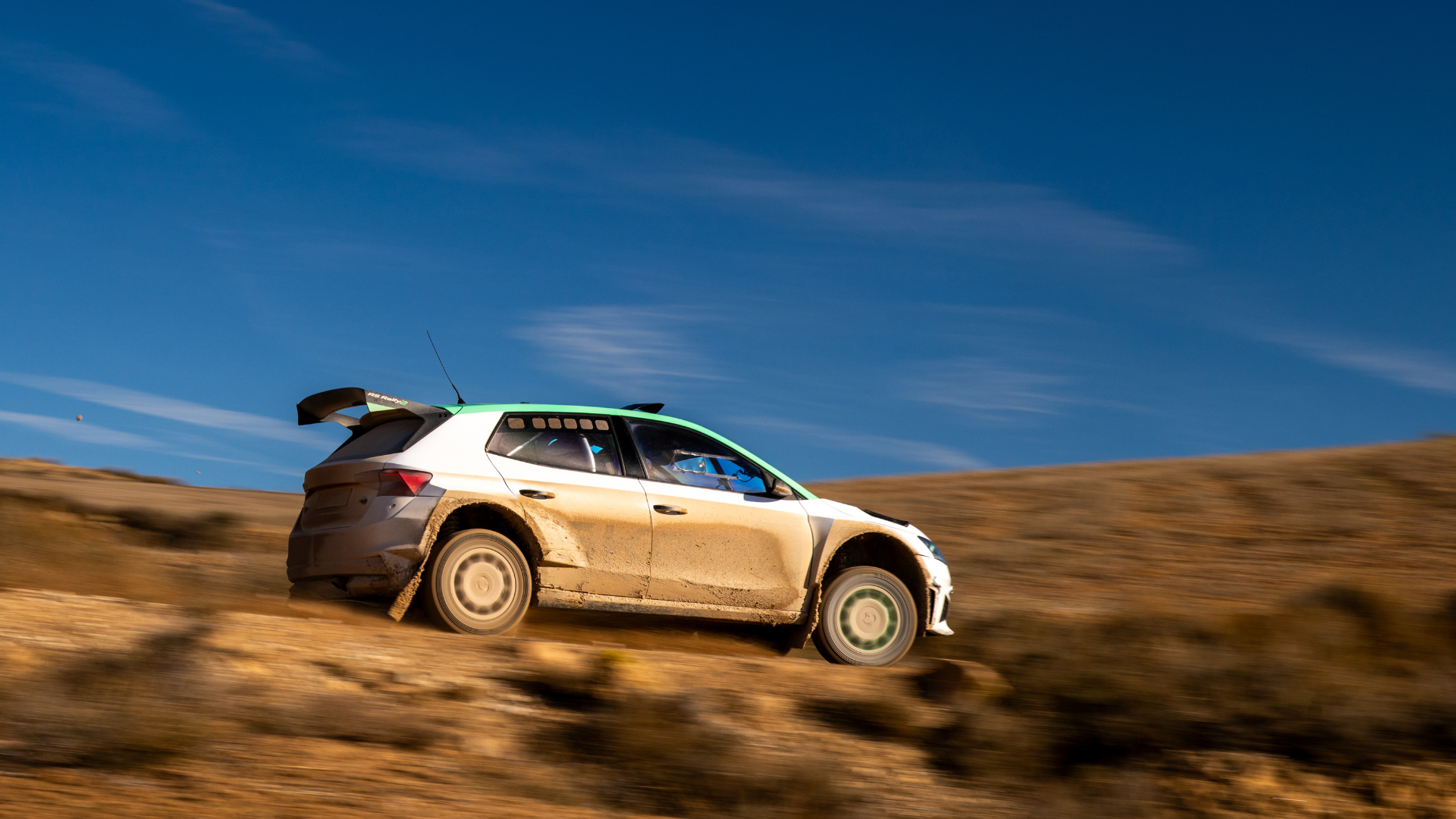
During a typical test day, the car can cover up to 300 kilometres, which represents an extreme workload, particularly for the crews, as they would normally cover a comparable distance over the course of a 3-day FIA WRC event.
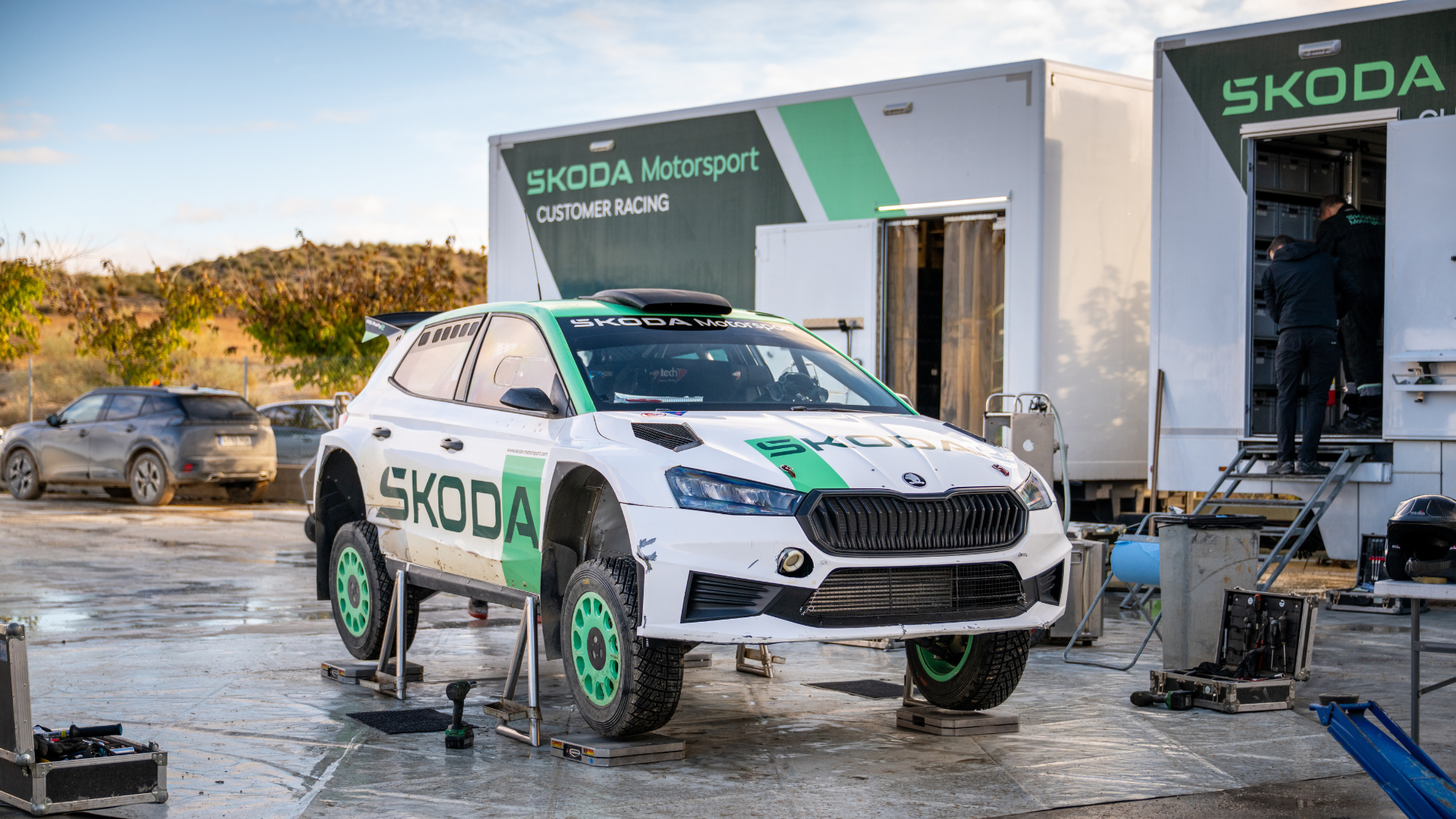
Everything happens in rapid succession during testing, which is why the mechanics also deserve recognition for having to adjust the car’s settings as quickly as possible in line with the engineers’ requirements.
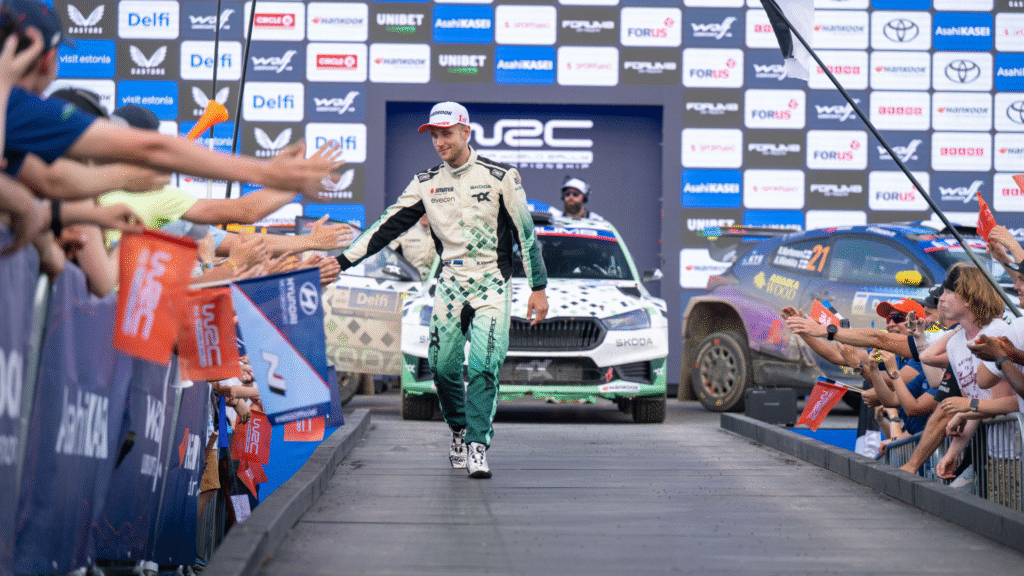
Test cars are equipped with around a hundred of sensors to precisely measure even the smallest details. Immediate and valuable feedback is also provided by the test drivers, who must accurately perceive and describe differences between individual set-up configurations. Currently, Škoda Motorsport relies on drivers such as FIA WRC2 World Champion Emil Lindholm, who demonstrates the course of a typical test day in an accompanying video.