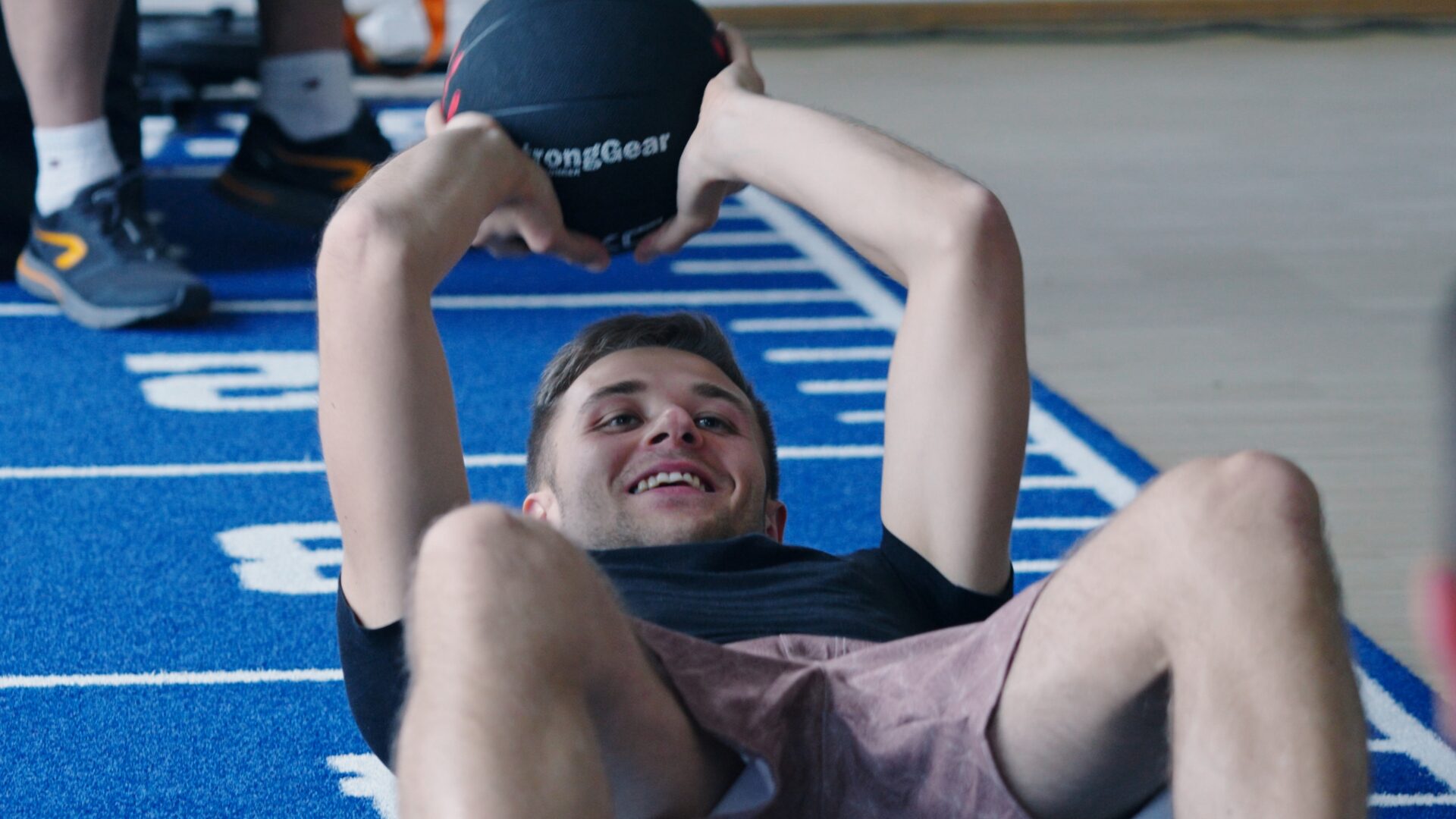
For this reason, pilots regularly visit the gym. Essentially, no specialised equipment is required to build and maintain their physical fitness; standard gym facilities are generally sufficient. Training takes place both off-season, during the season, and even throughout rally events themselves.
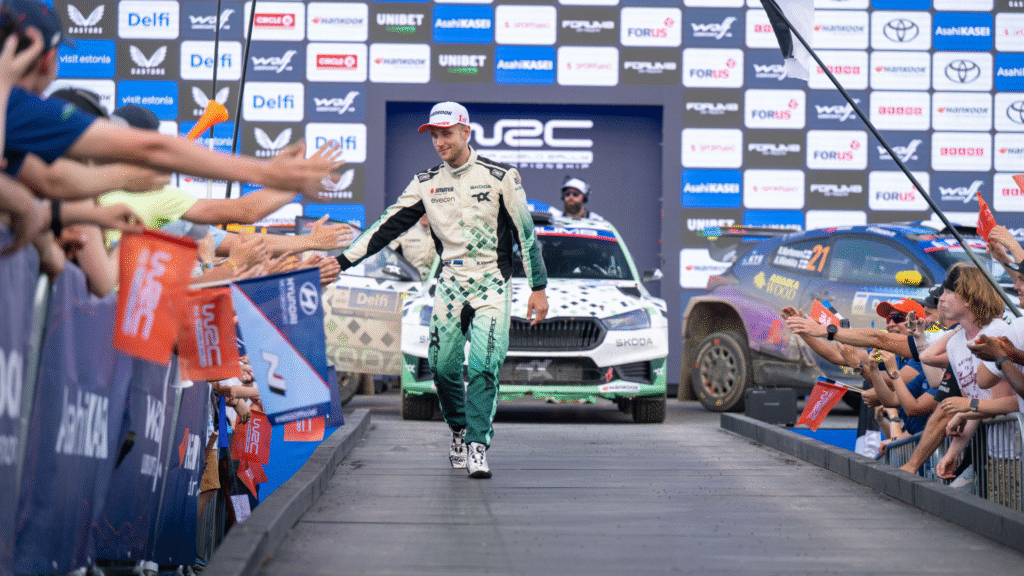
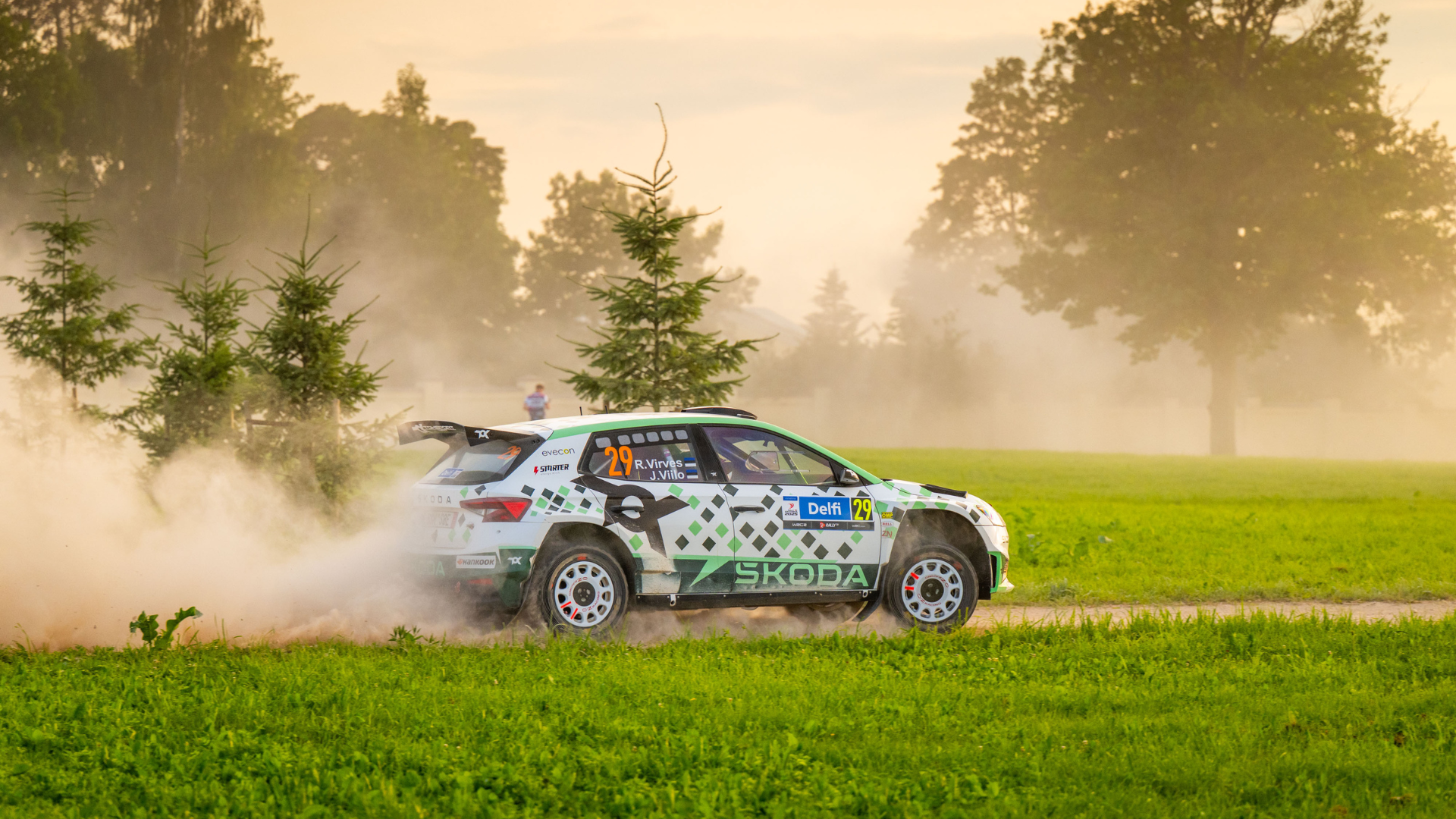
“During weeks without competitions, I train roughly every other day,” describes Estonian driver Robert Virves. “When we travel and participate in rallies, I train as much as possible. Typically, for example, in a hotel gym,” he adds. Indeed, the importance of a well-equipped hotel gym was highlighted by Virves in the first episode of our mini-series on the behind-the-scenes life of rally drivers.
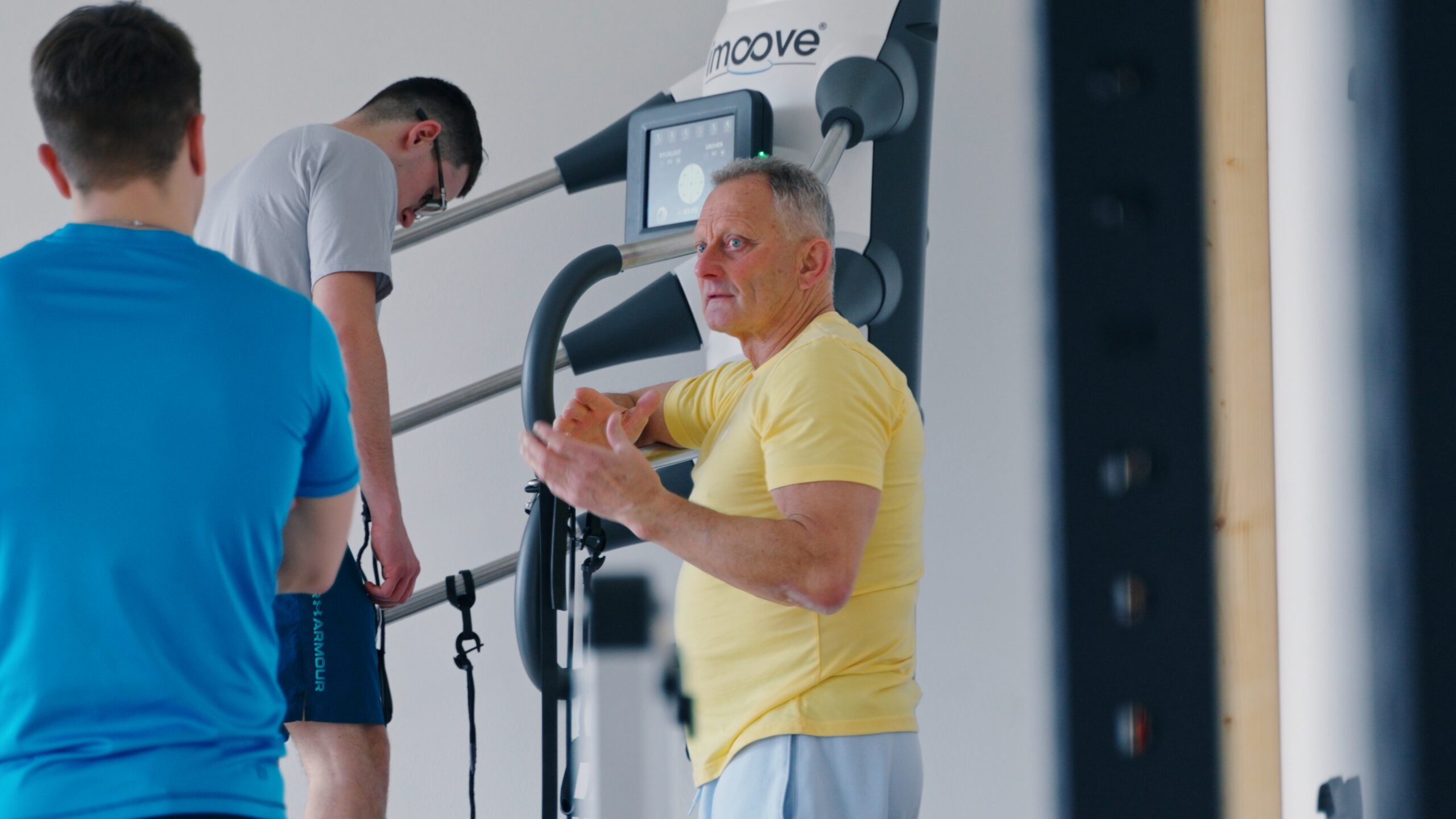
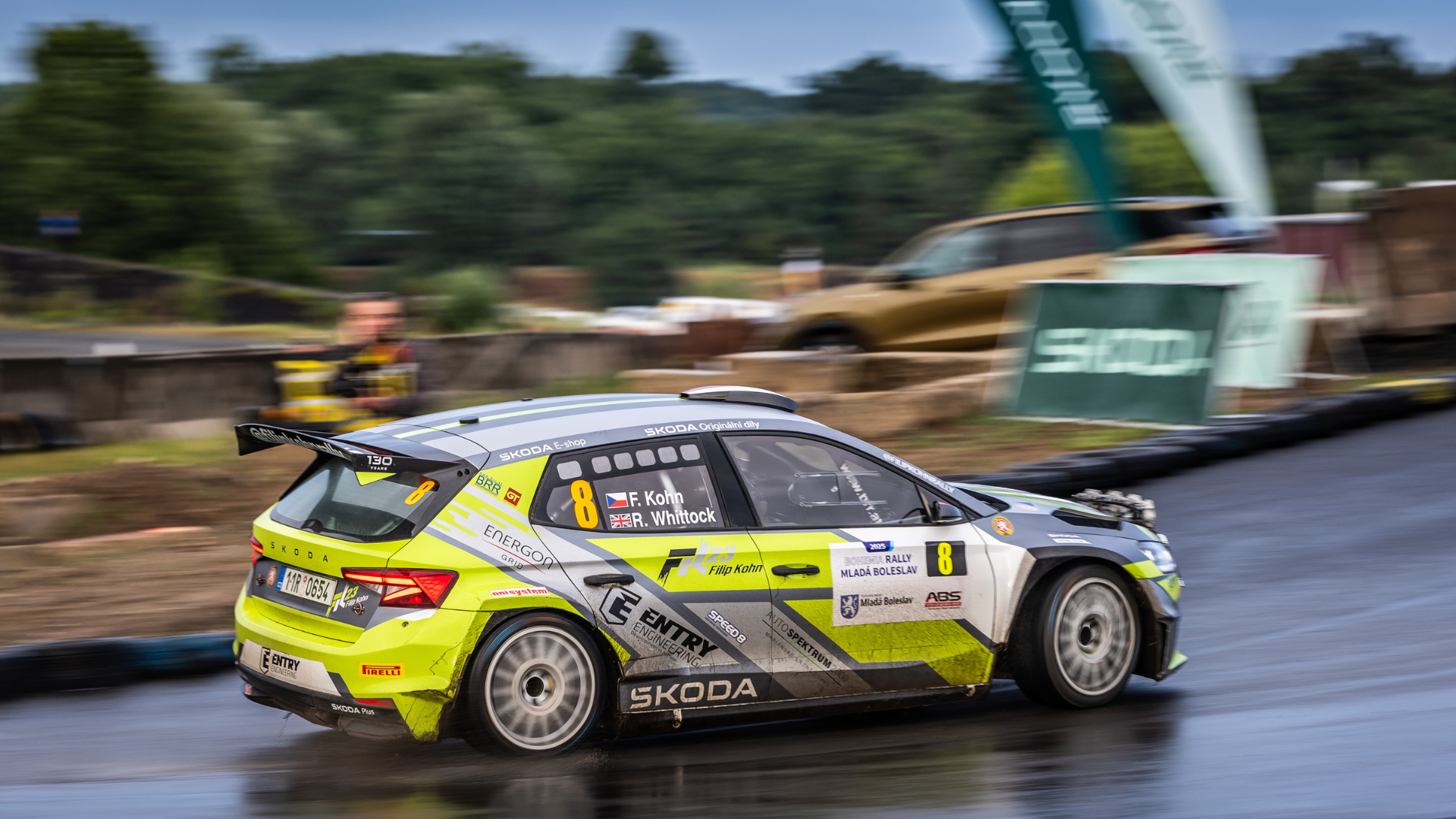
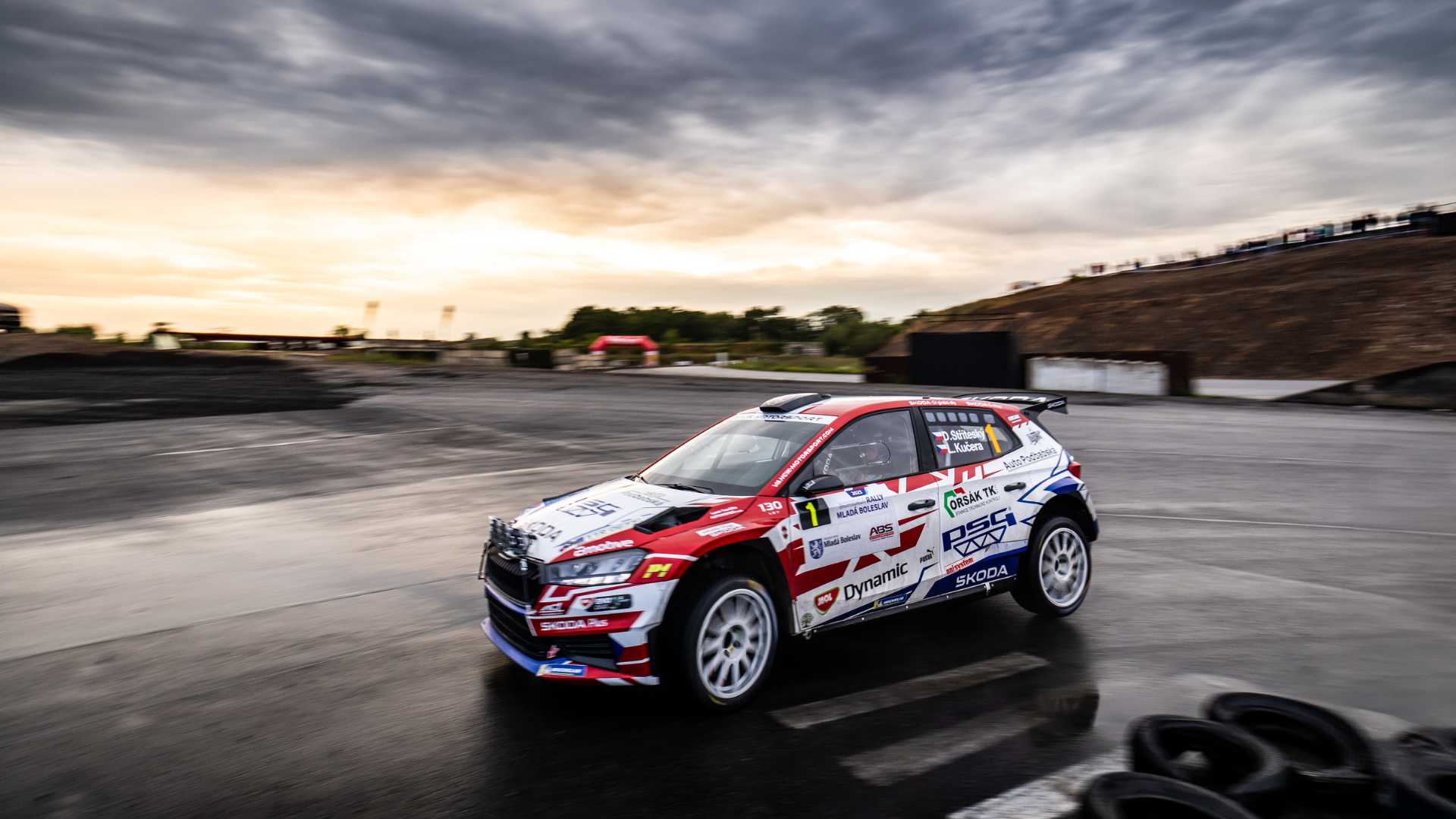
Drivers work on their fitness independently, with personal or team coaches, but occasionally their conditioning is tested and supported by Škoda Motorsport. Recently, the trio of Filip Kohn, Robert Virves, and Dominik Stříteský participated in a multi-day training camp, where Jaromír Jiřík put them through an intensive programme. The camp did not focus solely on strength; drivers also experienced a cryotherapy chamber and enjoyed kart racing. The variety in training is intended, among other goals, to support concentration and the mental well-being of the drivers.