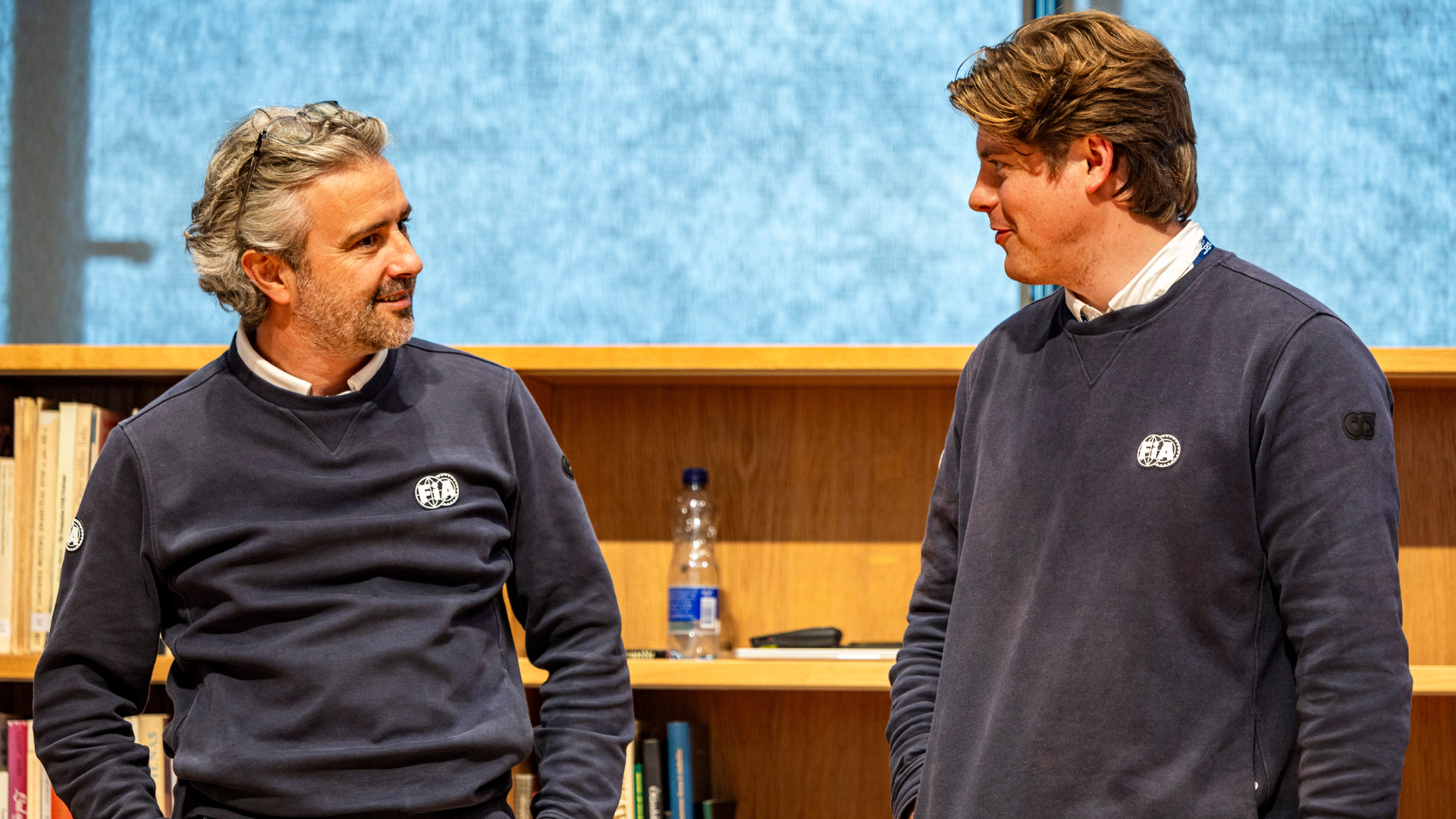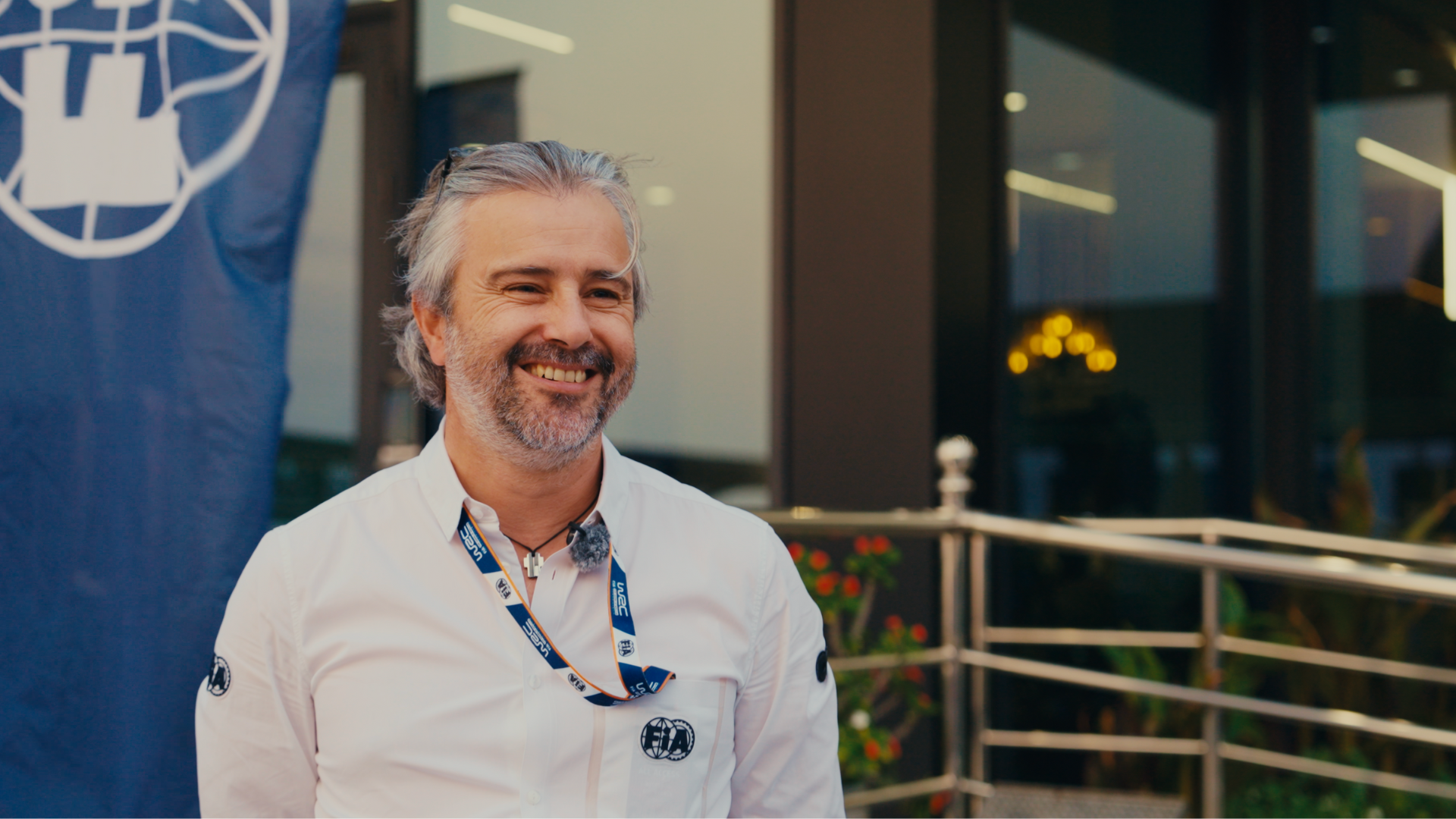
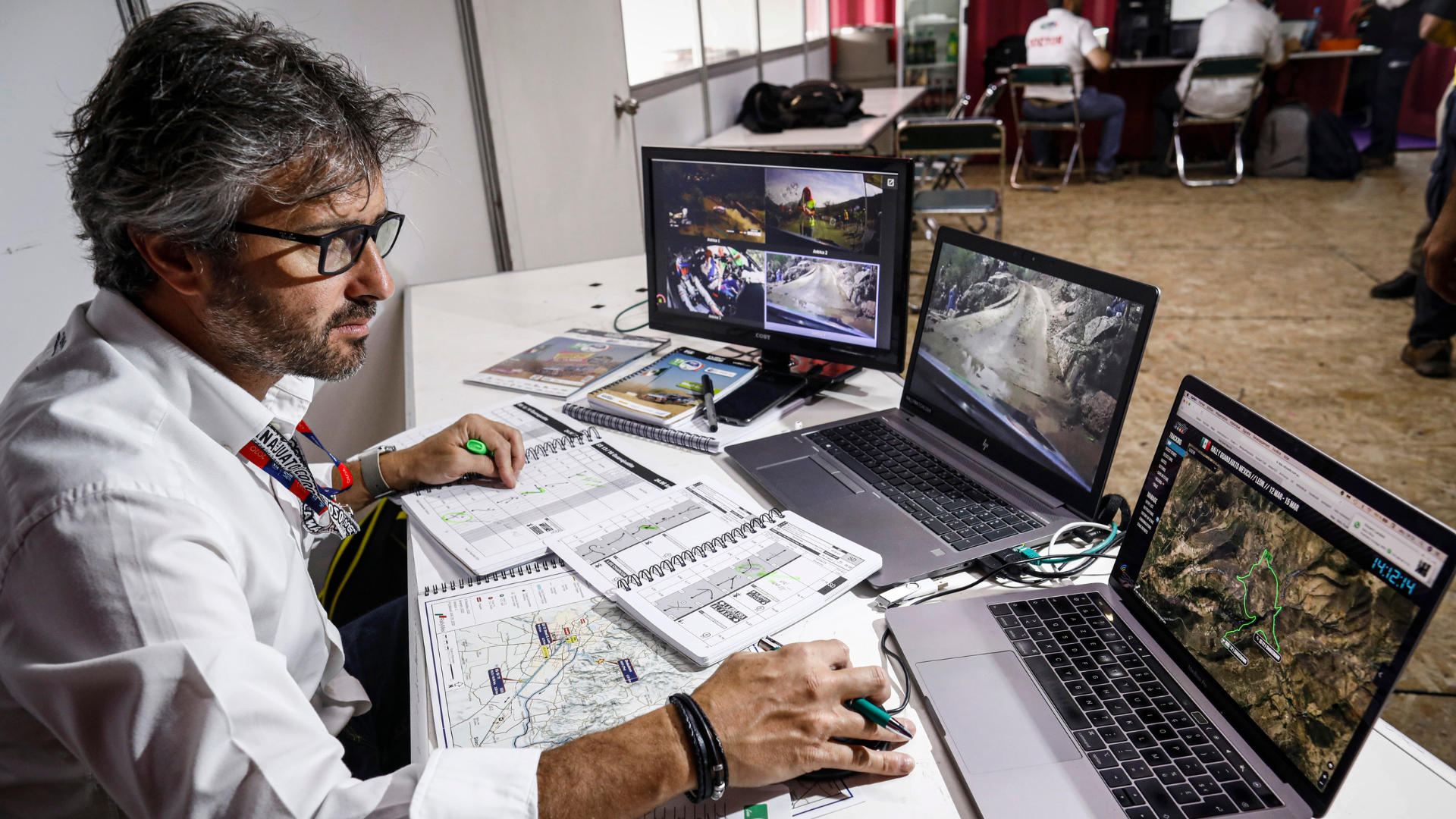
Nicolas Klinger has dedicated his life to motorsport. An experienced co-driver, he has spent more than a decade working with young talents, rally organisers, and on safety matters. In the 2025 season, he became the FIA’s Safety Delegate for world rally competitions, succeeding in this role the work of the renowned Michèle Mouton.
After nearly fifteen years in the role, legendary driver Michèle Mouton decided to conclude this exceptionally important chapter of her motorsport career at the end of the 2024 season. While the public remembers her primarily for her achievements behind the wheel of fast rally specials in the 1970s and 1980s, she focused her efforts on safety in the new millennium. Beginning in 2010, she served as the FIA’s Chief Safety Delegate for world rally events and became the first President of the FIA Women & Motor Sport Commission.
In the 2025 season, the position was taken over by Nicolas Klinger, who knows special stages well, particularly from his perspective as a co-driver. He continues Mouton’s work, striving to convince spectators that FIA safety measures on the stages truly matter.
How did you find yourself in this environment?
I grew up in motorsport. My father competed, and when you grow up in that world, you naturally want to follow the same path. I wanted to enjoy it myself — I grew up as a co-driver, but as a young guy I also tried driving because back then, everyone simply wanted to get behind the wheel. Even when I was competing as a driver, I always stayed involved in co-driving. And that eventually led me to the honour of navigating for some truly outstanding world-class drivers. I enjoyed every moment of it — and I still do.
When was the last time you raced in a car?
My last event was in 2016, so it’s now been ten years since I stopped competing. But I did have one short run in a car about three years ago, just for fun. I still enjoy it, but I’m happy to leave the driving to the professionals.
What brought you to working for the FIA?
When I stopped competing, I worked with young drivers, but I also cooperated with organisers of various events. Thanks to that, I understand the challenges organisers face. So, working for the FIA is a natural continuation of what I was already doing. I’ve dedicated my entire life to motorsport, and I want to continue in that mission.

How large is the FIA safety team?
It’s a substantial number of people — safety is a major priority. It’s primarily about operational safety, so even I, as FIA Chief Safety Delegate for the WRC, have two deputies in the championship, plus, of course, an extensive support team.
What has the FIA done for rally safety in recent years that you consider most important?
I think Michèle Mouton played a crucial role when she took on the chief safety delegate position. She began working intensively with organisers, developing safety plans with them, and advancing the overall evolution of event safety management. Under her leadership, spectators started understanding where it is safe to stand and why staying in approved areas is better. People realised the benefits of the system — that it aims to protect everyone.
How difficult is it to determine suitable spectator areas on a special stage route?
The biggest challenge always comes with new events because you never really know where people will actually show up. Locals know best how to access a stage. Naturally, we work with the information we have — stages are often part of regional rallies, and we sometimes gather insights from social media. And we also rely on what we know: spectators are attracted to jumps, certain types of corners, and we designate spectatorzones accordingly. With each following edition, we refine everything together with organisers.
Spectators sometimes complain that they are kept too far from the action. Why is that?
It’s for their own safety — and to ensure the smooth running of the event. Anything can happen. And these cars today are so fast that you simply cannot compare them to cars from 30 years ago. We must anticipate even the unexpected. We have to be able to imagine where a car might end up if something goes wrong. And on gravel events, we also have to consider flying stones.