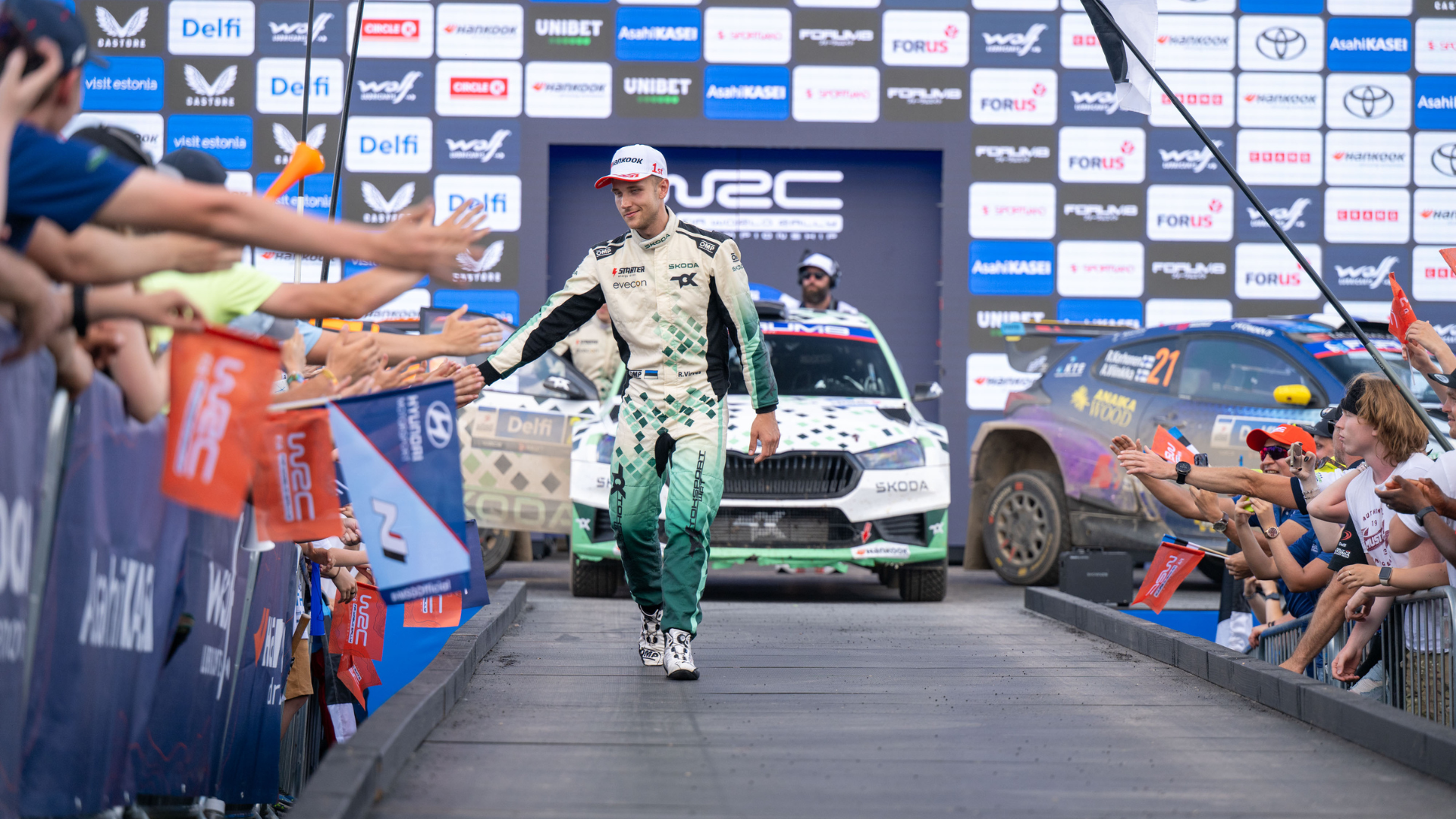
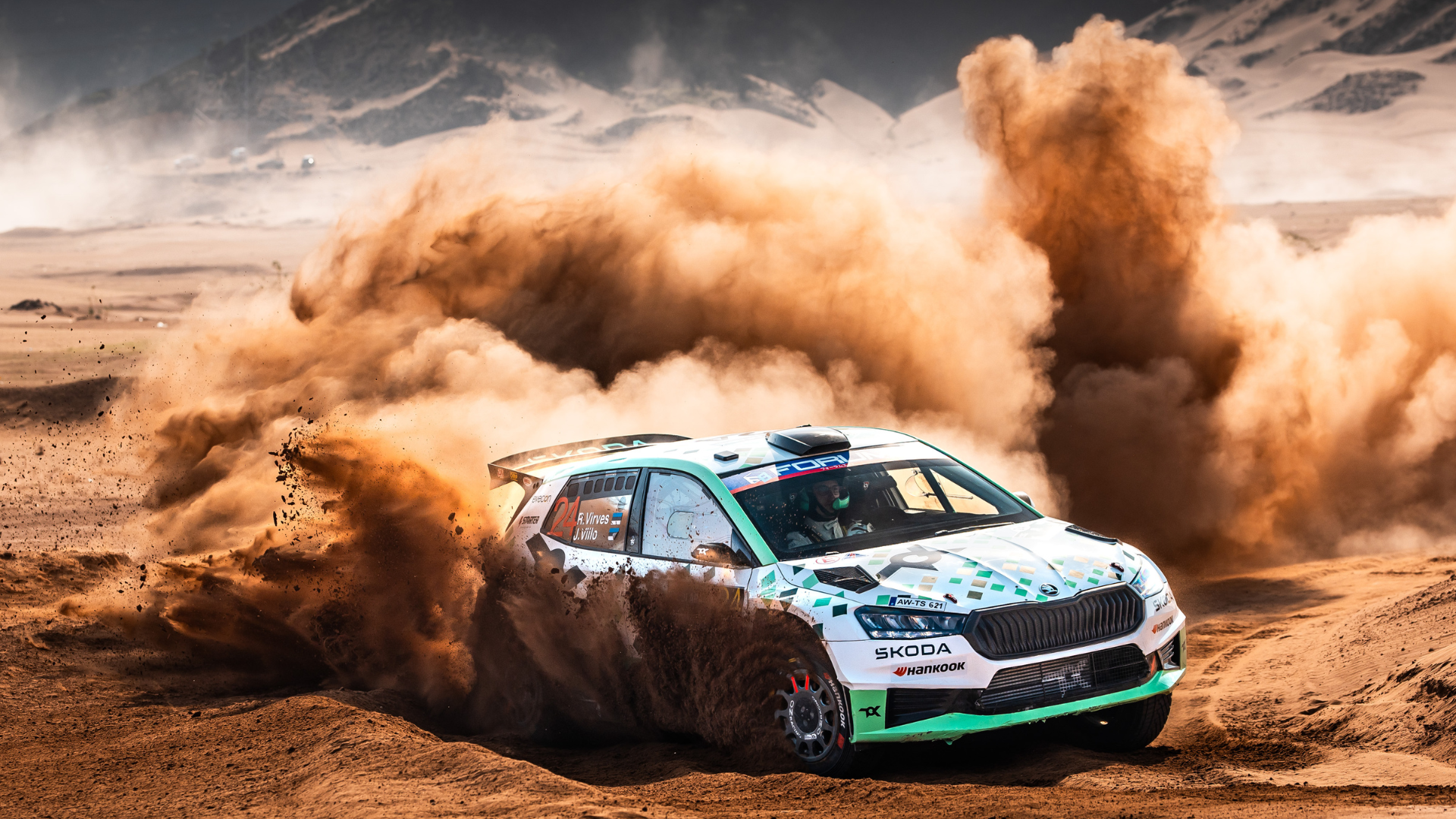
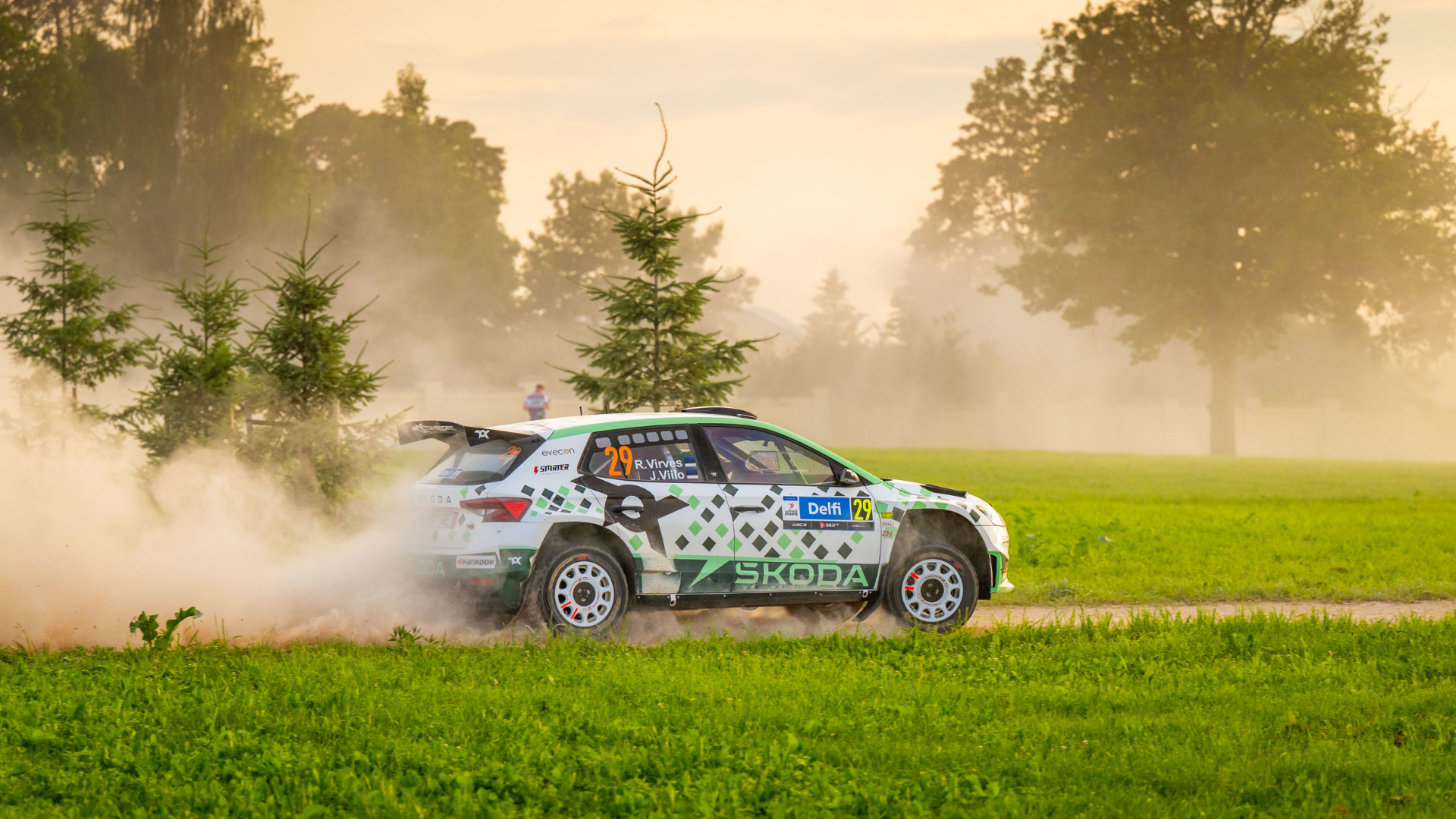
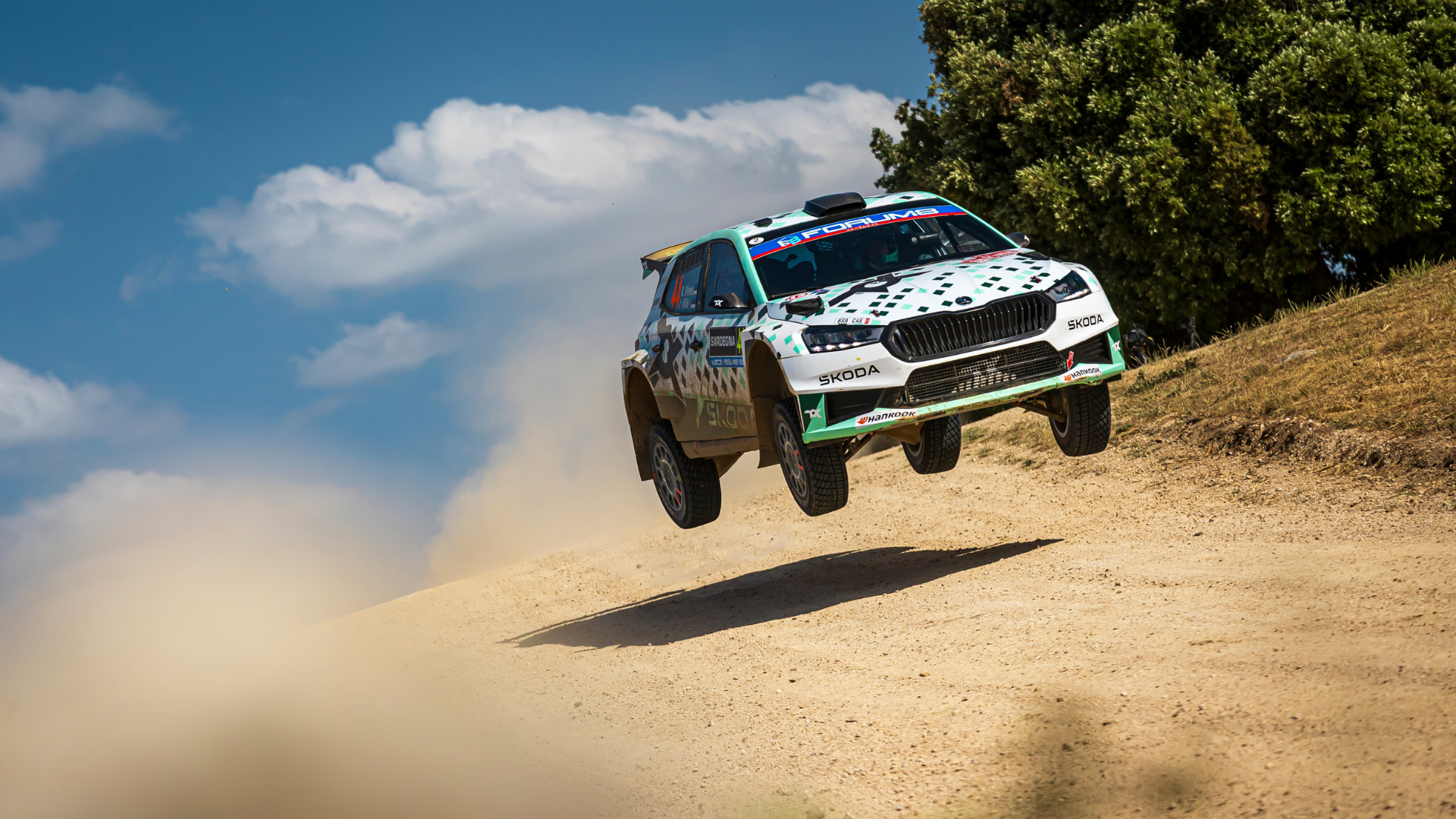
Preparation for specific rally conditions often takes place well in advance. “Last week we tested in Spain, but it’s only here that we fine-tune the car setup for the conditions in the local desert,” Virves explains ahead of the Saudi Arabian Rally, the final round of the 2025 WRC season. This is followed by reconnaissance drives, during which crews prepare one of the most important elements of rallying: the pace notes. “They are the key to being fast in the special stages,” Robert explains.
Each stage is driven twice in a road car, and the pace notes are refined in the evenings back at the hotel. “We review onboard videos to fine-tune the final details of the notes,” says Virves, adding that these are intense days during which crews get very little sleep. Next comes the shakedown, effectively a final familiarisation with the conditions in the competition car. Here, drivers can uncover potential challenges they may face during the rally. “We noted large rocks on the roads,” Robert commented on the stages in Saudi Arabia.
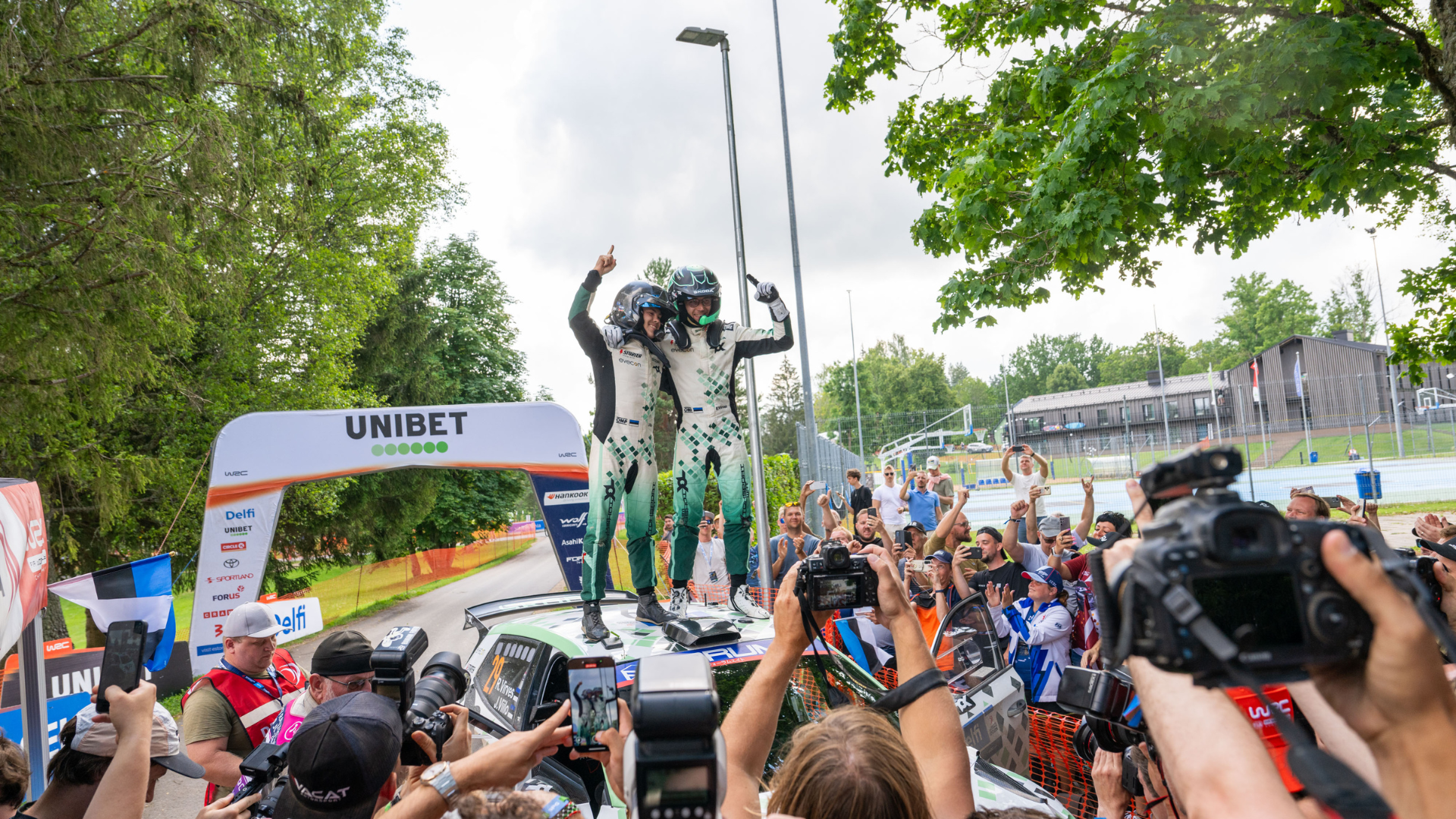
“After the shakedown, we discuss everything with the engineers and head to the first super special stage of the rally,” Virves continues. In Saudi Arabia, both the shakedown and the opening short special stage took place on Wednesday, whereas they are usually held on Thursday. As a result, the rest of the schedule was also shifted forward by one day, with the main competition running from Thursday to Saturday. “Three days and 320 kilometres of real racing are ahead of us,” Robert says, adding: “I can’t wait for the start.”
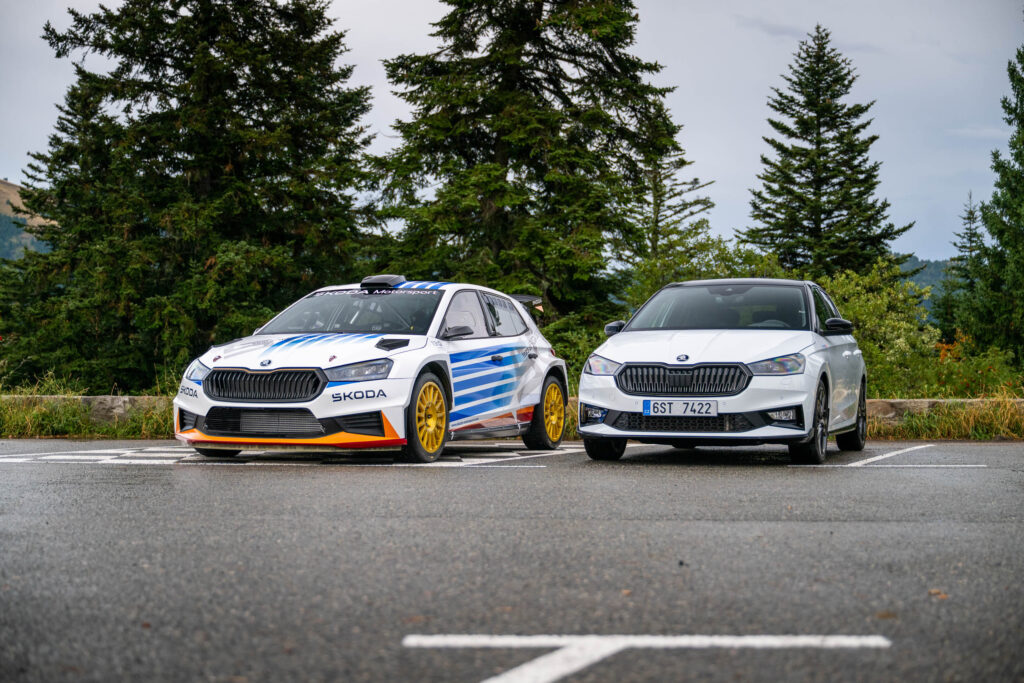
That start ultimately brought him significant success in Saudi Arabia. Driving the Škoda Fabia RS Rally2 for the Toksport WRT team, Robert Virves secured third place in the WRC2 category, completing an all-Škoda crews podium in the category.