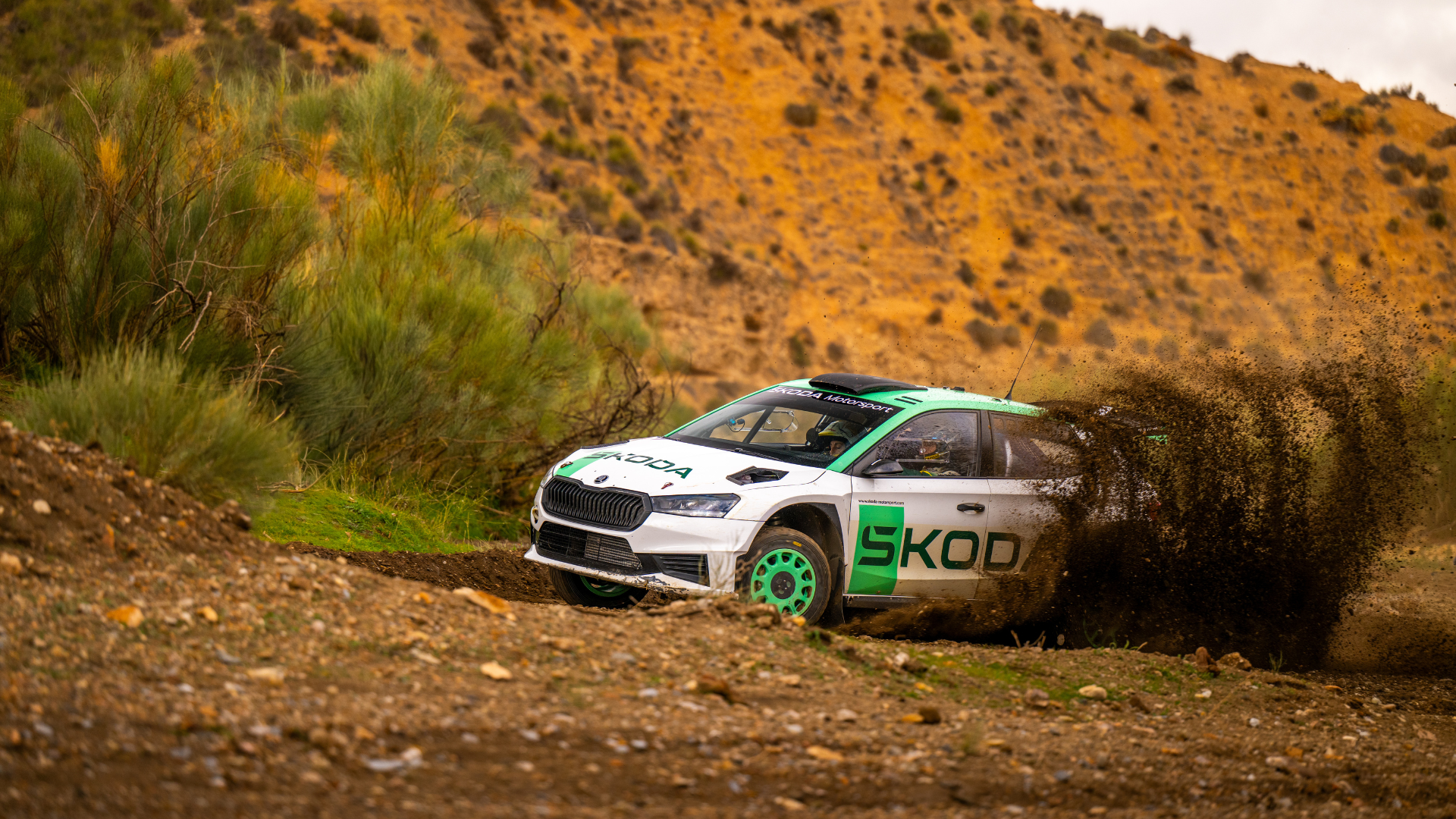
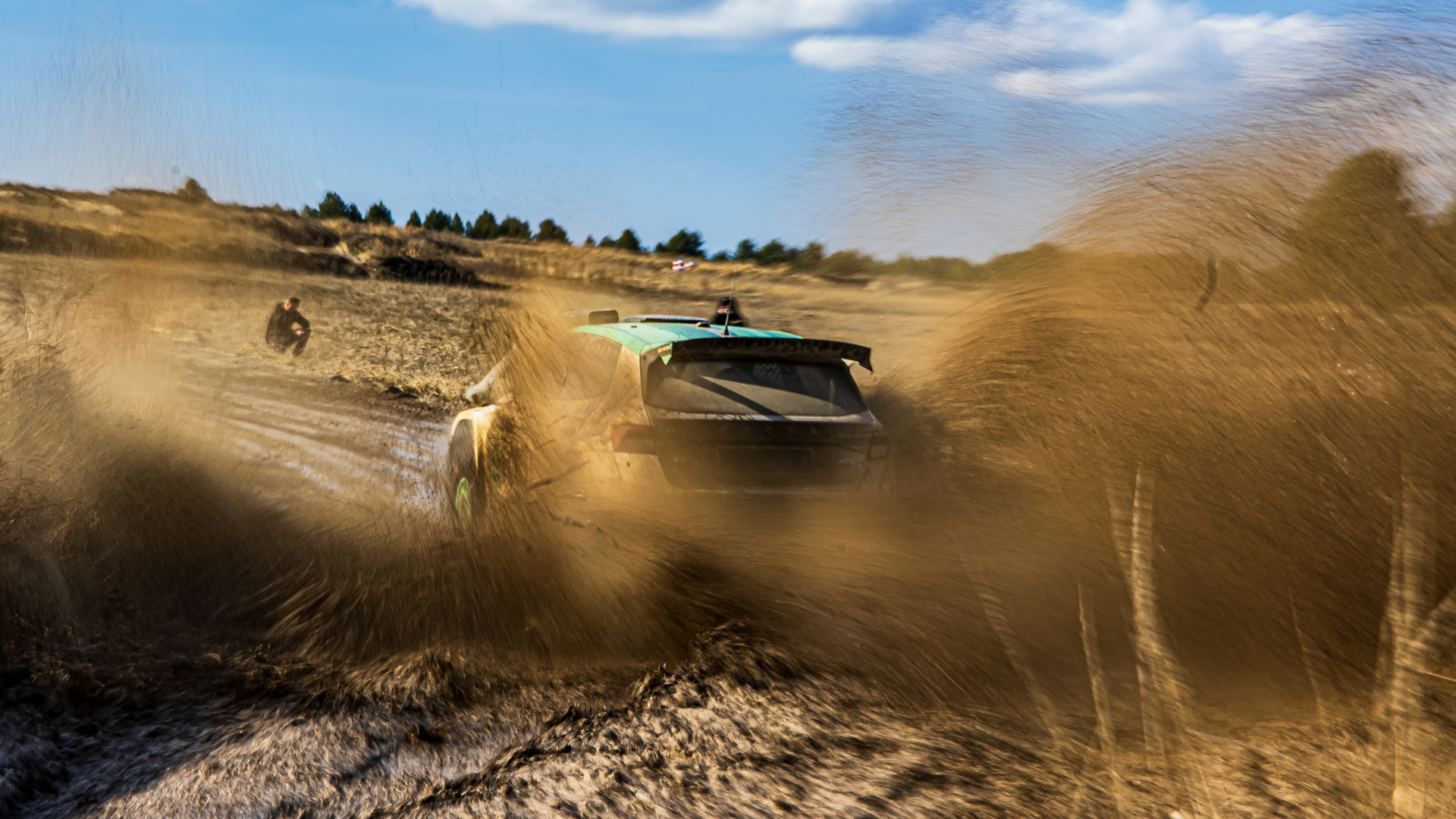
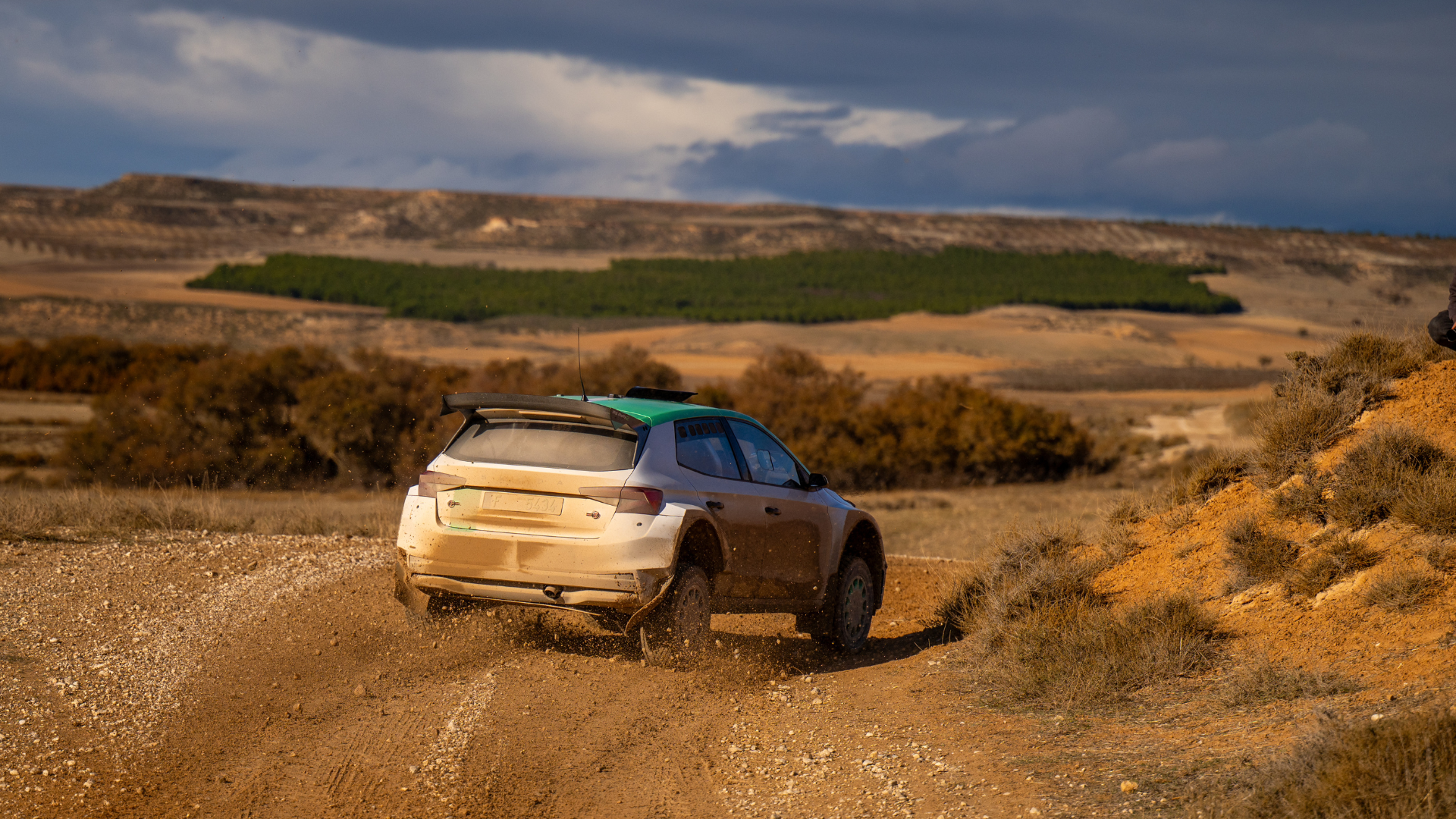
Individual rounds of the World Rally Championship are held primarily on two types of surfaces: asphalt or gravel. It is gravel, in fact, that makes rallying a unique discipline. This is because a car handles slightly differently on loose surfaces such as gravel than on hard ground. Driver Andreas Mikkelsen explains how exactly.
Driving a car at competition pace on gravel is a somewhat different discipline compared to driving on asphalt. Andreas Mikkelsen, the two-time WRC2 world champion from 2021 and 2023, knows this very well. He has proven capable of winning on both of the main surfaces on which rallies are held. Gravel, moreover, is his “home” environment, as he was involved in motocross at the beginning of his career.
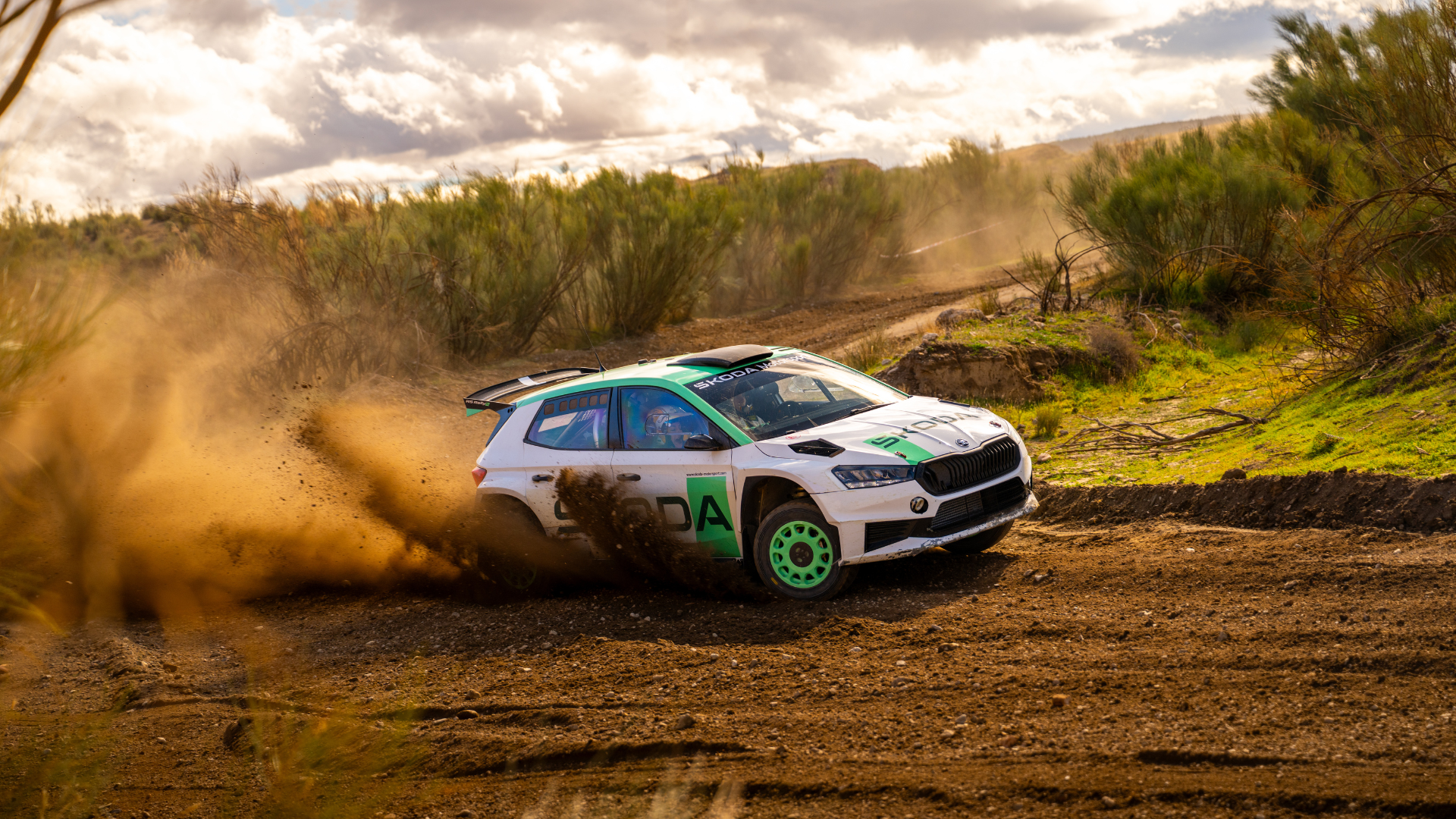
According to Mikkelsen, a rally car actually handles similarly on asphalt as it does on a racetrack. But on gravel, you need to change your driving style. This is also due to the tyres that drivers use on this surface. “They have a pronounced tread pattern that bites into the surface,” says Mikkelsen. That’s why, according to him, drifting is a crucial element on gravel.
The objective, in fact, is to prepare the car before the corner for the fastest possible exit. “You determine the angle of the car already on corner entry and it should in fact correspond with the angle of the exit from the corner,” explains the driver. Thanks to the front wheels being turned differently than would be usual on asphalt, and with the car travelling in a controlled slide, the driver can apply the throttle earlier on corner exit on gravel than would be possible if the corner were taken “cleanly”. “The tyres bite in the direction you want to go,” adds Mikkelsen.
On gravel, according to him, the driver must also experiment somewhat with the racing line. While on asphalt there is essentially one ideal line, on gravel the line that appears ideal may not prove to be the fastest. The driver must therefore read the road and the various lines already left by cars ahead. “You also have to look at other lines, where you can find grip,” explains Mikkelsen. According to him, the front tyres in particular must be placed in the chosen line, although this can sometimes complicate the choice of steering angle in relation to the corner exit especially.
Tyre life must also be considered. “Particularly over longer legs of a rally, we have to manage wear and tear in order to maintain the best possible grip throughout,” explains the champion, adding: “Sometimes you do not need to be the fastest, but you have to protect the tyres a little. That means, above all, not driving too much sideways, especially at high speed or under braking.” He explains that an excessively aggressive driving style damages the tyres. Drivers therefore also seek, even on gravel, to brake with the car kept as straight as possible, only then “throwing” it into a slide.
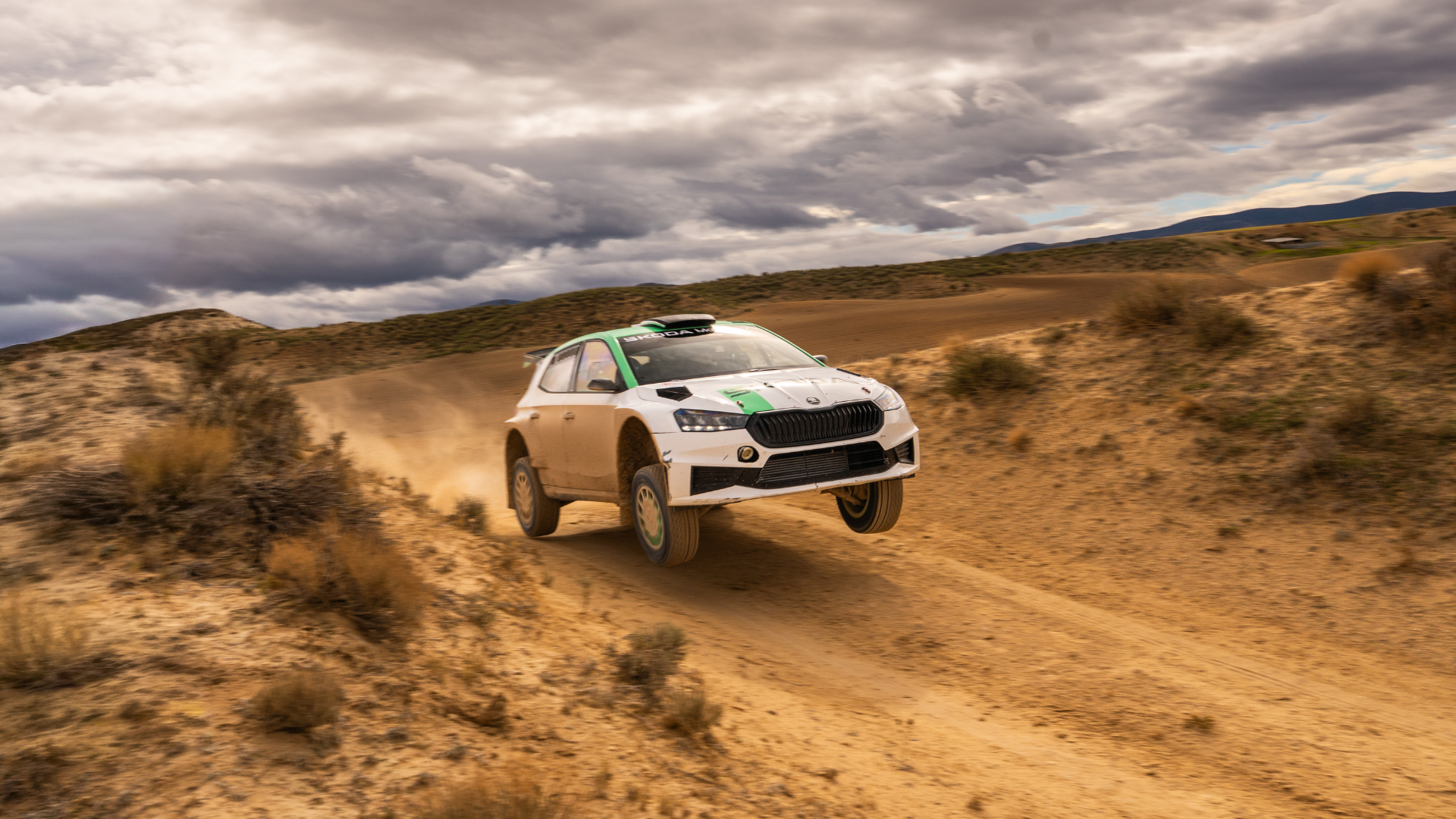
When a driver finds the right balance and rhythm amid all these factors, it is possible to be quick on gravel and to win — as Andreas Mikkelsen himself has demonstrated many times already.