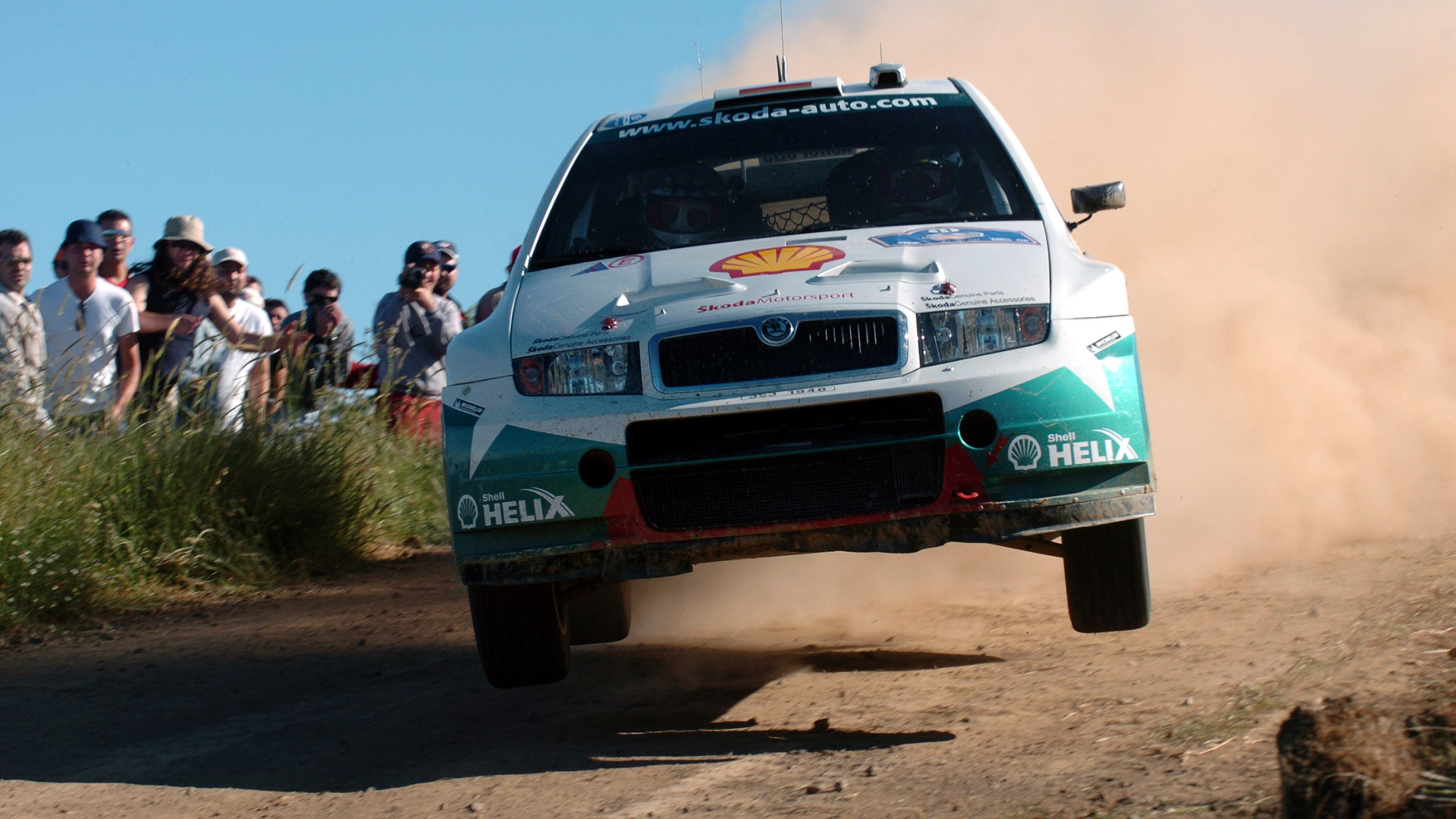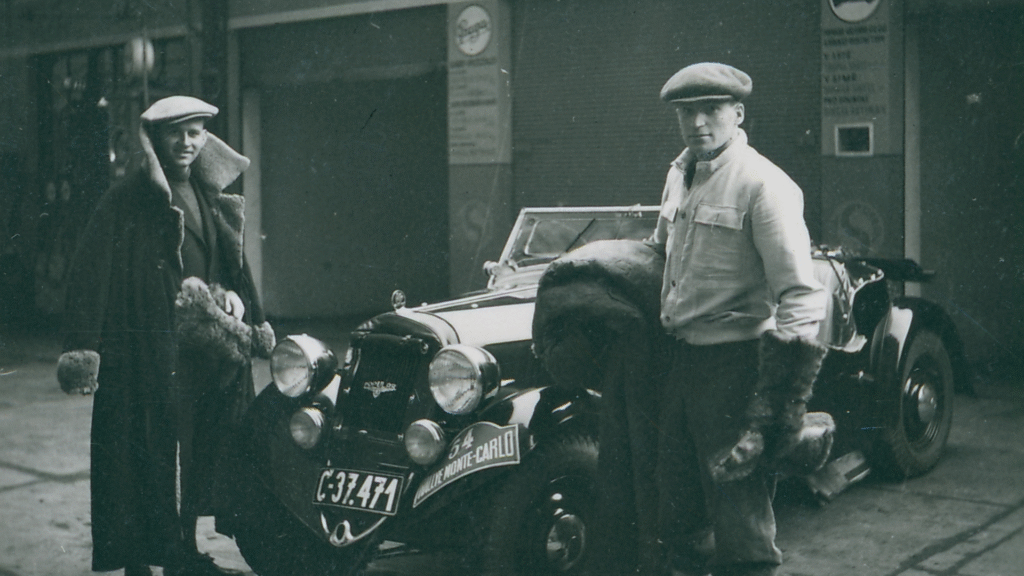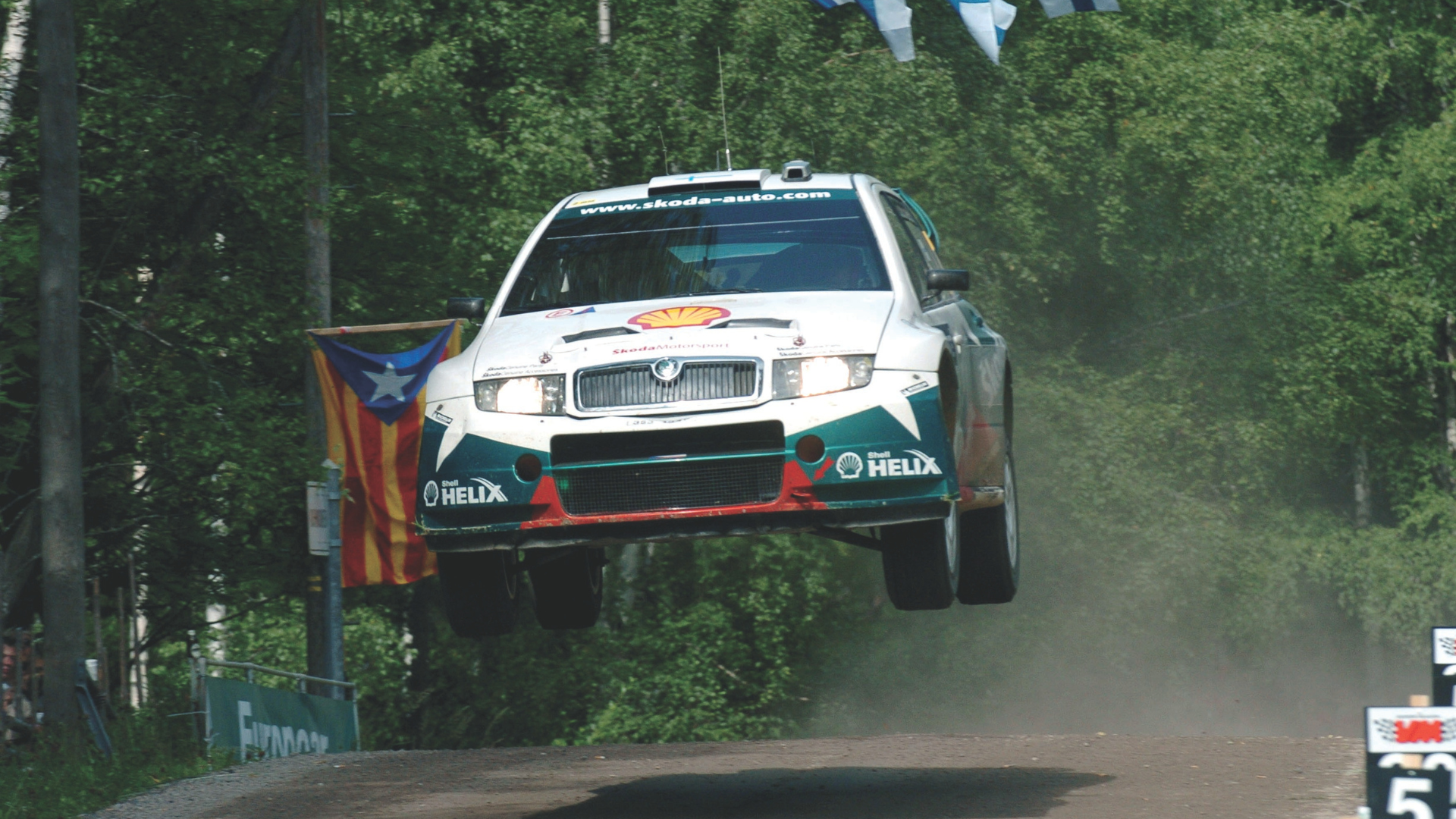
In our previous instalment of this series celebrating 125 years of Škoda Motorsport, we looked back on the Škoda Felicia Kit Car and the phenomenal achievements of its drivers. Today, we move a little closer to the present, as the Škoda Fabia WRC takes centre stage.
While Škoda Motorsport took its first tentative steps toward independence into the new era following the fall of the Iron Curtain with the racing versions of the Favorit and Felicia; Octavia and Fabia carved out a path straight into the ranks of the world’s elite, competing in the top category of the World Rally Championship (WRC). The Octavia achieved Škoda’s best WRC result to date when Armin Schwarz secured an impressive third place at the gruelling Safari Rally in Kenya in 2001. The Octavia WRC also introduced the racing division to technologies previously unknown to them such as all-wheel drive and a turbocharged engine.
The Octavia fought valiantly, but as time went on, it began to show its age, and a successor was needed. Enter the agile, compact Fabia – a name now familiar to every rally fan. The development programme was officially announced at a press conference ahead of the 2003 Rallye Monte-Carlo, and the car was unveiled to the world in Geneva that March. Homologation regulations required Škoda to first produce 2,500 road-going examples of the Škoda Fabia RS, which served as the basis for the rally car. This milestone was reached on 1 July that year, paving the way for the Fabia WRC to make its competitive debut.
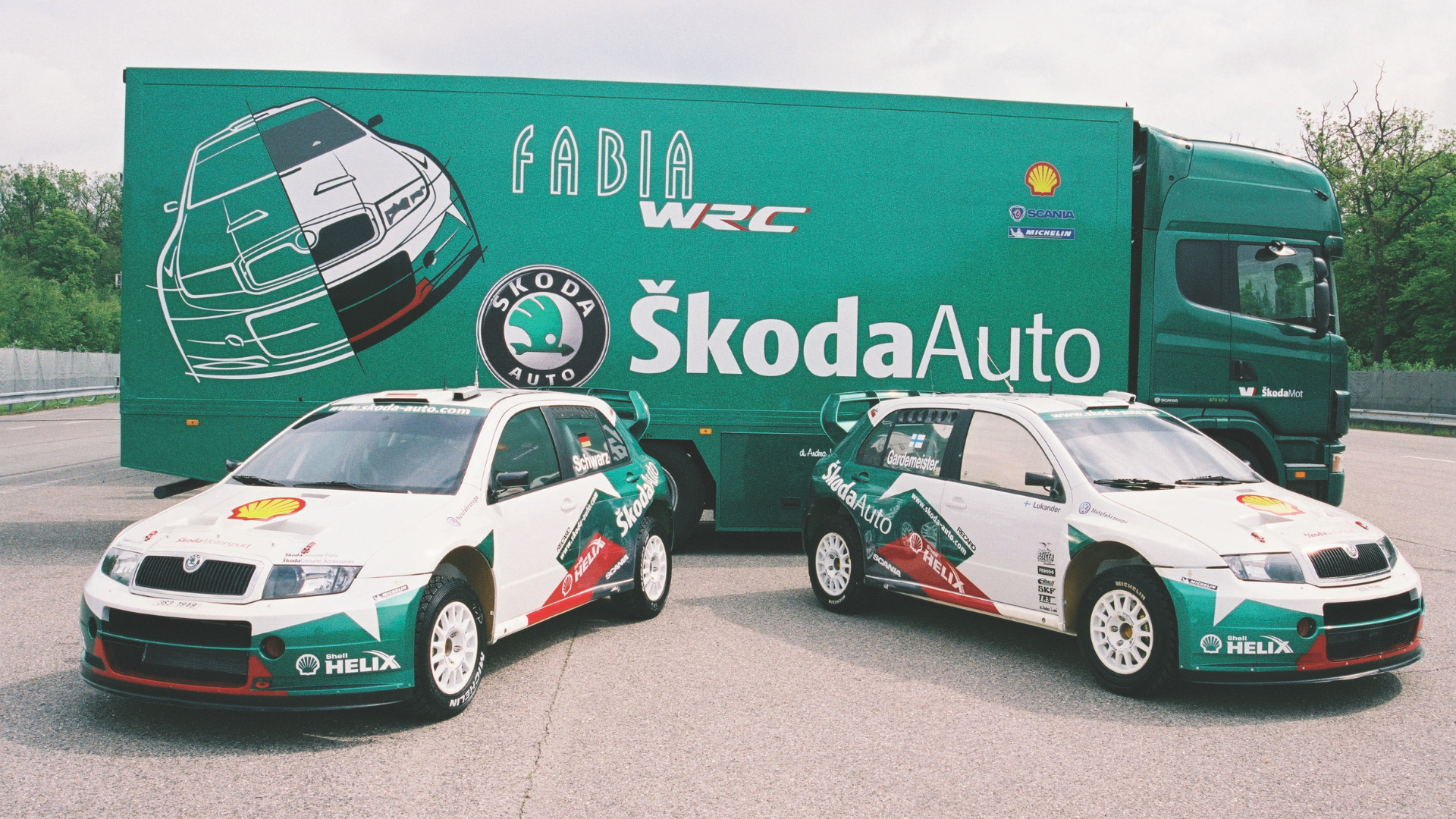
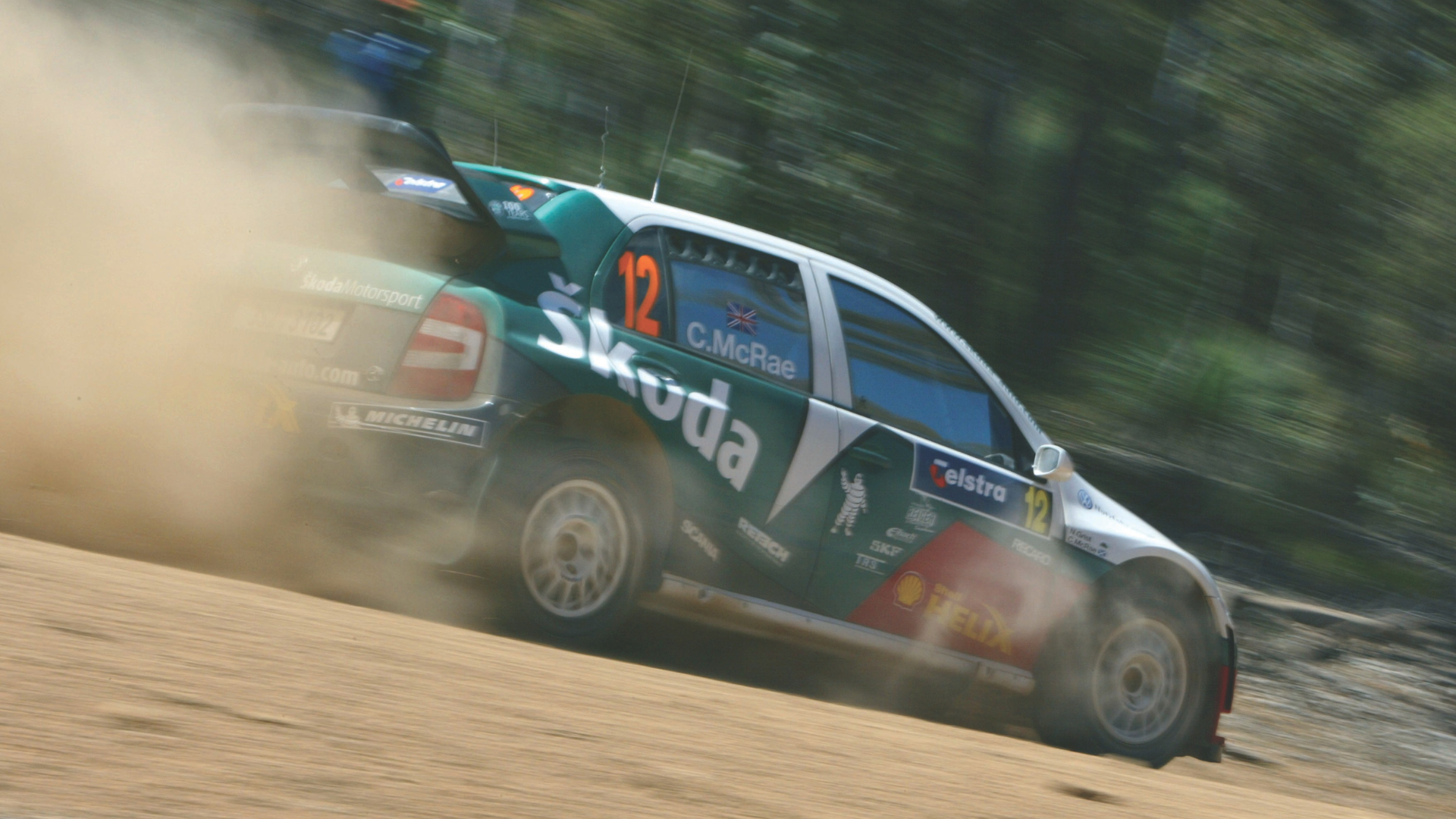
The Fabia WRC made its first appearance at Rally Deutschland in 2003 but unfortunately failed to reach the finish. Bad luck continued to dog the car throughout the remaining events of that season. Behind the wheel were some of the biggest names in rallying, including Toni Gardemeister, Armin Schwarz, Roman Kresta and even the legendary Colin McRae. It was with McRae that the Fabia WRC came tantalisingly close to a career-defining result, charging towards second place overall at Rally Australia in 2005. A botched pit stop ultimately wrecked those hopes, forcing the crew to retire.
Toward the end of 2005, Škoda disbanded its factory WRC team, making way for three private outfits running the Fabia WRC: the Czech-based Czech Rally Team Jan Kopecký and the international teams Red Bull Škoda and First Motorsport Škoda. It was the Czech team, named after the rising rally star Jan Kopecký, that delivered some outstanding results with the Fabia WRC in 2006 and 2007.
At only his fourth event, the young Kopecký secured an impressive fifth place in Spain. He went on to finish in the top ten twice more that same year, in Germany and Finland. The following season, he recorded six top ten finishes, including an excellent fifth place in Germany. In his hands, the Fabia WRC gradually earned respect on the international rally scene.
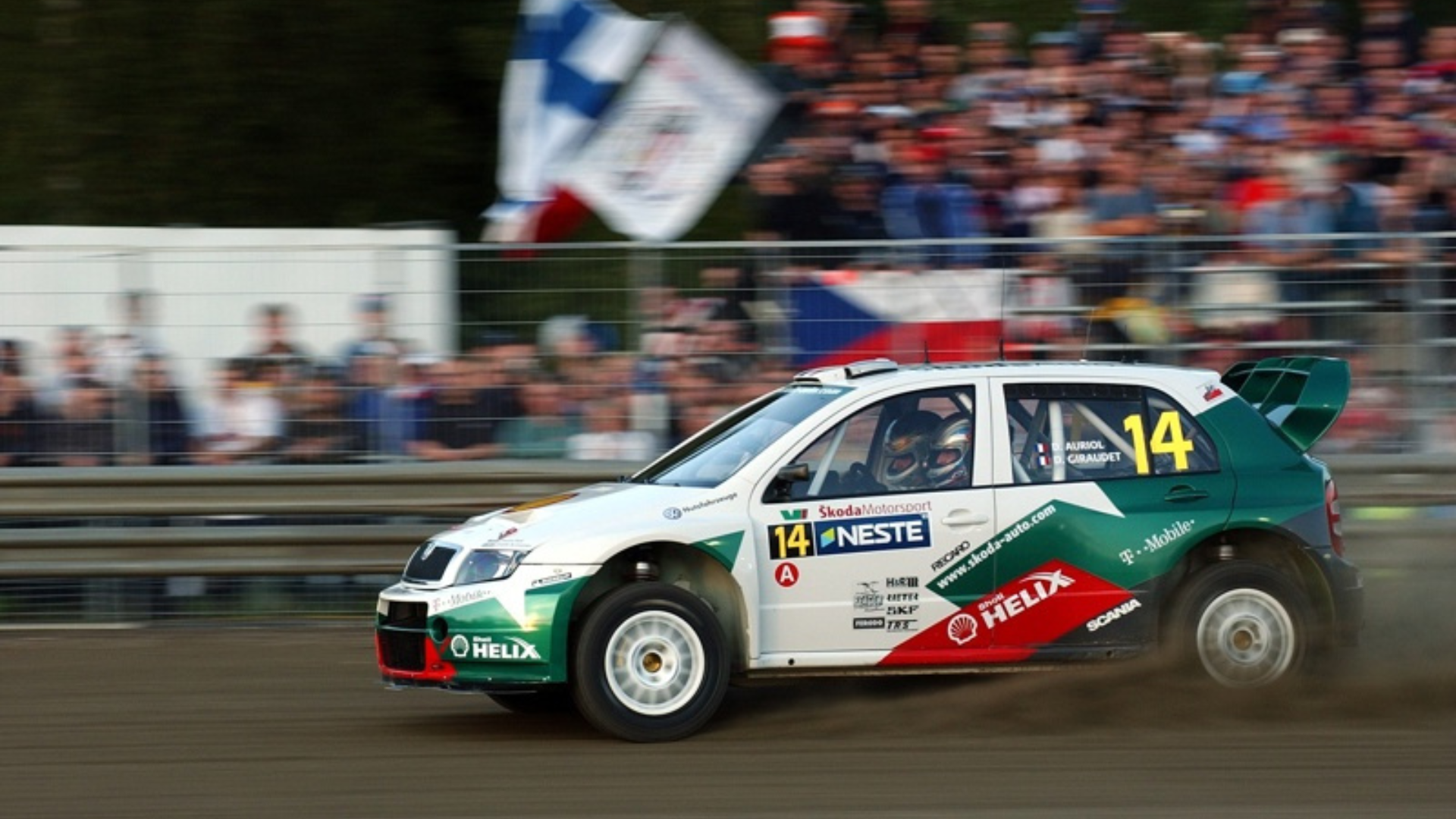
Two fifth-place finishes achieved by the man who would later become a world champion represented the Škoda Fabia WRC’s best results. Yet without this car, the successful lineage of today’s Rally2-specification models might never have come into being. The Fabia WRC taught the team valuable lessons and helped lay the foundations for a winning dynasty. And let's be honest: doesn't the sight of that huge rear wing and those wide wheel arches still get the adrenaline flowing?