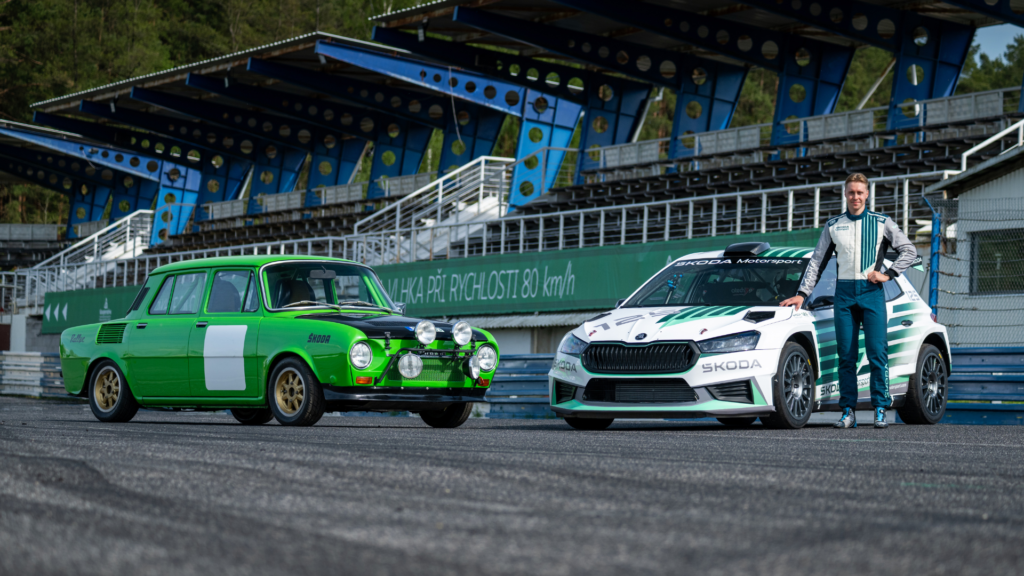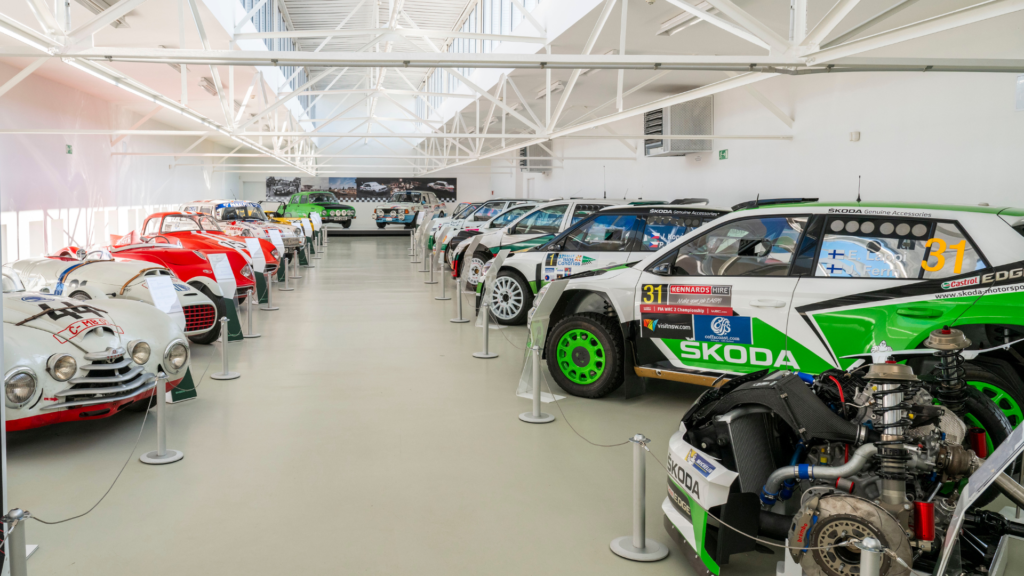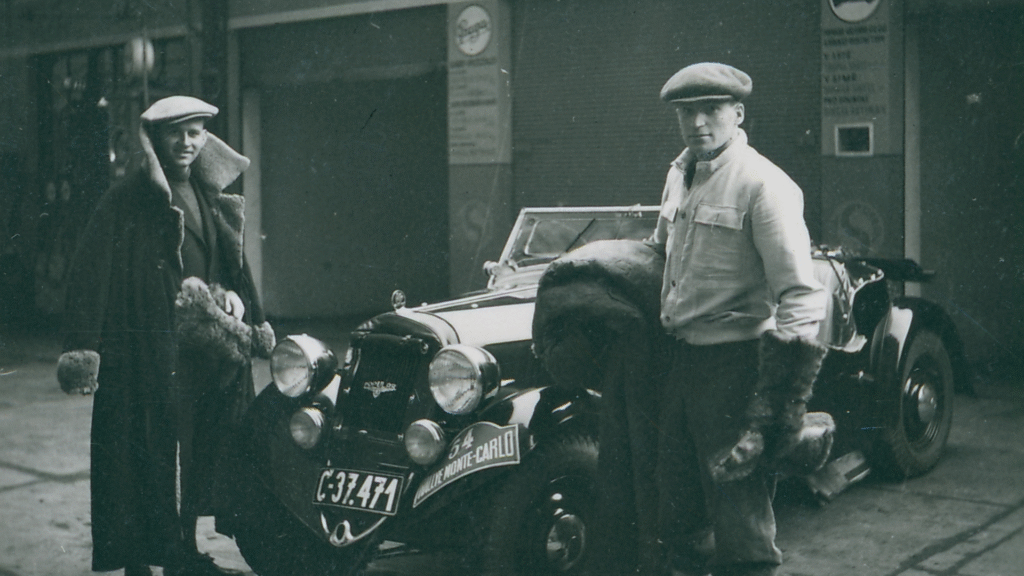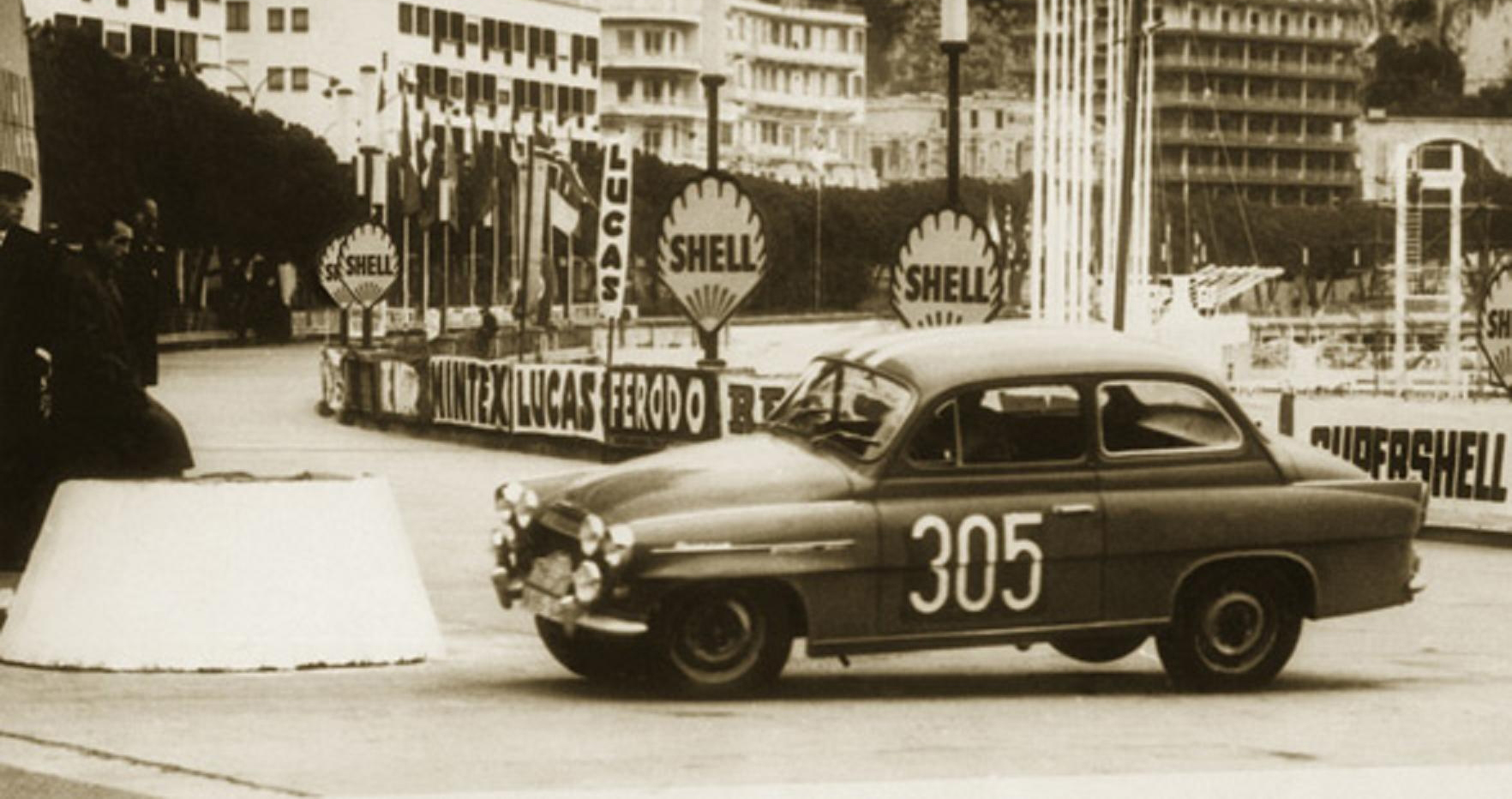
Škoda Motorsport is celebrating its 125th anniversary, and we are taking a look back at the key milestones that have shaped this long and remarkable history. In our previous chapter, we revisited the brand’s first successes at the Rallye Monte-Carlo during the 1930s. This time, our journey moves forward to the turn of the 1950s and 1960s—the era when the Škoda 440 and Octavia took centre stage.
Following World War II, motorsport activities in Mladá Boleslav began with the Škoda 1101 and 1102 models, better known by their nickname, Tudor. Their successors, the 1200 and 1201 series, unfortunately proved less suitable for motorsport competitions, largely due to their size and weight. When the all-new Škoda 440, also known as the Spartak, rolled off the production line in 1955, there was every reason for the sporting department to celebrate. The elegant newcomer featured a nimble 1,089 cc engine and a low kerb weight.
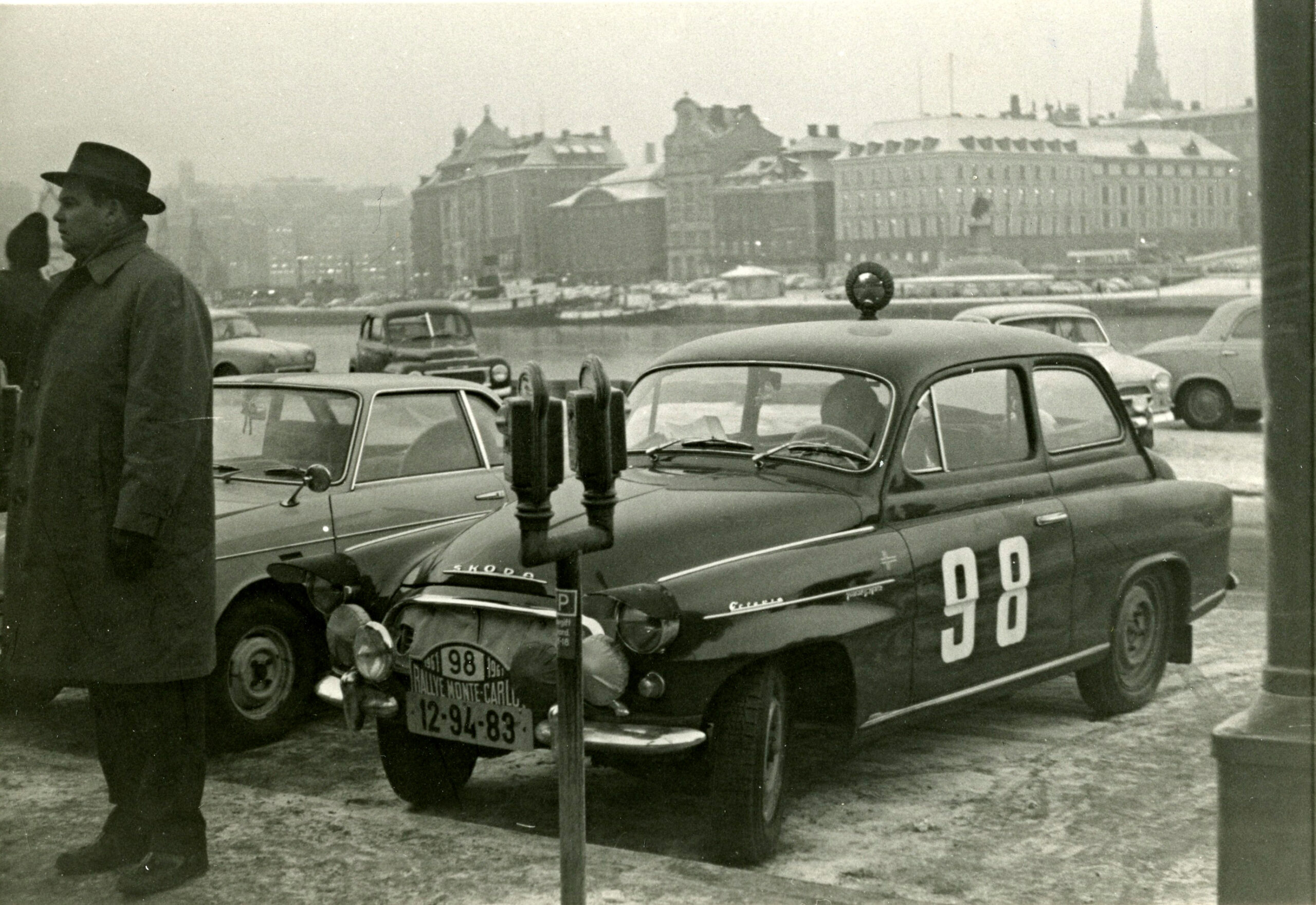
It quickly became clear that the Škoda 440 was perfectly suited to motorsport. Not only did it offer an excellent power-to-weight ratio, but it was also renowned for its durability and handling characteristics. Its international sporting debut came at the Alpine Rally towards the end of spring in the year of its launch. In the years that followed, the ambitions of rally drivers aligned with the goals of the Czechoslovak government, which sought to promote the country’s products in key export markets.
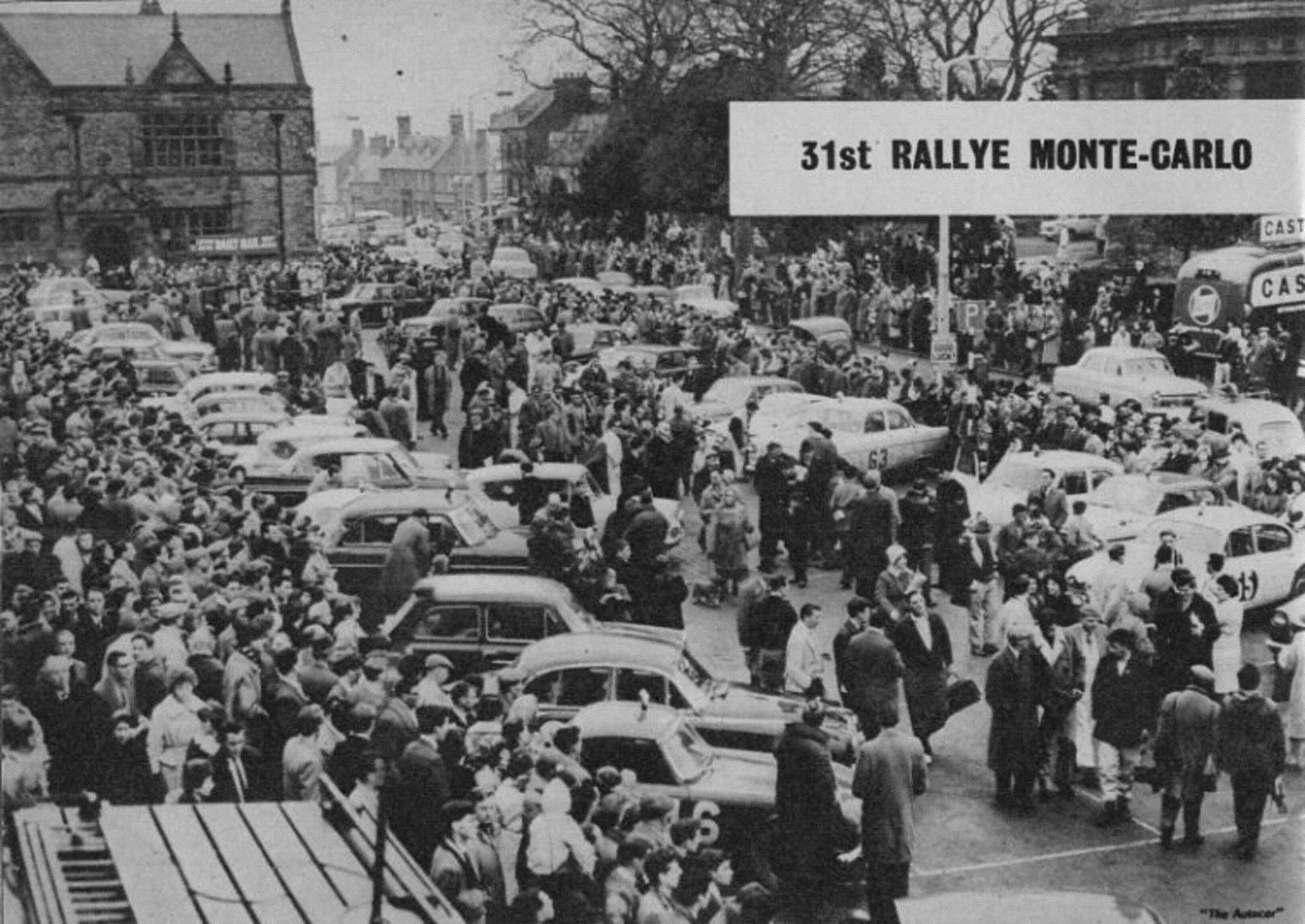
As a result, the Škoda 440 and its upgraded successor, the Octavia, crossed the finish lines of numerous prestigious rallies throughout Europe. It was not long before cars from Mladá Boleslav once again appeared on the starting list of the famous Rallye Monte-Carlo star-shaped Concentration Run. In 1956, three Czechoslovak crews entered the event, joined by several international competitors behind the wheel of Škoda cars.
One interesting story emerged at the end of the rally. In the driving skills competition, which attracted around one hundred entrants and did not count towards the overall standings, Miroslav Fousek finished 14th in his Škoda 440. The result was particularly impressive considering that the top positions were occupied by vastly more powerful “iron stars” from the Western, including the six-cylinder Mercedes-Benz 300 SL. Despite its modest 1.1-litre engine, the Škoda was not far behind them at all.
The Octavia: A racing legend
The Škoda Octavia Touring Sport (TS) was produced in two engine configurations, each offering a different power output. Compared to the standard Octavia, the original 1,089 cc version featured twin Jikov 32 SOPb downdraught carburettors. The engine received a redesigned intake manifold, while piston deflectors increased the compression ratio to 8.4:1. These modifications boosted output to 50 horsepower. A facelift of the production model in 1961 introduced the Super version, powered by an enlarged 1,221 cc engine. The competition derivative, known as the TS 1200, produced 55 horsepower. Skilled customers and tuners, however, were capable of extracting close to 100 horsepower from the engine.
Impressive Results
When young Finnish privateer Esko Keinänen was deciding which car to campaign in the 1960 season, he chose the attractive contender from behind the Iron Curtain. Having spent the previous two years competing in a Peugeot, he was ready for the next step. By then, the Škoda 440 had already established an impressive competition record, including success on the Scandinavian peninsula, and with the new Octavia TS prepared for action, Keinänen knew exactly what he was getting into.
His decision proved to be the right one. Together with new co-driver Rainer Eklund, he finished his very first rally in third place, and the pair rarely missed the podium for the remainder of the season. At the beginning of the following year came a real bombshell dropped. The 1961 Rallye Monte-Carlo featured no Czechoslovakian crews on the starting grid, yet Škoda was still represented, with one of the cars being driven by the well-coordinated duo of Keinänen and Eklund.
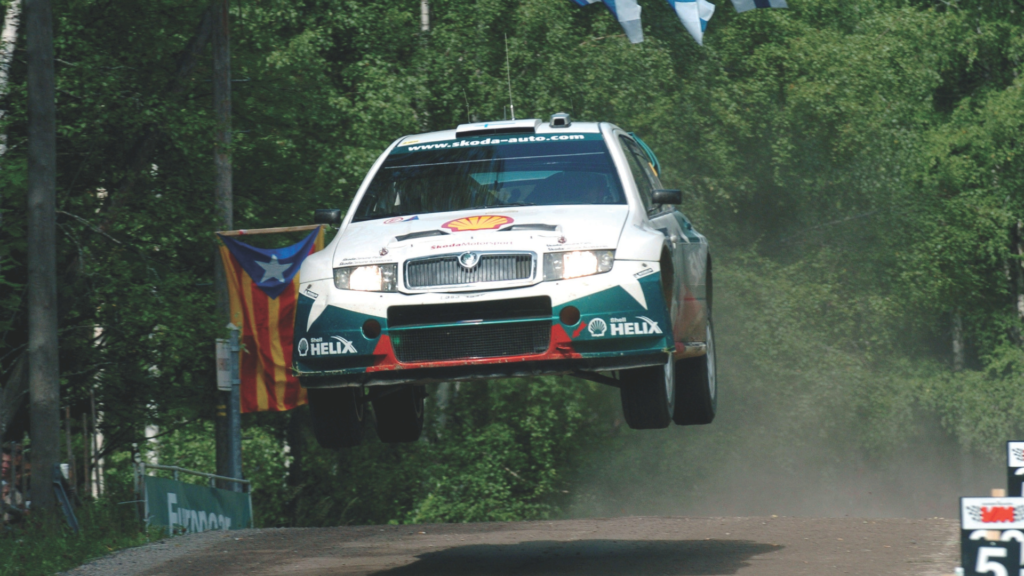
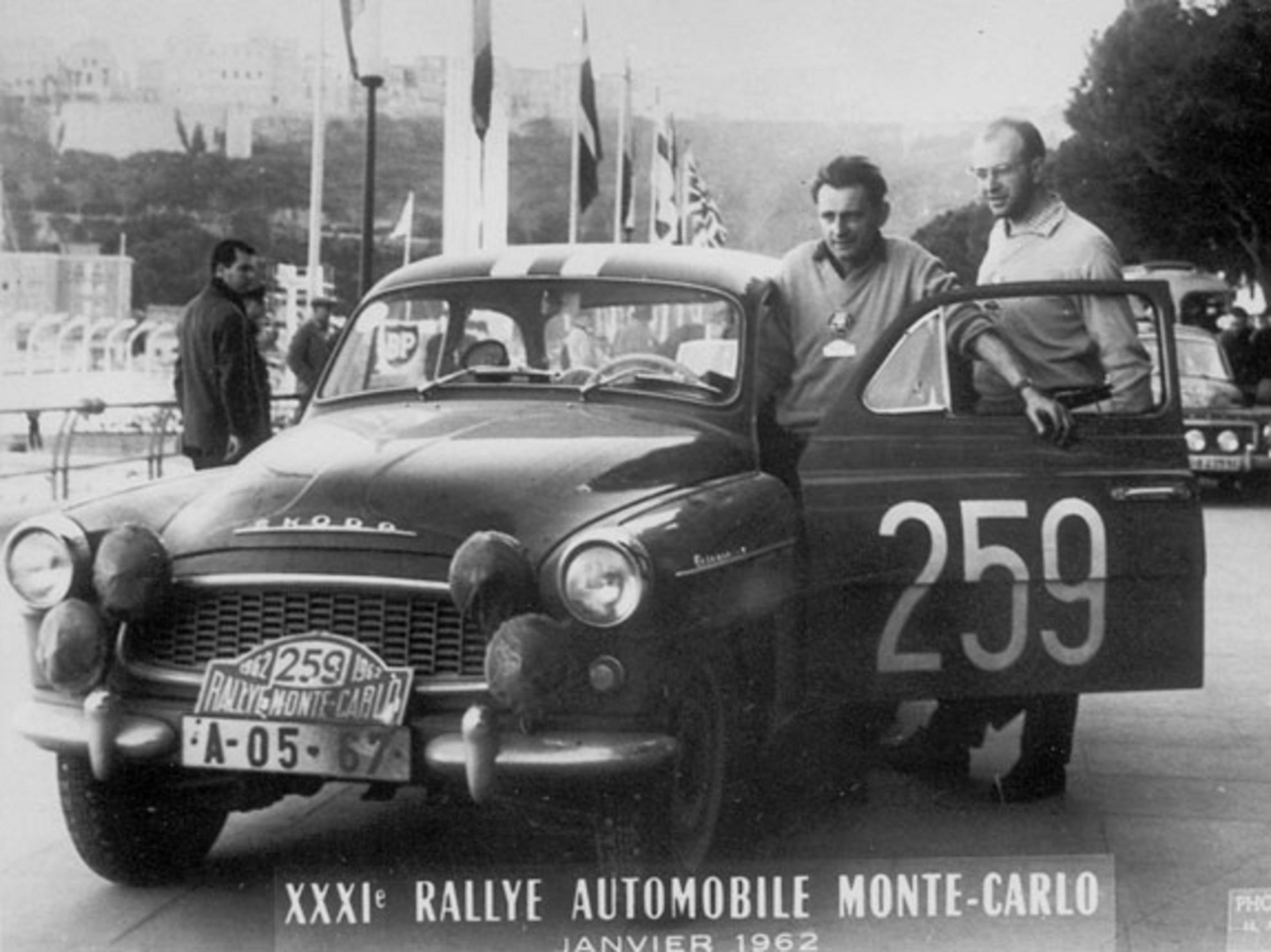
In the 30th edition of the prestigious event, the Finnish duo secured victory in their class and an outstanding sixth place overall. This remained the best overall Rallye Monte-Carlo result for a car bearing the winged arrow emblem until Armin Schwarz surpassed it in 2001 by finishing fourth overall. Interestingly, he achieved the feat in another Octavia—although this time it was the modern generation introduced in 1996 and developed for the top-level WRC class.
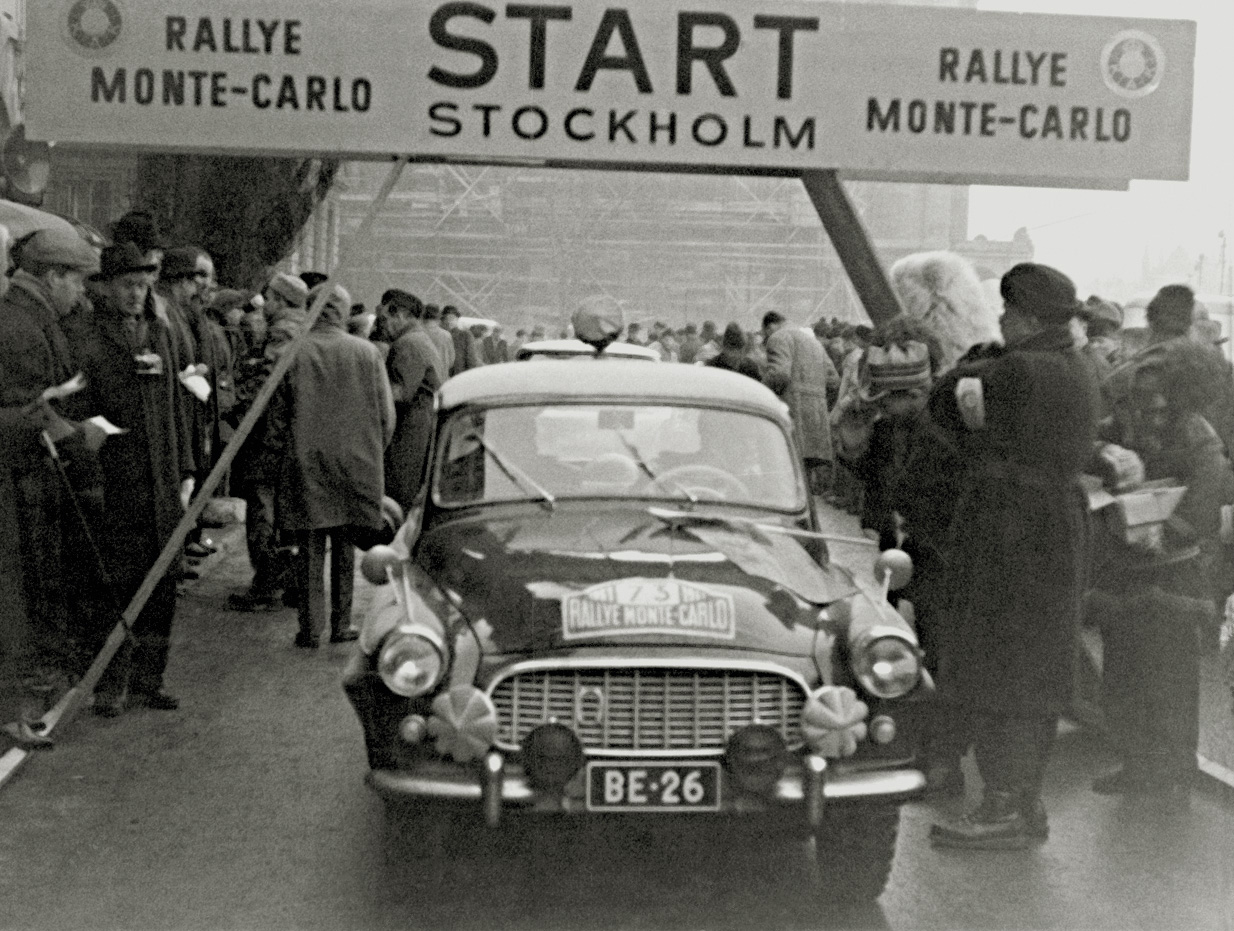
The Finnish crew continued to demonstrate their speed at the Rally of the Thousand Lakes, where they finished third overall. And for anyone still inclined to dismiss their achievements as mere good fortune, Keinänen and Eklund returned to Monte Carlo the following year in their Škoda. Once again, they won their class. Later that season, they achieved an outstanding second place overall at the Rally of the Thousand Lakes, finishing ahead of competitors driving cars from brands like Saab, Volkswagen and Porsche.
Škoda’s third consecutive class victory at the famous Rallye Monte-Carlo came in 1963, courtesy of the Norwegian crew Edward Gjolberg and Carl Karlan, once again driving an Octavia TS 1200.
Thanks to courageous drivers and talented engineers, we can today celebrate 125 years of motorsport success across every historical era of the Mladá Boleslav manufacturer. Together, they achieved results capable of breaking through the Iron Curtain itself. Passionate competitors from the heart of Europe always found a way to make their presence felt on the world stage—and sometimes, that journey even leads to a world championship title.