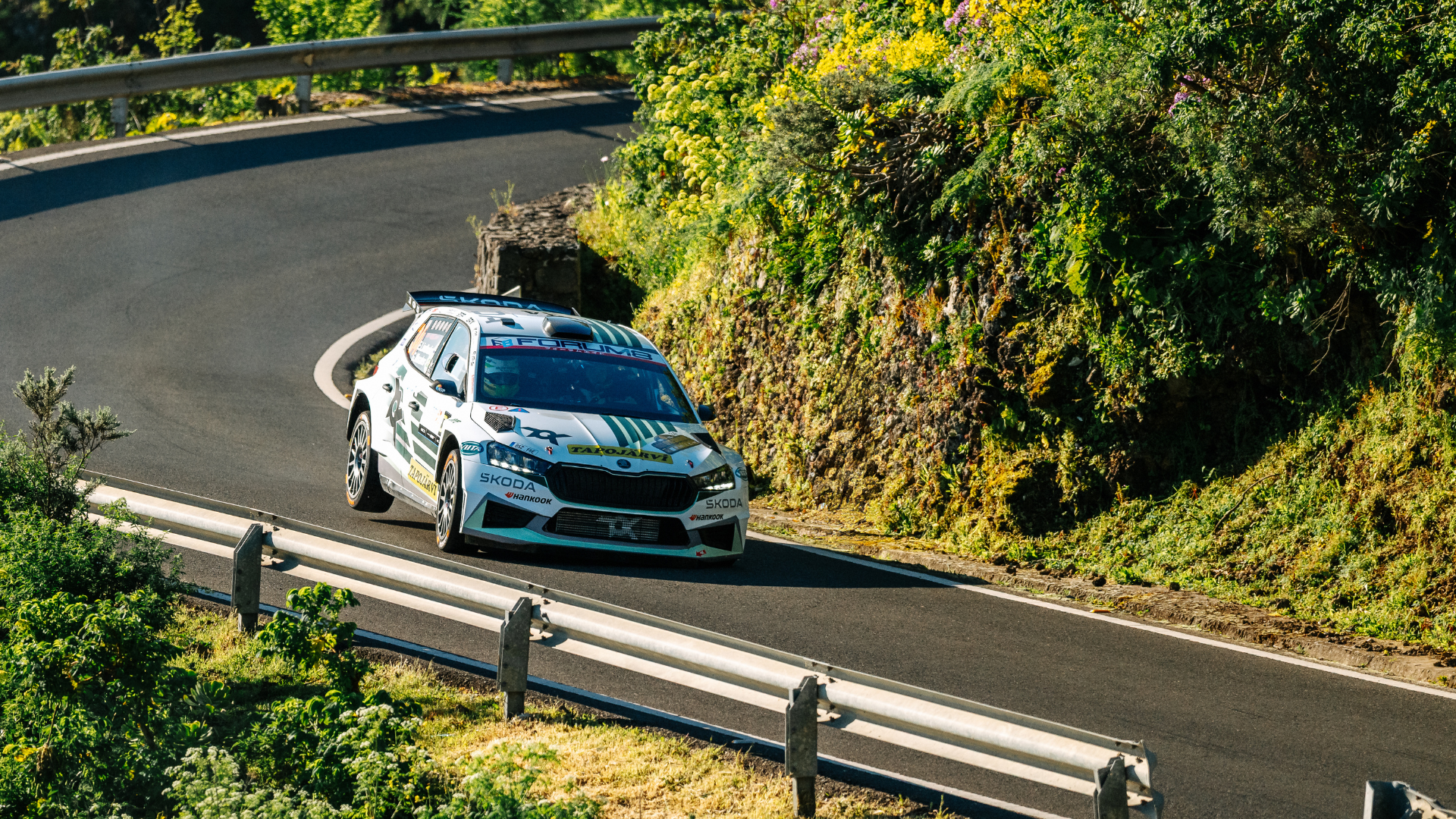
Tarmac is one of the two most common surfaces used for rally special stages. To a layperson, a car is easier to drive on tarmac than on gravel, which is specific to rallying. But even on tarmac, the driver has to adopt a slightly different approach than, say, on a standard racing circuit. Emil Lindholm explains what this approach involves.
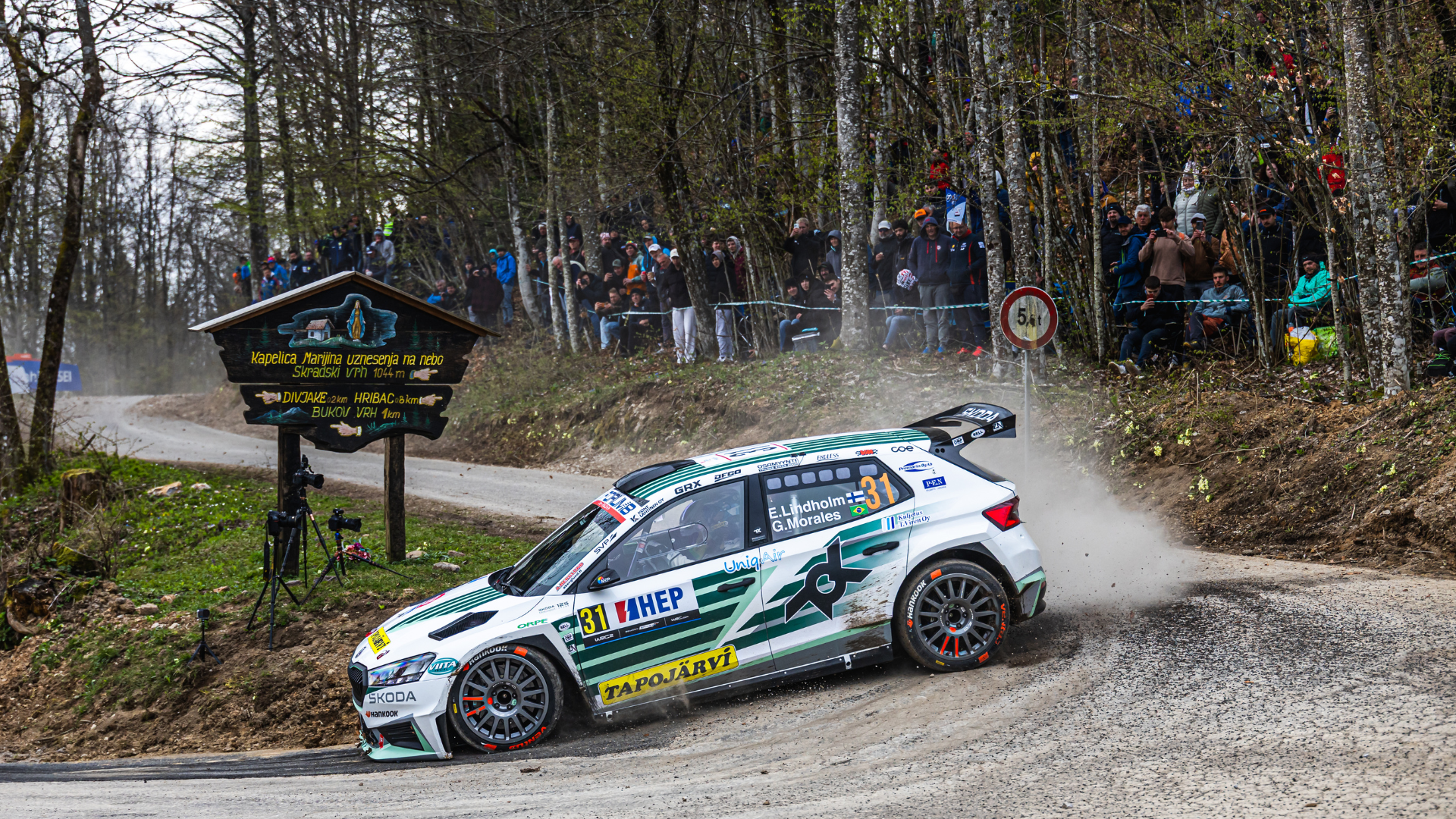
A World Champion has to be fast on both of the traditional rally surfaces, gravel and tarmac. Emil Lindholm demonstrated this clearly in the 2022 season, when he became WRC2 World Champion. The Finnish driver not only won gravel rallies in Finland and Greece, but also took podium finishes on tarmac, in Croatia and Japan, where he secured his title.
Although tarmac is a fast surface, rallying still means that the driver has to take changing conditions into account. According to Lindholm, three things are crucial for speed on this surface. “The first one is, of course, the racing line,” he says, pointing out that every driver, in an effort to achieve the best possible time, tries to use every centimetre of the width of the road. “This is how we gain and maintain speed,” he explains.
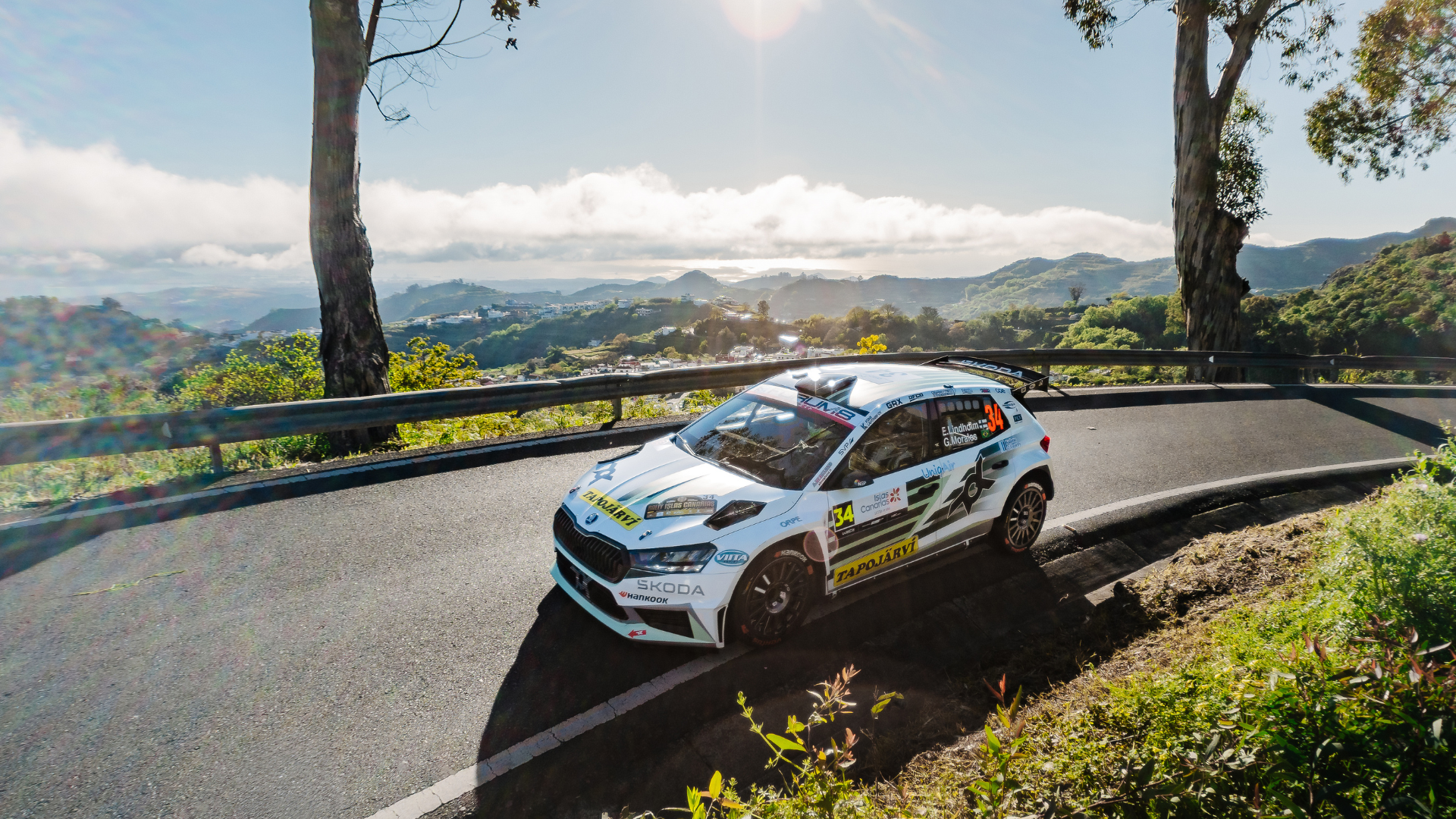
Another crucial factor is tyre temperature. The tyres need to be kept within the optimal temperature range. “When you push too little, you never get them up to the right temperature and you keep sliding. When you push too hard, you overheat the tyres,” Emil Lindholm says, adding that the tyres require a great deal of attention and concentration from the driver.
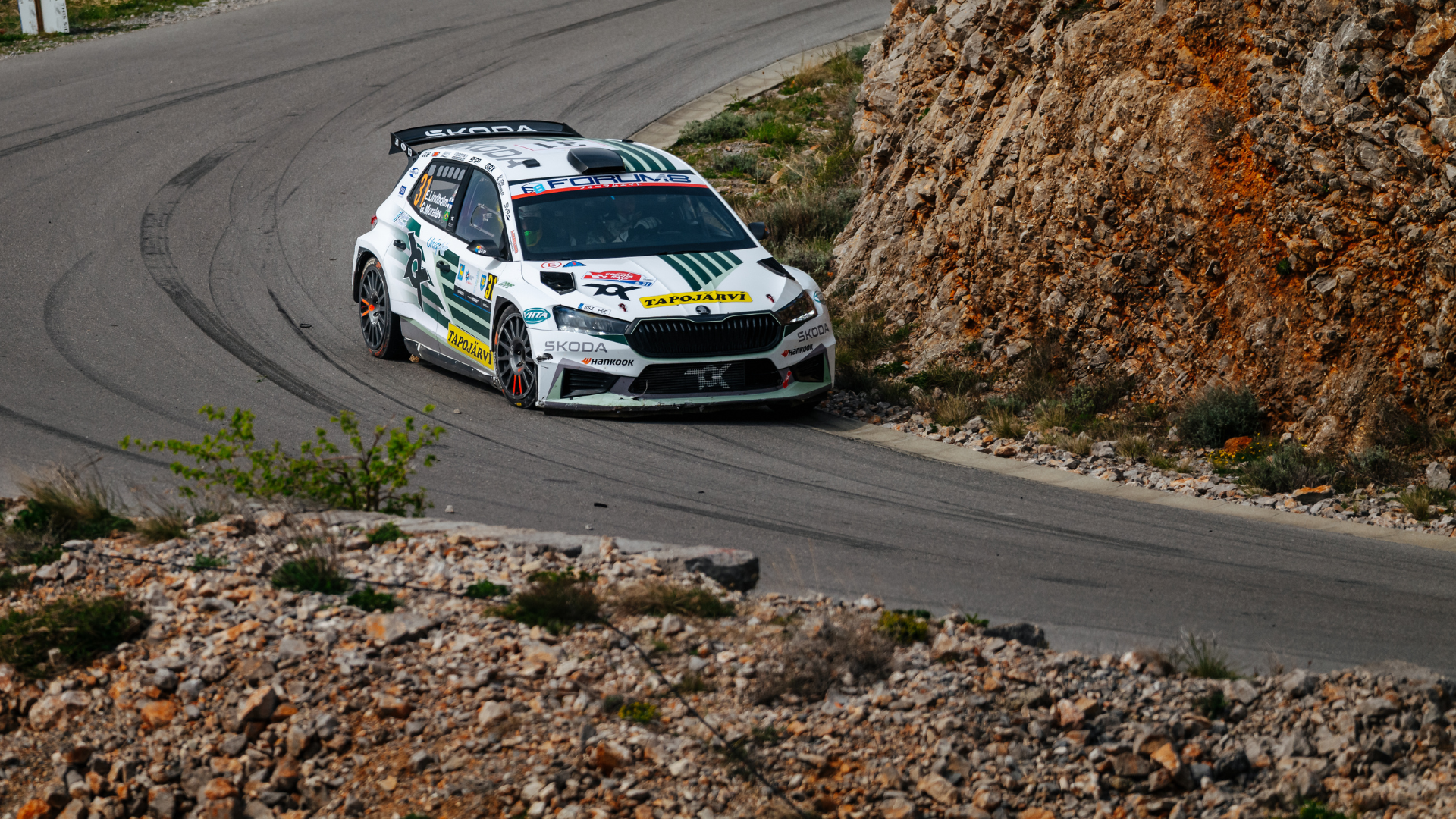
According to the 2022 champion, what then adds to the unpredictability is the third key factor affecting how the driver handles the car during a special stage: dirt on the road. “On rallies such as Croatia, for example, we have relatively narrow roads with dirt at the sides. The drivers always cut the inside of the corner, which throws some dirt onto the road, and this is something that constantly affects the road surface and completely changes the driving style,” says Lindholm. According to him, it is possible to be fast in such conditions only at the cost of truly enormous effort.
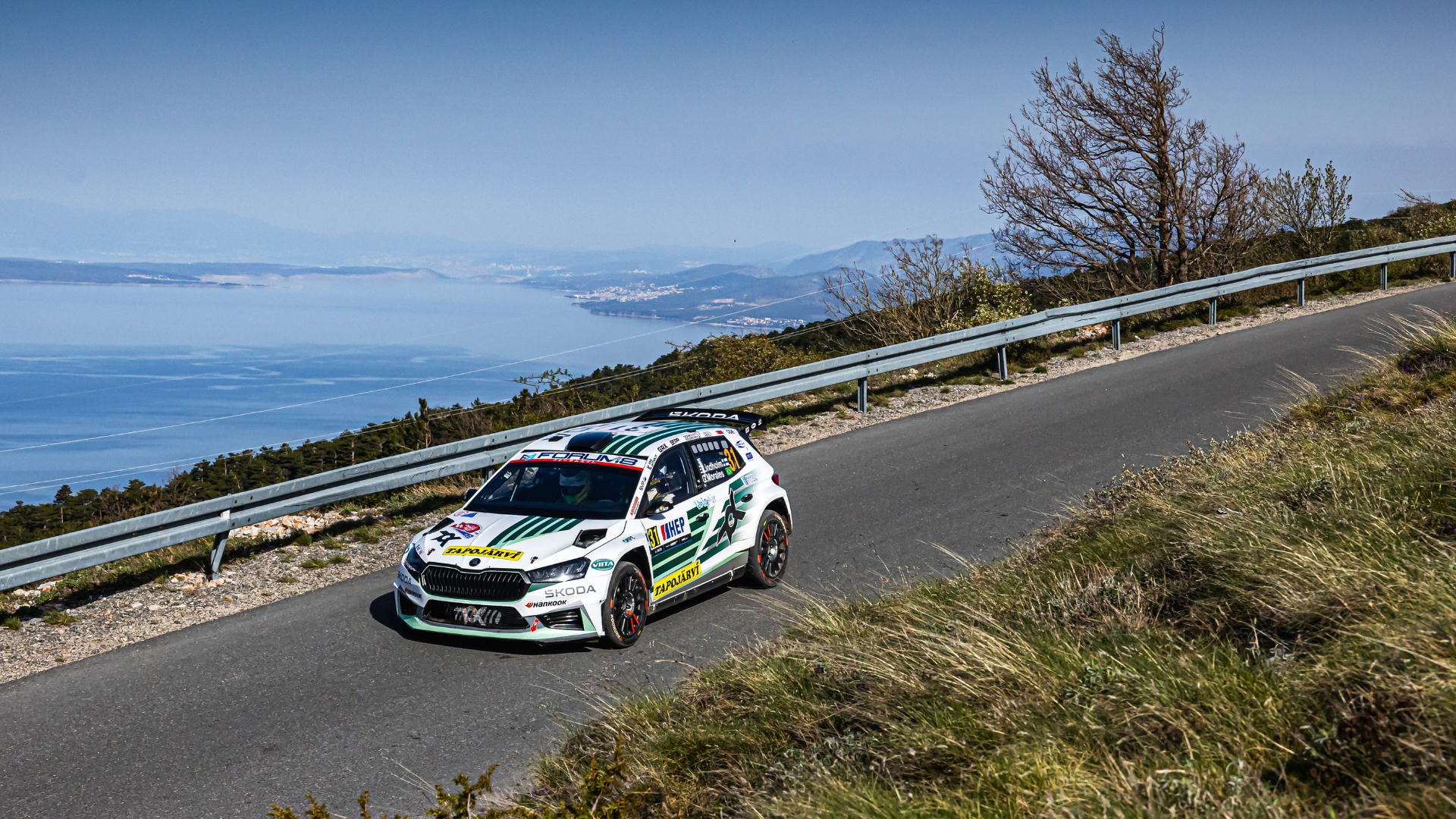
Tarmac therefore does not produce such a “sliding” driving style as gravel, but drivers still have to constantly take a certain degree of unpredictability into account. They can only be fast by making maximum use of the characteristics of their rally car as well as the inherent speed of the surface itself.