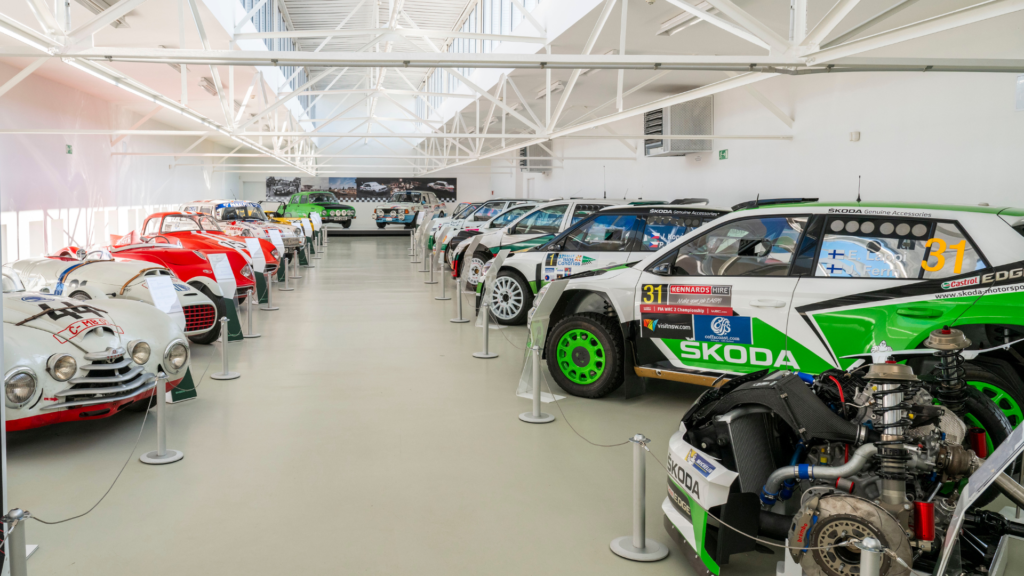
Škoda Motorsport is celebrating its 125th anniversary, and we are taking a look back at the major milestones of this long and rich history. Last time, we moved from two wheels to four and recalled the first automotive success achieved by Václav Klement himself. Today, we head to the world’s most famous rally – Rallye Monte-Carlo.
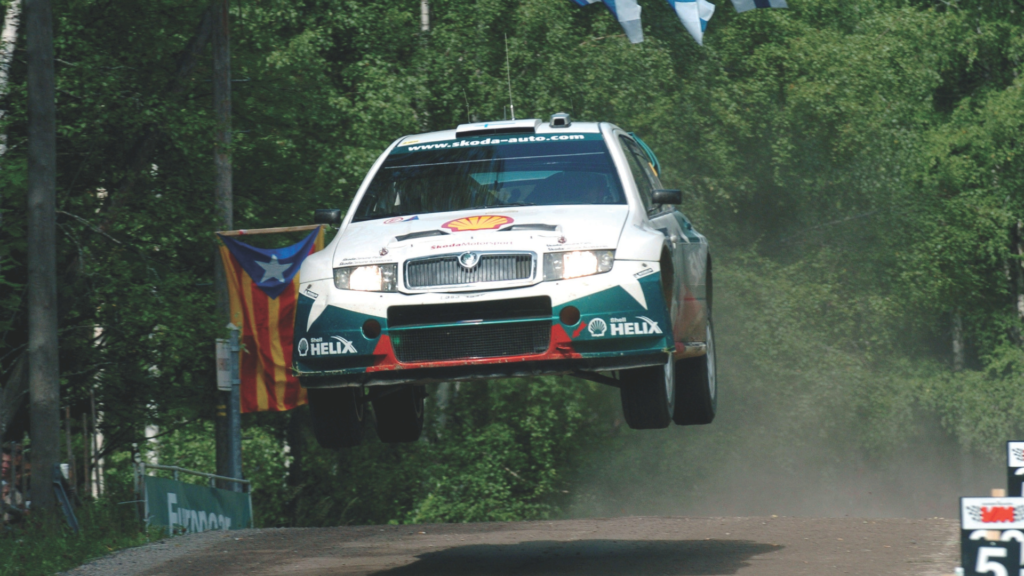
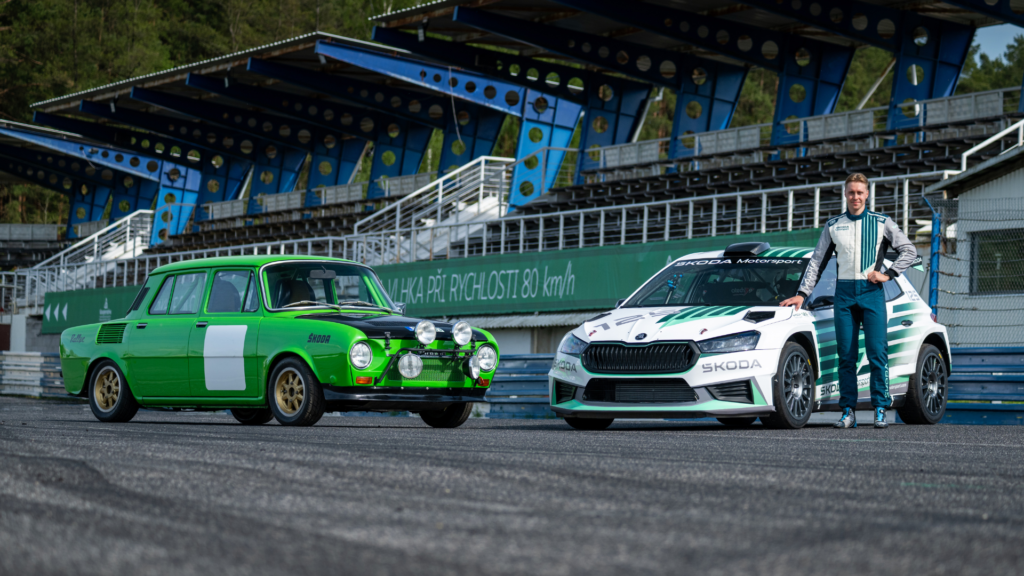
Today, the Monte Carlo badge adorns several Škoda production models, adding a sportier flair to them. Some may assume that the Monte Carlo designation refers to the phenomenal success achieved in 1977, when Václav Blahna won his class at the event driving a Škoda 130 RS. This achievement was later followed by successful performances from the Škoda Fabia S2000, Škoda Fabia Rally2 and Škoda Fabia Rally2 evo rally cars. However, the shared history of Škoda Motorsport and Rallye Monte-Carlo goes much deeper.
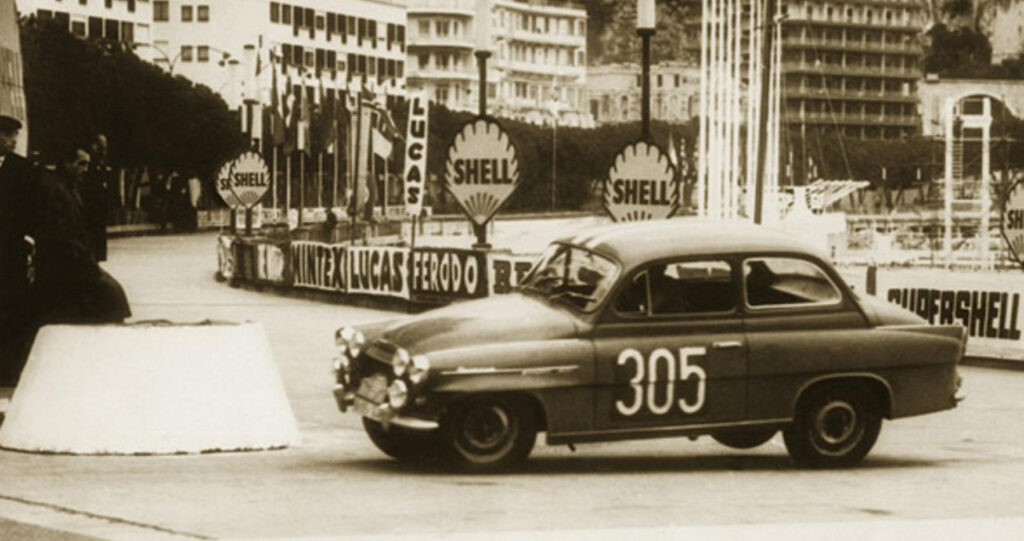
The narrow roads carved into the cliffs above the Principality of Monaco have been writing motorsport history since 1911. Over more than a century, this event has established itself as one of the most demanding competitions on the calendar, and every competitor dreams of winning here. A car from Mladá Boleslav made its appearance as early as the second edition. Count Alexander Kolowrat-Krakowsky of Vienna finished 30th out of the 35 crews that reached the finish in an open-top Laurin & Klement.
However, we didn’t begin writing our full-fledged racing history here until 1936. In those days, Rallye Monte-Carlo was not run in the format we know today, but as a so-called “concentration run”. The destination was the same, but the starting points differed. Competitors set off for Monte Carlo from locations such as Frankfurt, Paris or Athens and the drive to the finish resulted in creating a star-shaped pattern across the map. All crews had to arrive at the common finish within the same time window. Since they started from different distances, the organisers calculated precise starting times. Those departing from Athens or Oslo, for example, had to start earlier than those leaving from Paris.
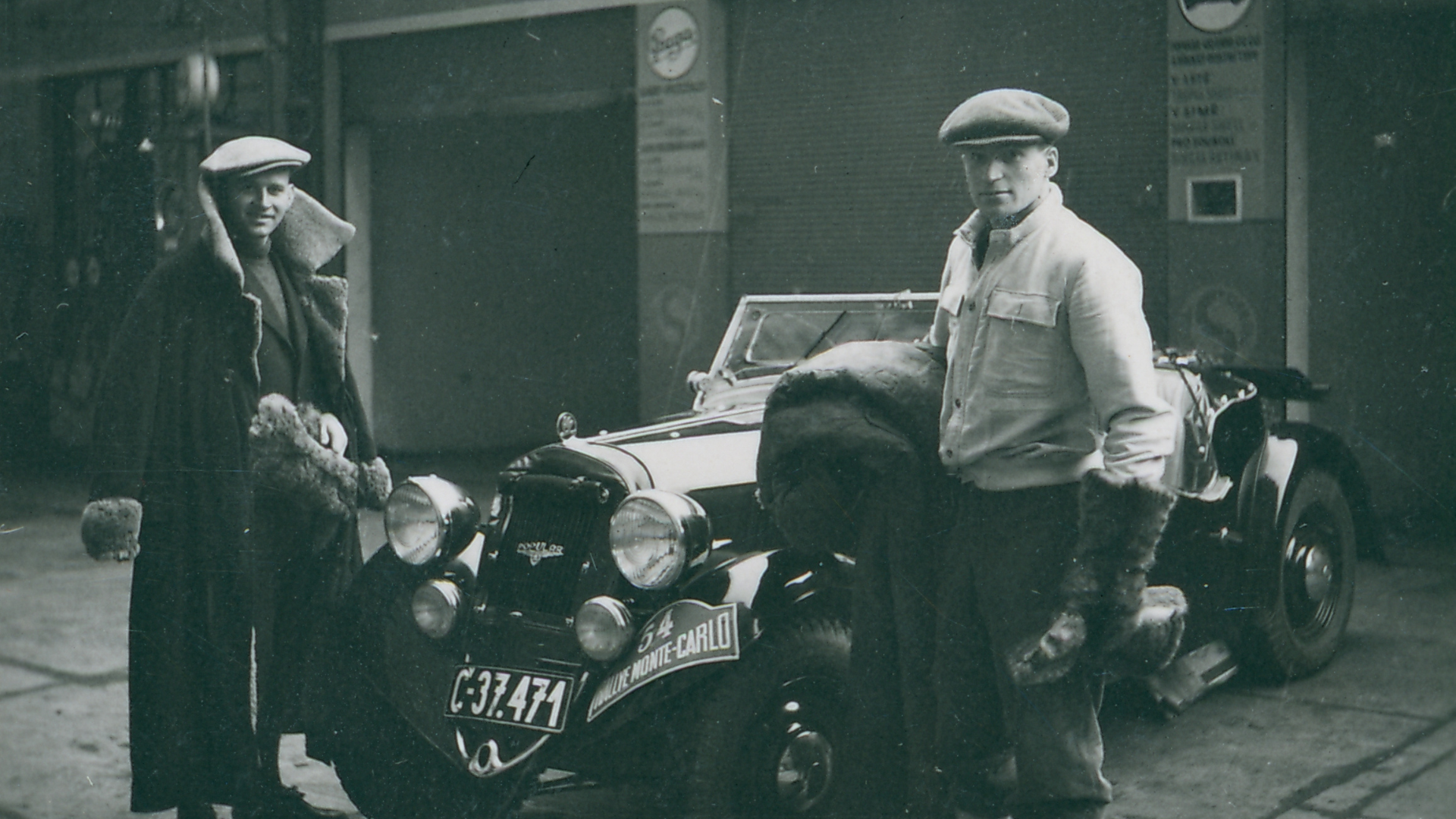
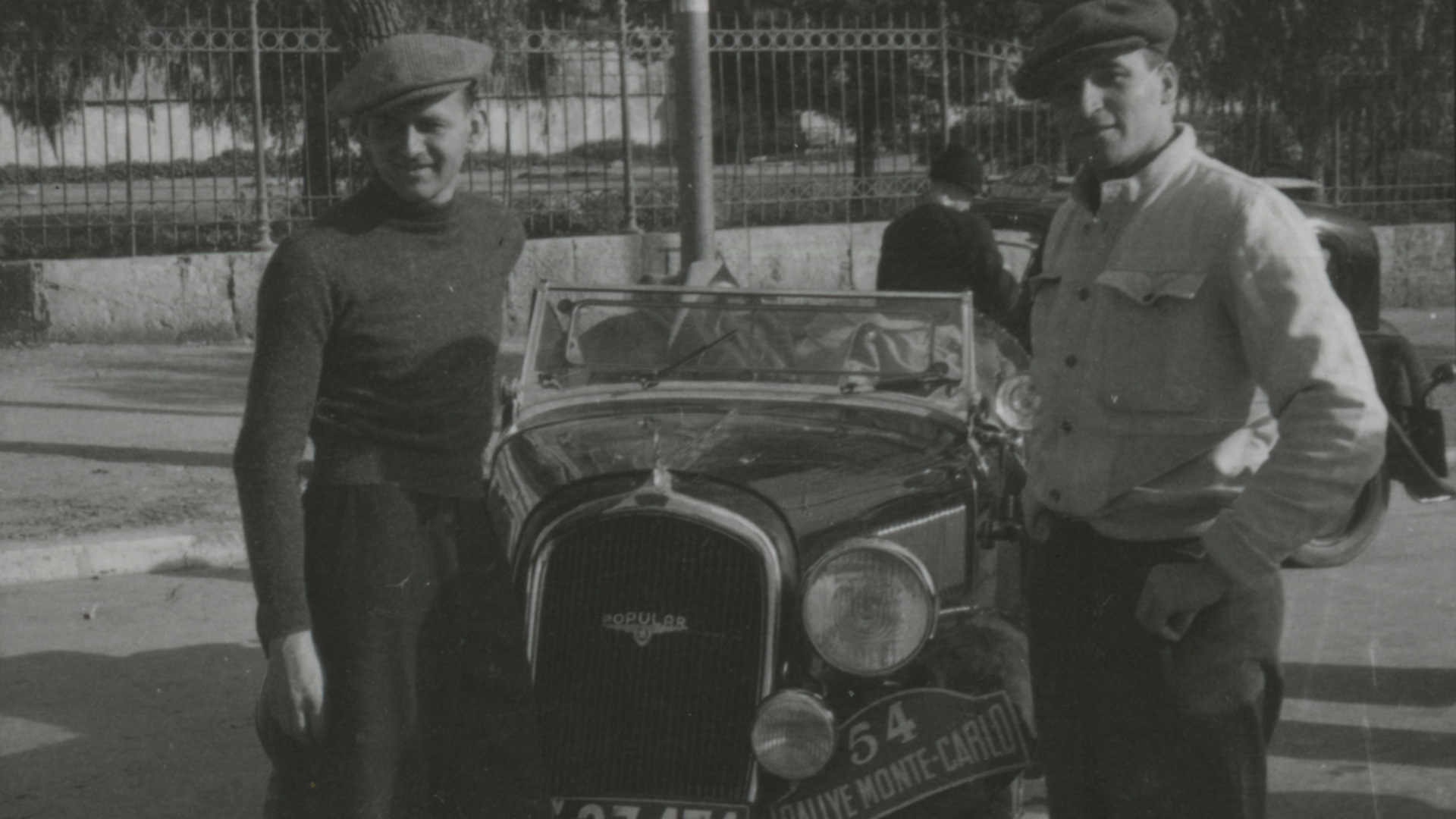
For the 1936 edition, Škoda prepared a special Popular Sport roadster fitted with a more powerful 1,386 cm³ engine from the Rapid model in place of the standard unit. The car therefore competed in the category for engines up to 1,500 cm³. The experienced crew of Zdeněk Pohl and Jaroslav Hausman prepared for the demanding winter rally in the Krkonoše Mountains. They wore warm racing leather overalls, while their car was equipped with Baťa tyres featuring an off-road tread pattern.
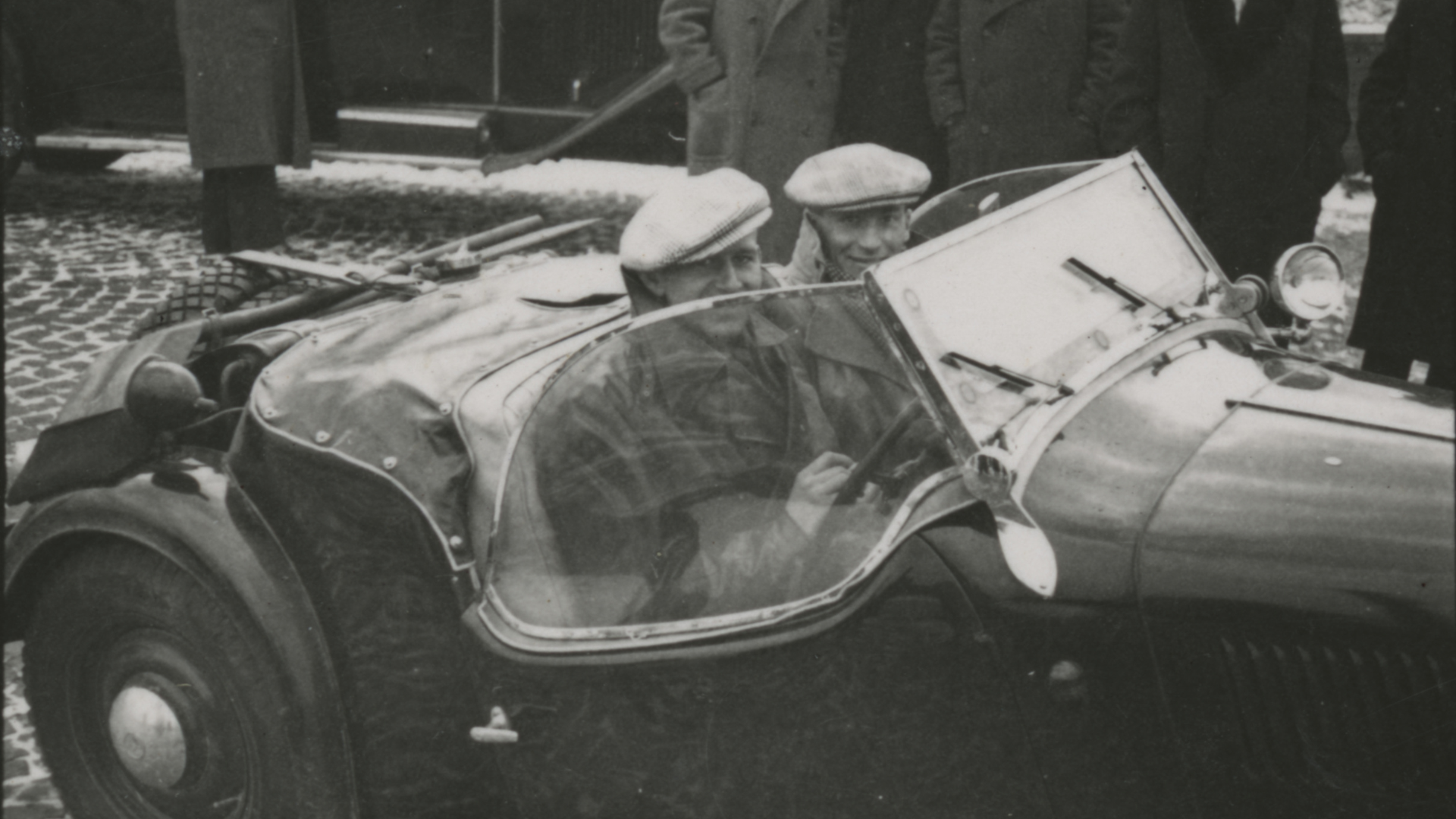
The crew set off for Monte Carlo from Athens, which was the most demanding route, spanning 3,868 kilometers. Detailed itineraries led the crews from Athens through the cities of Belgrade, Budapest, Vienna, Munich, and Strasbourg. Was it demanding? You bet! Zdeněk Pohl, for example, recalled: “I saw strange things along the way; once a horse was backing up toward us at full speed, and another time I desperately swerved to avoid a massive elephant. No, there was nothing on the road—they were merely hallucinations during my fourth sleepless night. The engine hummed softly, lulling me to sleep, and there was thick fog.”
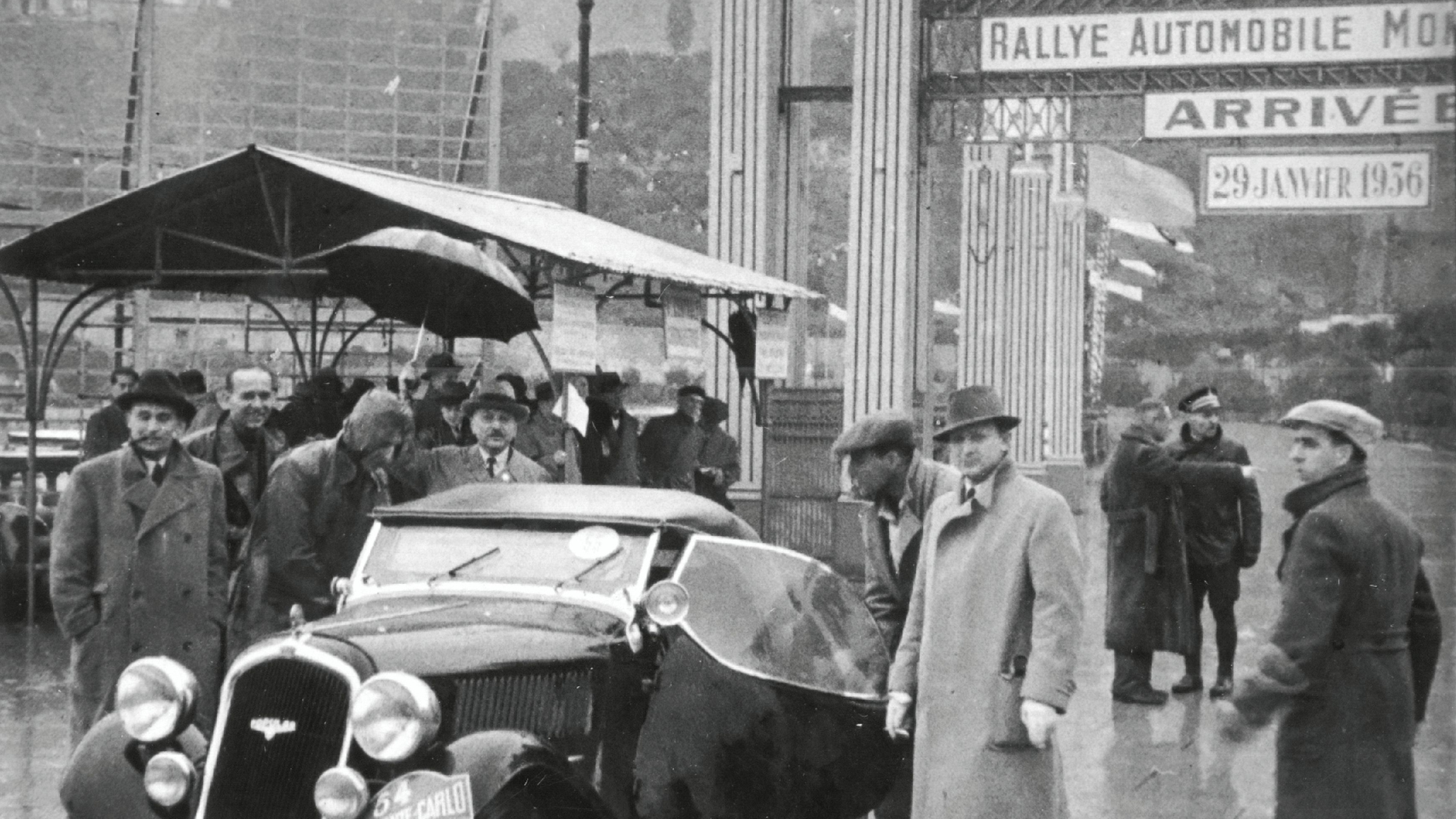
The Athens route had not been chosen by chance. From the perspective of potential points, it offered the greatest reward. The crew arrived at every checkpoint on time and both they and their Škoda remained in perfect condition throughout the rally. In front of the Princely Grandstand, they completed their remarkable performance by finishing this demanding event without receiving a single penalty point.
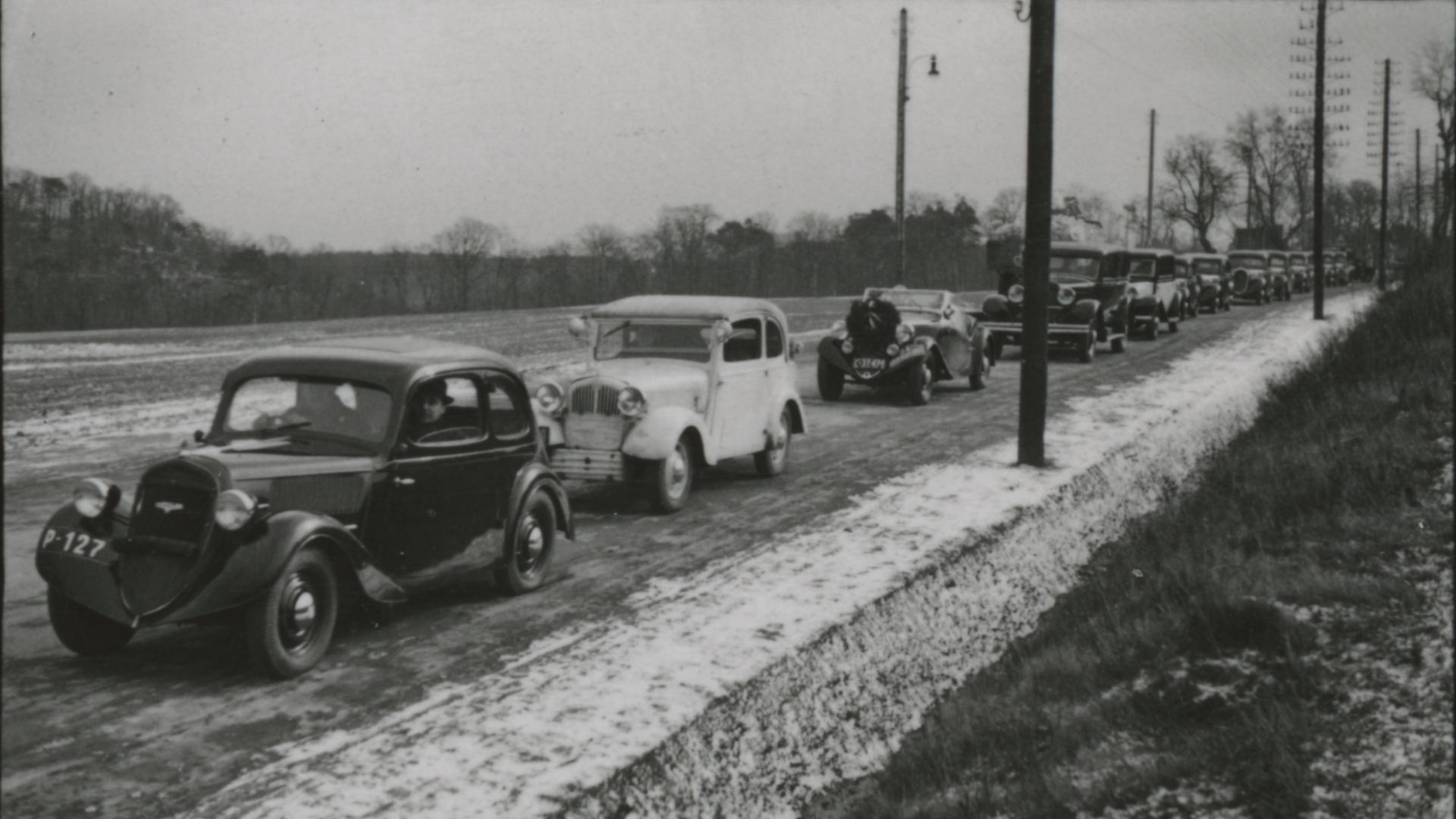
The final result was decided by a driving test held on the Monte Carlo waterfront. The challenge assessed acceleration, braking and driver skill. Every second counted, as each one represented a point. In the category for cars up to 1,500 cm³, a Hungarian crew recorded the fastest time in this stage, securing overall victory with 630.9 points. Zdeněk Pohl and Jaroslav Hausman were five seconds slower and finished second overall in the category with 625.9 points. The fantastic result quickly spread across Czechoslovakia, where there was much to celebrate. It also served as another reminder to competitors that fast and reliable cars, driven by determined crews, were being built in Mladá Boleslav.
The beauty who became an icon
The Škoda Popular Sport was powered by a four-cylinder engine producing 34 horsepower. When pushed to its maximum, the sports car, weighing just under one tonne, could reach a top speed of approximately 110 km/h. Two fuel tanks with a combined capacity of 170 litres provided a driving range of around 1,500 kilometres. Auxiliary hot-air heating and thermos flask holders helped keep the crew comfortable during winter conditions. The success achieved at Rallye Monte-Carlo inspired Škoda to create a limited series of sport-tuned road cars. The first Škoda Popular Monte Carlo roadster was delivered to a customer as early as July 1936.