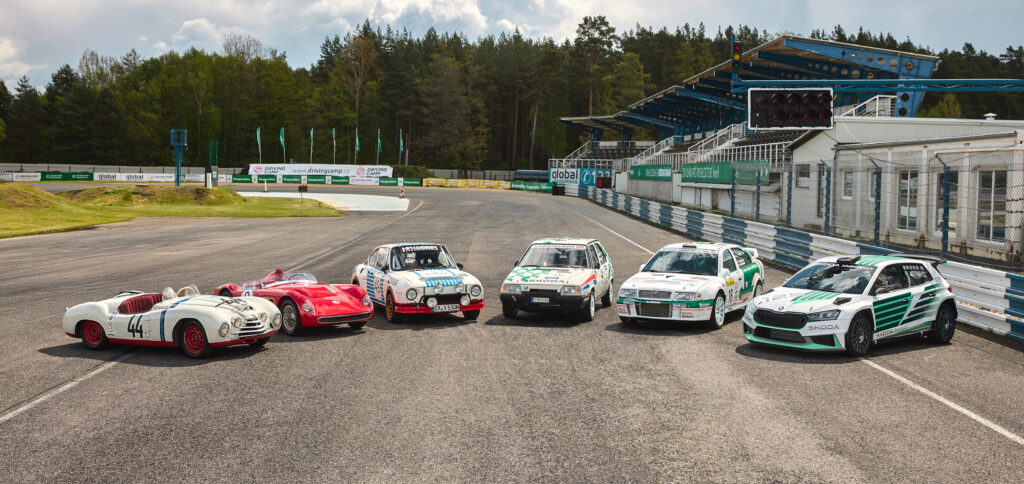
As Škoda Motorsport celebrates its 125th anniversary, we are recalling the major milestones of this long and rich history. Last time, we concluded our journey still on two wheels. Today, we finally venture into the world of automobiles, where the brand’s first success was achieved by one of the founders himself.
The transition from two wheels to four represented not only a visionary step for Laurin & Klement, but also a rather courageous one. In their early days, automobiles certainly did not enjoy universal admiration; some sceptics, who still firmly believed in horse-drawn transport, regarded them as monstrous and unnecessary contraptions. Even so, Europe was already home to a number of automobile manufacturers at the time, although production was still largely artisanal and counted in only a handful of units. The automobile remained an experiment that first had to prove its worth.
In Mladá Boleslav, the possibilities of motorised transport on four wheels began to be explored relatively early on, with a vehicle resembling an automobile already appearing in period materials as early as 1901. The idea continued to evolve, and development progressed further until, in April 1905, a V-twin engine producing 6 horsepower for a forthcoming automobile was presented at Prague’s Industrial Palace. During the final quarter of the same year, newspapers introduced readers to the first Laurin & Klement automobile, the Voiturette A.
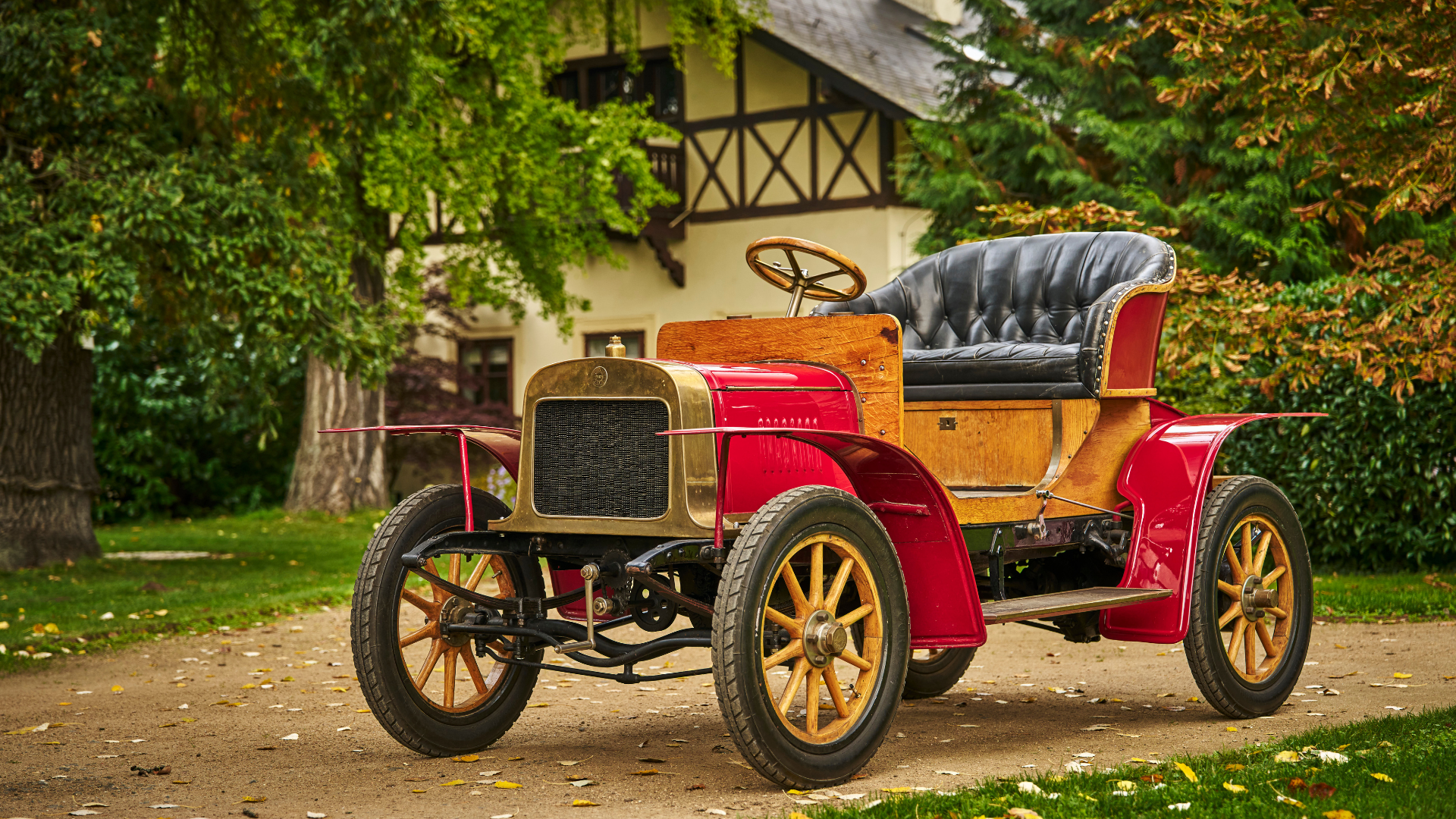
In 1906, the car received official approval for road use, thus launching automobile production that continues to this day. Václav Laurin and Václav Klement needed to bring their new product closer to ordinary people. They had to demonstrate that the cars were fast and capable of enduring demanding conditions. Fortunately, thanks to their experience gained through bicycles and motorcycles, together with their skilled technicians and racers, they already knew the ropes. Their first race was therefore not far away.
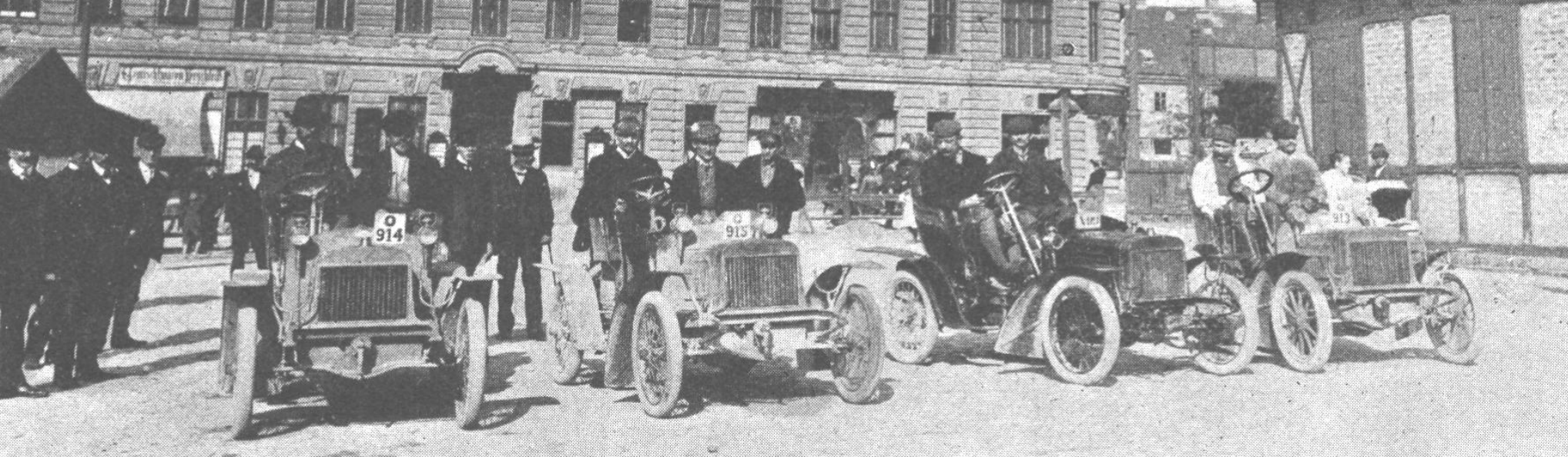
From Saturday 12 May to Sunday 13 May 1906, four drivers from Mladá Boleslav lined up at the start of an international endurance trial organised by the Austrian Automobile Club. At the time, such events were extremely popular, demonstrating the durability of new products while also providing manufacturers with valuable feedback. Their promotional value was equally apparent. These competitions were not about outright speed, but about consistency and regularity. Competitors had to maintain an average speed determined according to the number of engine cylinders: 22 km/h for single-cylinder engines and 27 km/h for twin-cylinder engines. For every minute under or over the target time calculated from the average speed, drivers received 10 penalty points at the finish line.
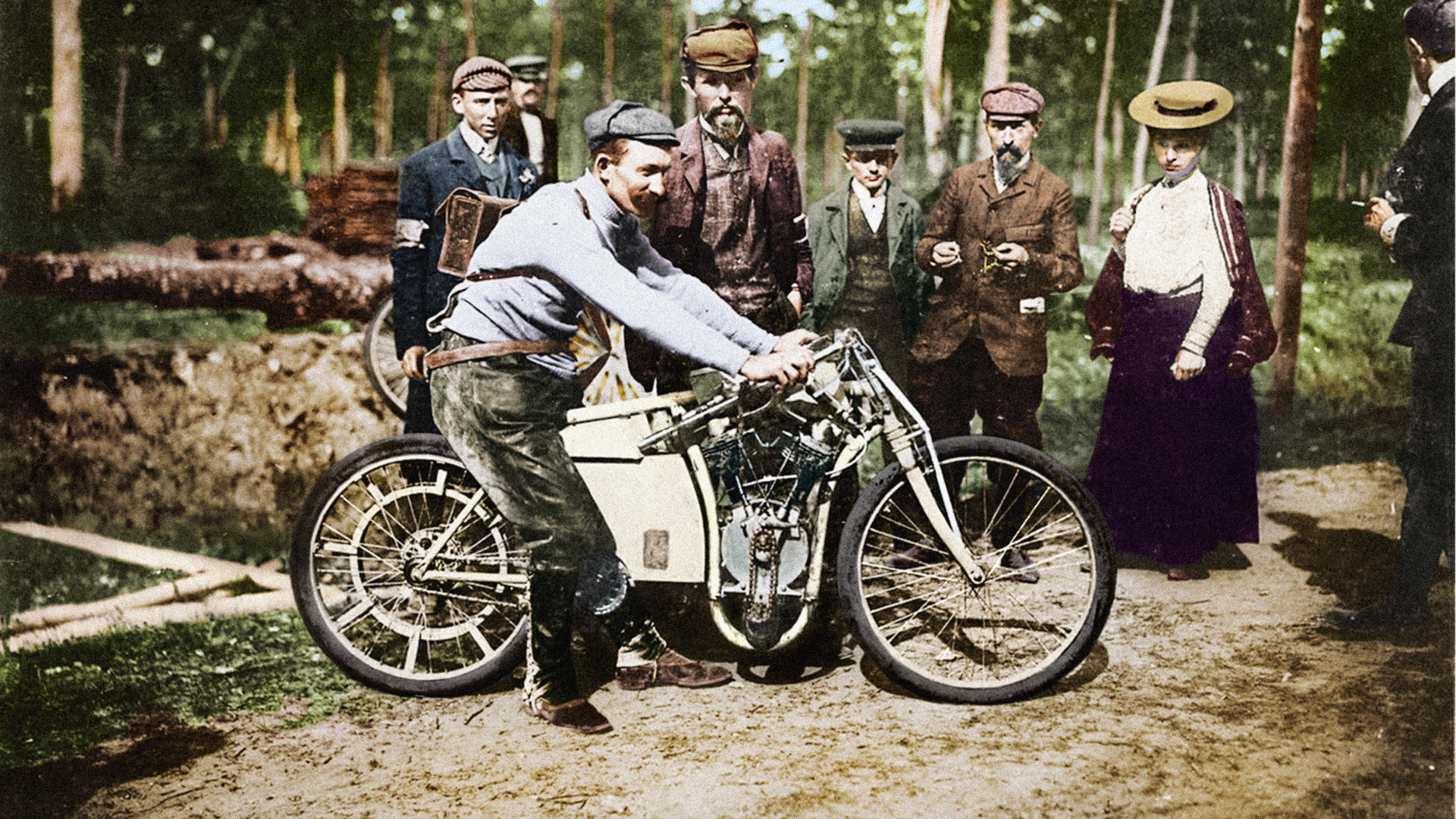
These and similar events helped shape the dawn of the automobile itself, and the team from Mladá Boleslav was part of that development. One of the entered cars was driven by Václav Klement himself. The other drivers were Karl Kollarz, head of the L&K branch in Vienna, experienced motorcycle racer Václav Vondřich, and designer Karl Slevogt. Each of them took the wheel of the upgraded Voiturette B model, which at that point had been unveiled only a month earlier.
The competitors faced two stages: Saturday’s route from Vienna to Graz and Sunday’s return to Vienna. Along the way, they also had to tackle more demanding terrain, including the Semmering mountain pass. In total, the route measured 410 kilometres, mostly on dusty roads and cobblestones. The pioneers of motoring began lining up at the start line at around five o’clock in the morning, with Václav Klement keeping his fellow competitors close as they set off to make history.
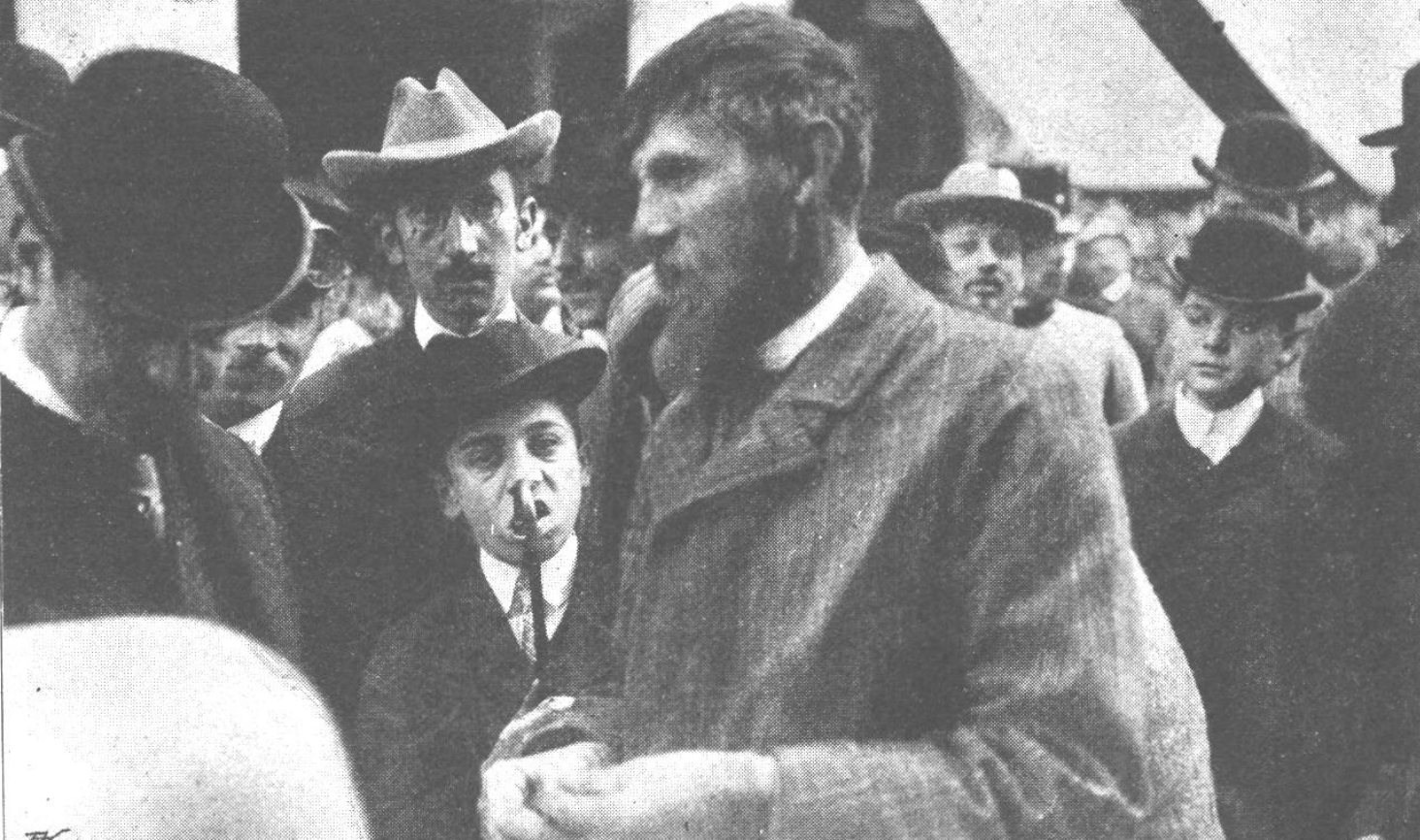
The only driver who failed to complete the opening stage was “The Travelling Blacksmith” Václav Vondřich, who had an accident. Kollarz, Slevogt and Klement, however, completed the stage successfully and moved their cars from the finish area to a nearby garage so that no repairs could be carried out on them. The following morning, the trio headed towards the final destination of the event on roads washed clean by overnight rain, although storm clouds were also beginning to gather.
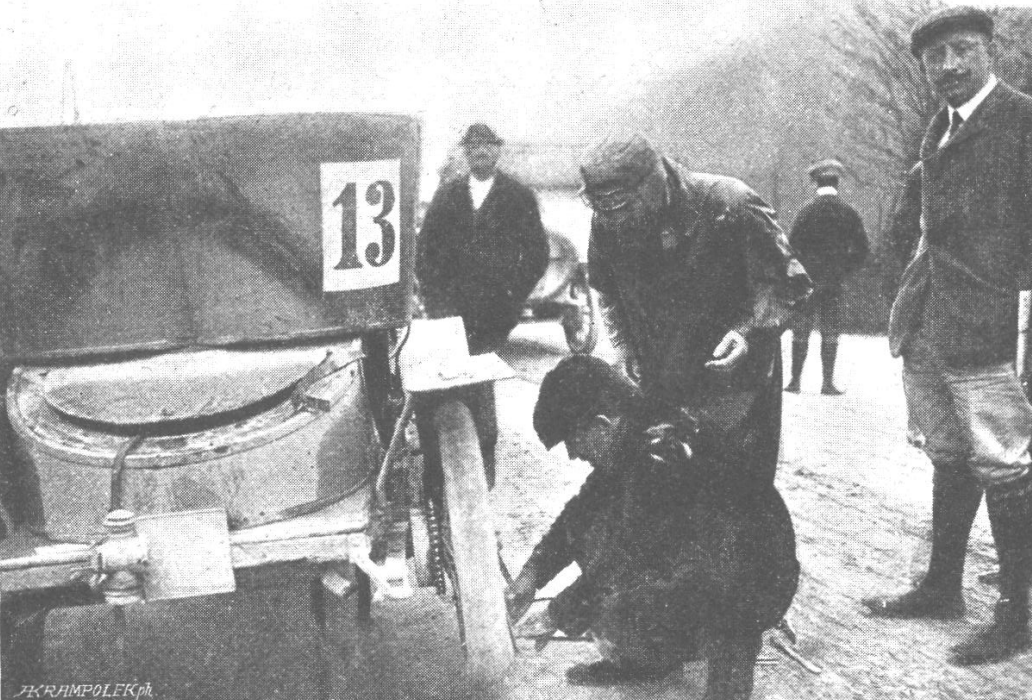
For Václav Klement, however, the approaching storm proved to be the least of his problems, as he was forced to repair a punctured tyre while crossing the mountain pass. Despite everything, he eventually reached the finish, where a crowd of supporters and distinguished representatives of automobile clubs awaited him. In spite of the setbacks, Václav Klement secured third place in his class with 130 penalty points. Slevogt finished sixth in the category, while Kollarz claimed eighth.